
Youth work plays a crucial role in the development and well-being of young people. It encompasses a range of activities, programs, and support systems designed to meet the unique needs of adolescents and empower them to become active, engaged, and confident members of society. In this blog post, we will explore what youth work is, delve into its aims, and discuss the numerous benefits it offers to young people.
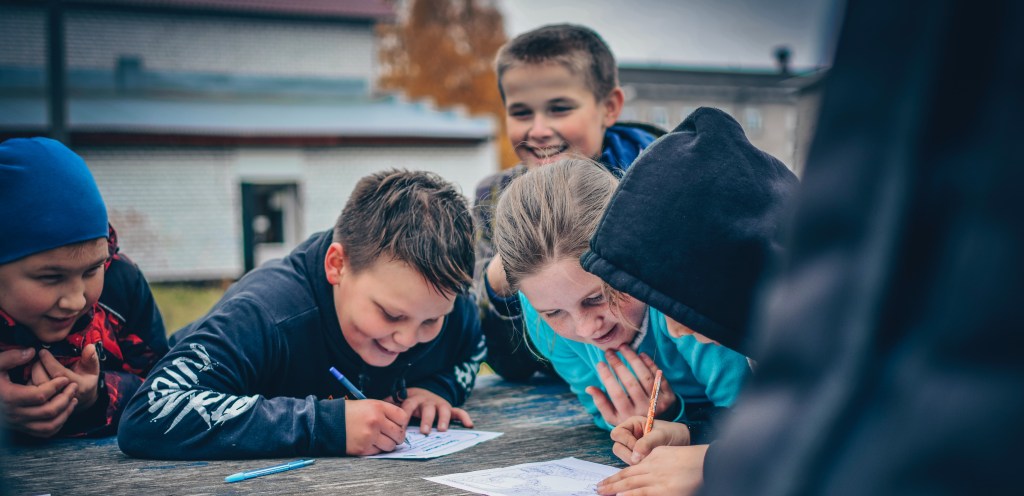
- Chapter 1 – What is youth work?
- Chapter 2 – Youth Work: Who is it for?
- Chapter 3 – The Aims and Goals of Youth Work
- Chapter 4 – The Benefits of Youth Work
- Conclusion
Chapter 1 – What is youth work?
Youth work refers to a broad range of intentional activities and interventions that are carried out by trained professionals or volunteers. The activities offer an informal education to support young people’s personal, social, and educational development, often including skills not taught in the classroom. Effective youth work involves creating safe spaces where young individuals can voluntarily participate, learn, and grow in a supportive and inclusive environment.
Youth work often takes place at;
- Community centres
- Schools
- Youth clubs
- Faith groups
- Online
- Outreach programs.
Youth work may look like;
- Sport and hobby clubs for example, a school photography club or community boxing group.
- Uniformed organisations such as Scouts, Guides, and the Boys’ and Girl’s Brigade.
- Targeted support which is often directed towards marginalised or disadvantaged young people. Examples include a young carers group, group for autistic teenagers, and a social group for young asylum seekers.
- Mentoring young people one-on-one or in small groups. The mentoring may focus upon a specific skill or enabling a young person to form a healthy, professional relationship with a supportive adult figure.
Chapter 2 – Youth Work: Who is it for?
Who?
Youth work is specifically targeted towards young individuals, typically teenagers, but may include pre-teens as young as 10 and young adults as old as 25 years old. This stage of life is known as adolescence and early adulthood, where young people undergo significant physical, emotional, and social changes. Youth work recognises the unique needs, challenges, and aspirations of this age group, aiming to support and empower them during this critical period.
Why?
Why is youth work targeted towards young people? Adolescence is a time of transition and exploration, where young individuals are forming their identities, building relationships, and making important life choices. However, it can also be a time of uncertainty, peer pressure, and challenges. Youth work steps in to provide guidance, opportunities, and a supportive environment for young people to navigate these crucial years.
By targeting young people, youth work recognizes their potential as active contributors to society. It empowers them to become responsible citizens, capable of making positive changes in their communities. Through participation in youth work activities, young individuals develop valuable skills, broaden their perspectives, and gain a sense of purpose and agency. Youth work benefits young people by acknowledging their unique needs and aims to support them during a crucial stage of life.
Chapter 3 – The Aims and Goals of Youth Work
Personal Development
Youth work aims to foster personal growth by helping young people develop self-confidence, self-esteem, and resilience. Through various activities and programs, youth workers encourage self-expression, individuality, and a sense of identity, empowering young individuals to navigate life challenges effectively.
Social Development
Youth work focuses on enhancing social skills, promoting positive relationships, and encouraging active citizenship among young people. It aims to build a sense of community and belonging, fostering empathy, teamwork, and respect for diversity. By engaging in group activities and community initiatives, young individuals learn to communicate, cooperate, and contribute positively to society.
Education and Learning
Youth work recognizes the importance of education beyond formal schooling. It aims to provide informal and non-formal learning opportunities that supplement young people’s academic knowledge. These activities might include workshops, vocational training, mentoring, or skill-building programs that equip young individuals with practical life skills, boosting their employability and overall development.
Health and Well-being
Youth work prioritizes the physical, mental, and emotional well-being of young people. It aims to promote healthy lifestyles, tackle issues such as substance abuse, mental health challenges, and risky behaviours. By providing access to information, counselling, and support services, youth work contributes to the holistic well-being of young individuals, helping them make informed decisions and maintain a healthy lifestyle.
Chapter 4 – The Benefits of Youth Work
Empowerment
Youth work empowers young individuals by offering them a voice, encouraging their active participation, and involving them in decision-making processes. This involvement instills a sense of ownership, responsibility, and agency, enabling young people to shape their own lives and contribute meaningfully to their communities.
Personal and Social Skills Development
Youth work fosters the development of a wide range of skills, including communication, leadership, problem-solving, and teamwork. These skills are transferable and valuable in various aspects of life, including education, employment, and personal relationships. Through experiential learning and practical activities, youth work equips young people with the tools needed for success.
Increased Resilience
Youth work provides a supportive and nurturing environment that helps young individuals develop resilience. By facing challenges, overcoming obstacles, and learning from failures, young people become more resilient and better equipped to handle adversity in their lives. This resilience empowers them to bounce back, persevere, and grow stronger in the face of future challenges.
Social Inclusion and Empathy
Youth work promotes inclusivity, ensuring that young people from all backgrounds and circumstances are welcomed and supported. By fostering empathy and understanding, youth work encourages young individuals to appreciate diversity, challenge stereotypes, and develop a sense of social justice. This cultivates a more inclusive and harmonious society for everyone.
Conclusion
Youth work plays a vital role in supporting the holistic development of young individuals. By focusing on personal growth, social development, education, and well-being, youth work helps young people become confident, empowered, and engaged citizens. Its benefits, including personal and social skills development, increased resilience, and social inclusion, have a profound and lasting impact on the lives of young individuals, shaping them into well-rounded and successful members of society.
 The Next Generation Blog