Don’t Panic! Here’s How to Handle Difficult Parents in a Youth Club Effectively

8–11 minutes

Working with youth in a club setting is a rewarding and fulfilling experience, but it comes with its own set of challenges. One of these challenges is dealing with difficult parents. As a youth worker or volunteer, you are not only responsible for the well-being and development of the young participants but also for building positive relationships with their parents or guardians. In this article, we will explore strategies and tips on how to handle difficult parents in a youth club effectively.

Photo by Alex Green from Pexels
  1. Understanding Difficult Parents
  2. Recognizing When a Parent Is Being Difficult
  3. Building Positive Relationships
    1. Building Positive Relationships With Parents: An Example
      1. Step 1: Warm Greeting
      2. Step 2: Show Genuine Interest
      3. Step 3: Active Listening
      4. Step 4: Empathy and Understanding
      5. Step 5: Share Information
      6. Step 6: Encourage Questions
      7. Step 7: Find Common Ground
      8. Step 8: Express Appreciation
      9. Step 9: Follow-Up
  4. Be the Example
  5. Setting Boundaries
  6. Conflict Resolution
  7. Involving Parents Positively
  8. Seeking Supervisory Support
  9. Self-Care for Youth Workers and Volunteers
  10. Conclusion

Understanding Difficult Parents

Before we dive into strategies for dealing with difficult parents, it’s crucial to understand the common traits and behaviours that make a parent challenging to work with. Recognizing these signs early can help you approach the situation with empathy and patience.

  • Overprotectiveness: Some parents may be overly protective of their children, fearing any potential harm or risk. They may constantly question club activities or be resistant to allowing their children to participate in certain activities.
  • Unreasonable Demands: Difficult parents may make unreasonable demands, such as requesting special treatment for their child or expecting the club to accommodate their preferences at the expense of others.
  • Lack of Communication: Poor communication can be a significant issue. Some parents may not respond to emails or phone calls, making it difficult to convey important information or involve them in club activities.
  • Disruptive Behaviour: In extreme cases, difficult parents may display disruptive behaviour during club meetings or events, which can create tension and discomfort for everyone involved.

Recognizing When a Parent Is Being Difficult

Recognizing a difficult parent can be challenging, as it often requires a keen understanding of their motivations and behaviour. Some signs to look out for include:

  • Frequent complaints or negative feedback.
  • Unwillingness to compromise or find common ground.
  • Consistent attempts to undermine club rules or decisions.
  • Repeatedly bringing up unrelated issues during discussions.

Building Positive Relationships

Now that we have a better understanding of what makes a parent difficult, let’s explore strategies for building positive relationships with them.

  • Building Rapport: Building rapport with parents is essential. Take the time to get to know them personally and show genuine interest in their child’s well-being.
  • Effective Communication: Practise active listening when parents express their concerns or opinions. Use empathy and understanding to validate their feelings, even if you disagree. Clear and open communication channels are vital for building trust.

Building Positive Relationships With Parents: An Example

Here’s an example of how you could effectively communicate and build rapport with the parents or guardians of a new youth club member:

Scenario: Imagine you’re a youth worker, and you’ve recently met a parent, Sarah, who is new to the youth club. Her child, Alex, has just joined the club, and she seems a bit reserved and cautious. You want to build rapport with Sarah to create a positive and open line of communication.

Step 1: Warm Greeting

  • When you first meet Sarah, offer a warm and friendly greeting. Smile and make eye contact to convey openness and approachability.

Step 2: Show Genuine Interest

  • Begin the conversation by expressing genuine interest in Sarah and her child Alex. 

Step 3: Active Listening

  • As Sarah shares her thoughts or concerns, practise active listening. Let her speak without interruption and nod to show that you’re engaged in the conversation. For example, if she expresses concerns about her child’s safety, you can respond by acknowledging her concern and reassuring her of some of the safety measures in place.

Step 4: Empathy and Understanding

  • Acknowledge and validate Sarah’s feelings. If she’s worried or hesitant about her child’s participation, respond with empathy and understanding. It’s understandable that a parent might have concerns or reservations about their child encountering new experiences. It’s natural for a parent to want the best for their child. 

Step 5: Share Information

  • Offer information about the youth club’s activities, values, and safety protocols. Introduce Sarah and Alex to the youth club staff and other youth at the session. Transparency can help alleviate some of Sarah’s concerns. 

Step 6: Encourage Questions

  • Encourage Sarah to ask questions or seek clarification. Make it clear that you are available to address any concerns she may have. 

Step 7: Find Common Ground

  • Look for common ground or shared interests. If you discover that you have mutual hobbies or interests, it can help establish a stronger connection. For instance, if you both enjoy hiking, you can say, “I heard you enjoy hiking. That’s fantastic! We often organise outdoor activities that your child might love.”

Step 8: Express Appreciation

  • At the end of the conversation, express your appreciation for Sarah’s involvement and her trust in the youth club. Thank her for taking the time to talk to you and reaffirm that you value her involvement and trust in your youth club.

Step 9: Follow-Up

  • After the initial meeting, consider sending a follow-up email or message to Sarah, thanking her for her time and reiterating your commitment to ensuring Alex’s positive experience in the club. This follow-up demonstrates your dedication to maintaining an open line of communication.

By following these steps and demonstrating empathy, understanding, and a willingness to address concerns, you can build rapport with parents and guardians like Sarah, creating a foundation for a positive and collaborative relationship within your youth club.

Be the Example

Remember that the young people at your youth club will look to you to model appropriate behaviour and follow the club’s policies and rules.

Modelling positive behaviour for youth is crucial because young people often learn by observing and imitating the actions and attitudes of adults in their lives. When adults demonstrate respectful, ethical, and responsible behaviour, they provide a blueprint for young individuals to follow. This modelling not only helps shape their character but also contributes to the development of essential life skills and values. As youth workers, we are adults who serve as role models in our young people’s lives. We can inspire and guide young people towards making positive choices and becoming compassionate members of society. 

Setting Boundaries

Establishing boundaries is a critical aspect of managing difficult parents. Boundaries exist to not only protect the young people who attend your youth club, but also protect you from over-working, stress, and potential harassment. Here’s how you can do it effectively:

  • Club Policies and Rules: Ensure that your youth club has well-defined policies and rules. These guidelines provide a framework for both youth and parents to follow. Where possible, include young people and their parents and guardians in the creation and review of the club’s policies and rules.
  • Communicating Expectations: Clearly communicate club expectations to parents during orientation and throughout their child’s participation. Make sure they understand the rules and consequences for rule violations. Sometimes it can be helpful to provide a concise explanation to ensure parents and guardians understand why the rules and expectations are in place.
  • Consistency: Enforce club rules consistently for all participants. When parents see that rules are applied fairly, it can help reduce conflicts.
  • Addressing Consequences: When a rule violation occurs, calmly and professionally explain the consequences to the parent and child. Be consistent in your approach, and follow through with any agreed-upon consequences.

Conflict Resolution

Conflicts with difficult parents can be challenging but are not insurmountable. Follow these steps to resolve conflicts effectively:

  • Private Meetings: Whenever possible, address issues with parents in private meetings. This approach prevents confrontation in front of youth participants and allows for a more open and constructive discussion. Make sure to keep a record of your meetings and issues discussed. 
  • Mediation and Involvement of a Supervisor: In cases where conflicts persist, consider involving a senior youth worker or supervisor as a mediator. Their neutral perspective can help facilitate resolution. Sometimes, a parent or guardian can benefit from hearing the same information from a different staff member.
  • Conflict Resolution Techniques: Learn and apply conflict resolution techniques, such as active listening, finding common ground, and seeking mutually beneficial solutions.
  • Maintain Professionalism: Always maintain professionalism when dealing with difficult parents. Avoid getting emotionally involved in the conflict, and focus on finding solutions.

Involving Parents Positively

Instead of merely dealing with difficult parents, aim to involve them positively in the youth club’s activities:

  • Volunteer Opportunities: Encourage parents to volunteer in the club. Involving them in club activities can help them feel more connected and invested in their child’s experience. By volunteering, parents and guardians can also gain valuable insight and perspective into the work you do to support their child.
  • Special Events and Projects: Create opportunities for parents to participate in special events or projects. Their contributions can enhance the overall club experience and foster a sense of community.

Seeking Supervisory Support

Recognize when a situation requires higher-level intervention:

  1. Recognizing When to Seek Help: Trust your judgement and recognize when a situation with a difficult parent requires the involvement of a senior youth worker or supervisor. Don’t hesitate to seek their guidance.
  2. Reporting and Documenting Incidents: Keep detailed records of interactions and conflicts with difficult parents. Accurate documentation can be invaluable when seeking supervisory support.
  3. Seeking Guidance: When faced with particularly challenging situations, seek guidance and support from experienced colleagues or supervisors. They may offer insights and strategies to address the issue effectively.

Self-Care for Youth Workers and Volunteers

Dealing with difficult parents can be emotionally taxing. Here are some self-care strategies for maintaining your enthusiasm and well-being:

  • Self-Reflection: Regularly reflect on your interactions and experiences with difficult parents. Identify areas where you can improve your communication and conflict resolution skills.
  • Spot the Warning Signs: Take notice and learn when your body is telling you to seek support and engage in self-care.
  • Self-Care Routines: Develop self-care routines to manage stress and emotional toll. Activities like exercise, meditation, and hobbies can help you recharge.
  • Peer Support and Debriefing: Connect with your fellow youth workers and volunteers to share experiences and seek support. Debriefing sessions can provide a safe space to discuss challenges and find solutions.

Conclusion

Handling difficult parents in a youth club is undoubtedly a challenge, but it’s a challenge that can be managed effectively with patience, empathy, and professionalism. Building positive relationships, setting boundaries, resolving conflicts, involving parents positively, seeking supervisory support, and practising self-care are all essential aspects of this process. Remember that your work as a youth worker or volunteer has a profound impact on the lives of the youth you serve, and by managing difficult parent relationships, you can create a more positive and enriching experience for everyone involved.

7 Best Ways to Find New Scouts (Even if You’re in a Small Town)

5–7 minutes

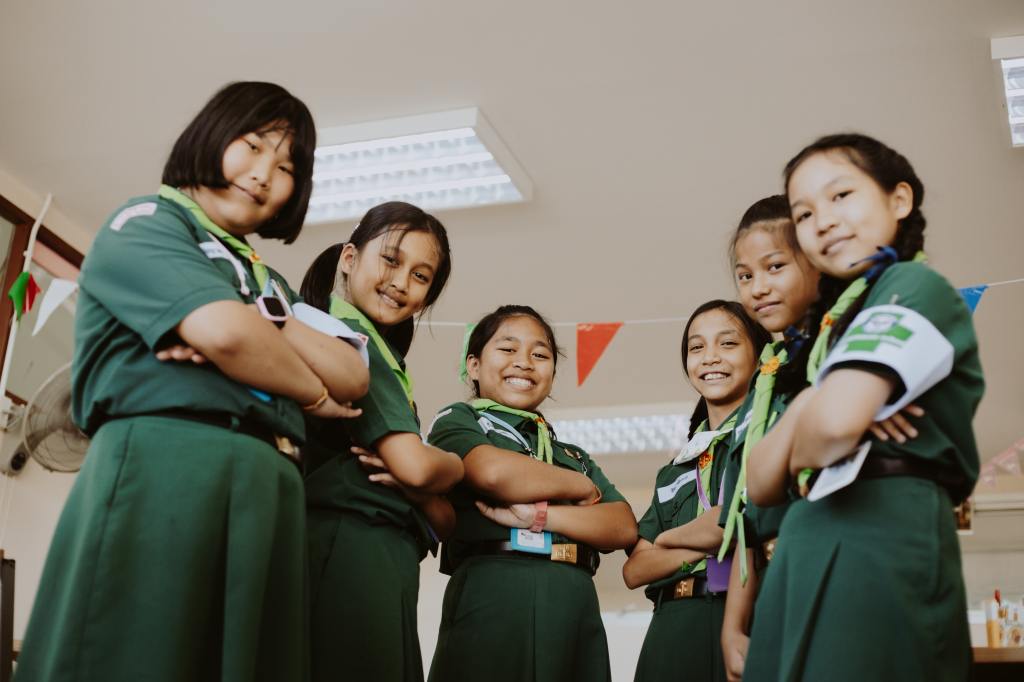
As a dedicated Scout leader, you understand the incredible benefits that Scouting brings to young lives. You’ve seen the transformative power of outdoor adventures, leadership development, and the sense of camaraderie that comes with being a Scout. But in a small town, finding new Scouts can sometimes feel like a daunting task. Fear not! In this article, we’ll explore seven of the best ways to recruit new Scouts and keep your Scouting community thriving, no matter how small your town may be.

Photo by Ron Lach from Pexels
  1. 1 – Know Your Local Community
  2. 2 – Host Open Houses and Information Sessions
  3. 3 – Utilize Online and Social Media
  4. 4 – Collaborate with Local Leaders and Organizations
  5. 5 – Encourage Word of Mouth and Referrals
  6. 6 – Attend Local Events and Fairs
  7. 7 – Offer Trial Scouting Opportunities
  8. Conclusion

1 – Know Your Local Community

Understanding your community is the first step in successful recruitment, especially in a small town. Here’s what you can do:

  • Understand the Demographics: Take the time to research and understand the demographics of your small town. What are the age groups present, and what are their interests and needs? This information will help you tailor your recruitment efforts effectively.
  • Identify Potential Scout Families: Identify families within your community who may be interested in Scouting. These could include families with children of Scout age or parents who value outdoor activities and character development.
  • Build Relationships with Local Schools and Organizations: Reach out to local schools, community centres, and other youth organizations. Collaborate with them to promote Scouting to their students and members. Offer to give presentations at school assemblies or community meetings to showcase the benefits of Scouting.

2 – Host Open Houses and Information Sessions

Open houses and information sessions provide a great opportunity to introduce potential Scouts and their families to the world of Scouting:

  • Create Inviting Events: Plan open houses that are welcoming and informative. Decorate your meeting space with Scout memorabilia, and have current Scouts on hand to share their experiences.
  • Showcase the Benefits of Scouting: During these events, emphasize the life skills, leadership opportunities, and outdoor adventures that Scouting offers. Use stories and anecdotes to illustrate how Scouting positively impacts young lives.
  • Encourage Participation and Answering Questions: Invite attendees to participate in some Scout activities or games. Be prepared to answer questions from parents and potential Scouts about the program, the Scout Law, and what to expect from their Scouting journey.

3 – Utilize Online and Social Media

In today’s digital age, having a strong online presence is essential for recruiting new Scouts:

  • Create a Strong Online Presence: Maintain an up-to-date website or social media profiles for your Scout group. Use these platforms to share information about meetings, events, and the Scouting experience. Ensure that your online presence reflects the inclusive and welcoming nature of Scouting.
  • Engage with Parents and Potential Scouts on Social Media: Interact with parents and potential Scouts on social media. Share stories of Scouting adventures, post photos of your meetings and outings, and encourage families to join the conversation by sharing their experiences.
  • Share Success Stories and Updates: Regularly update your online platforms with success stories of Scouts who have achieved remarkable goals or overcome challenges through Scouting. Highlight the achievements and contributions of your Scouts to the community.

4 – Collaborate with Local Leaders and Organizations

Building partnerships with local leaders and organizations can expand your Scouting network:

  • Form Partnerships with Community Organizations: Collaborate with local community organizations such as Rotary clubs, Lions clubs, or the Chamber of Commerce. These groups often have connections and resources that can support your recruitment efforts.
  • Invite Local Leaders to Share Their Scouting Experiences: Invite respected members of your community, including business leaders, politicians, or educators, to share their personal experiences with Scouting at your meetings. Their testimonies can inspire families to join.
  • Leverage Local Media for Promotion: Contact local newspapers, radio stations, and TV channels to feature stories about your Scout group’s activities and achievements. Media coverage can boost awareness of Scouting in your town.

5 – Encourage Word of Mouth and Referrals

The power of word of mouth should never be underestimated:

  • Empower Current Scouts and Their Families as Advocates: Encourage your current Scouts and their families to be advocates for Scouting. When they share their positive experiences with friends, Neighbours, and co-workers, it can be a powerful motivator for others to join.
  • Incentivise Referrals and Positive Recommendations: Consider implementing a referral program where Scouts receive recognition or small rewards for bringing new members into the group. Acknowledge the efforts of those who refer new Scouts at group meetings or in your online communications.
  • Highlight the Welcoming and Inclusive Nature of Scouting: Ensure that your Scout group is known for its inclusive and welcoming atmosphere. Emphasize that Scouting is for everyone, regardless of background, and that it promotes diversity and tolerance.

6 – Attend Local Events and Fairs

Don’t miss the opportunity to connect with potential Scouts and their families at local events and fairs:

  • Set Up Scout Booths at Community Events: Participate in community events, such as parades, festivals, or fairs, by setting up a Scout booth. Offer information, activities, and opportunities for interested families to sign up.
  • Engage with Families at Local Fairs and Festivals: Interact with families at local fairs and festivals by organizing games, challenges, or demonstrations that showcase Scouting skills and values.
  • Showcase Scouting Activities and Benefits: Highlight the exciting outdoor adventures and leadership development opportunities that Scouting provides. Have current Scouts available to share their experiences with interested families.

7 – Offer Trial Scouting Opportunities

 Sometimes, families may be hesitant to commit to Scouting without first trying it out:

  • Provide a Taste of Scouting Through Open Meetings: Occasionally, host open Scout meetings where interested families can attend and participate without making a full commitment. Let them experience first hand what Scouting is all about.
  • Host “Bring a Friend” Events: Organize events where Scouts can bring a friend who is not yet a member. This provides a fun and comfortable introduction to Scouting for potential new members.
  • Offer Short-Term Trial Memberships: Consider offering short-term trial memberships for families who want to explore Scouting for a few months before making a full commitment. This allows them to experience the program before deciding if it’s the right fit for their child.

Conclusion

Recruiting new Scouts, especially in a small town, may present unique challenges, but it’s entirely possible with dedication and creativity. Remember that the benefits of Scouting are universal, and there are likely many families in your community who would thrive in the Scouting experience. By knowing your community, utilizing various recruitment strategies, and fostering an inclusive and welcoming environment, you can continue to grow your Scouting family and make a positive impact on the lives of young people in your village, town, or city. So, go out there, connect with your community, and let the adventure of Scouting begin for new generations of Scouts.

How to Get Kids Involved in Climate Action (Even If They’re Not Interested)

6–9 minutes

Climate change is a reality that affects us all, but its consequences will be felt most profoundly by the generations that come after us. That’s why it’s crucial to get kids involved in climate action from an early age. As a youth worker, I’ve seen first-hand the power of young voices and their ability to drive positive change. In this article, we’ll explore how youth workers, teachers, and parents can work together to inspire and engage kids in climate action.

Photo by Xavier Messina from Pexels
  1. Understanding the Importance of Youth Involvement
    1. A. Harness the Power of Youth Voices
    2. B. Develop a Sense of Responsibility and Empowerment
    3. C. Create Lifelong Environmental Advocates
  2. Youth Work and Climate Action: A Perfect Match
    1. A. The Unique Position of Youth Workers
    2. B. Strategies for Integrating Climate Action into Youth Programs
    3. C. Showcasing Success Stories
  3. Teachers as Catalysts for Change
    1. A. The Critical Role of Educators
    2. B. Incorporating Climate Change into the Curriculum
    3. C. Fostering Eco-Consciousness Beyond the Classroom
  4. Parental Support: Nurturing Young Environmentalists
    1. A. Encouraging Environmentally Responsible Behaviours at Home
    2. B. Engaging Children in Community Environmental Efforts
    3. C. Balancing Activism with Age-Appropriate Education
  5. Collaborative Approaches
    1. A. The Synergy of Youth Workers, Teachers, and Parents
    2. B. Effective Communication and Collaboration Strategies
  6. Overcoming Challenges
    1. A. Identifying Common Hurdles
    2. B. Strategies for Addressing and Overcoming Challenges
  7. Empowering Kids to Lead
    1. A. The Transition from Passive Engagement to Active Leadership
    2. B. Recognizing and Nurturing Emerging Environmental Leaders
    3. C. Amplifying Youth Voices on a Larger Scale
  8. Conclusion

Understanding the Importance of Youth Involvement

Before we dive into strategies and tips, it’s essential to understand why involving kids in climate action matters. Young people have a unique perspective and a boundless passion for making the world a better place. By involving them in environmental initiatives, we can:

A. Harness the Power of Youth Voices

Youth voices are powerful drivers of change. Their idealism, energy, and determination are catalysts for innovative solutions and bold actions. When young people become advocates for the environment, they can influence policy decisions and inspire broader community involvement.

B. Develop a Sense of Responsibility and Empowerment

Engaging kids in climate action instils a sense of responsibility for the planet’s future. It empowers them to take ownership of environmental issues, fostering a lifelong commitment to sustainability.

C. Create Lifelong Environmental Advocates

Early exposure to climate action can lead to lifelong environmental advocacy. Kids who are passionate about the environment today will become the leaders of tomorrow, guiding us toward a more sustainable future.

Now that we understand why youth involvement is vital, let’s explore how youth workers, teachers, and parents can play their unique roles.

Youth Work and Climate Action: A Perfect Match

Youth workers are in a prime position to shape young minds and inspire change. Here’s how youth workers can integrate climate action into their programs:

A. The Unique Position of Youth Workers

Youth workers have a close and trusting relationship with the young people they work with. This connection provides an excellent opportunity to introduce climate-related topics and encourage discussion.

B. Strategies for Integrating Climate Action into Youth Programs

  1. Building Environmental Awareness: Start by raising awareness about climate change and its impact on the world. Use interactive activities, videos, and discussions to convey the message effectively.
  2. Nurturing a Sense of Agency: Empower youth to believe in their ability to make a difference. Encourage them to identify local environmental issues and brainstorm solutions.
  3. Creating a Safe Space for Discussions: Foster an open and non-judgmental environment where young people can express their thoughts, concerns, and ideas freely. Encourage them to share their feelings about climate change and its implications.

C. Showcasing Success Stories

Highlight successful youth-led initiatives in the community or globally. Sharing stories of young climate activists making a difference can inspire other young people to get involved.

Teachers as Catalysts for Change

Teachers play a pivotal role in shaping students’ understanding of the world and their place in it. Here’s how teachers can inspire climate-conscious students:

A. The Critical Role of Educators

Educators have the opportunity to infuse sustainability into various subjects and activities, making it an integral part of students’ learning experiences.

B. Incorporating Climate Change into the Curriculum

  1. Science and Environmental Lessons: Incorporate climate science into science classes. Teach students about the causes and effects of climate change, as well as the role of biodiversity and ecosystems in mitigating it.
  2. Cross-Disciplinary Approaches: Explore how climate change connects to other subjects like maths, social studies, and literature. For instance, discuss the social and economic impacts of climate change or analyse climate-related themes in literature.

C. Fostering Eco-Consciousness Beyond the Classroom

  1. School-Wide Sustainability Initiatives: Work with colleagues and school administrators to implement eco-friendly practices in the school, such as recycling programs, energy conservation, and waste reduction.
  2. Student-Led Eco-Clubs and Projects: Encourage students to start and lead eco-clubs. These clubs can undertake environmental projects within the school and the wider community, such as tree planting, clean-up drives, or awareness campaigns.

Parental Support: Nurturing Young Environmentalists

Parents are a child’s first teachers and role models. Here’s how parents can nurture environmentally responsible behaviours:

A. Encouraging Environmentally Responsible Behaviours at Home

  1. Household Sustainability Practices: Lead by example by adopting sustainable practices at home. Reduce, reuse, and recycle, and consider energy-efficient appliances and transportation options.
  2. Open Dialogues About Climate Change: Initiate age-appropriate conversations about climate change. Answer questions honestly and discuss the importance of environmental responsibility.

B. Engaging Children in Community Environmental Efforts

  1. Volunteering as a Family: Participate in community clean-up events or volunteer for local environmental organizations as a family. This not only sets a positive example but also strengthens family bonds.
  2. Participating in Local Climate Events: Attend climate-related events, such as rallies, marches, or educational workshops. Encourage kids to express their opinions and ideas at these gatherings.

C. Balancing Activism with Age-Appropriate Education

While it’s important to involve children in climate action, it’s equally vital to balance it with age-appropriate information and activities. Tailor the level of engagement to your child’s age and maturity.

Collaborative Approaches

Now, let’s explore how youth workers, teachers, and parents can collaborate effectively to inspire and engage kids in climate action:

A. The Synergy of Youth Workers, Teachers, and Parents

When these three groups work together, they create a powerful support network for young environmentalists. Sharing insights and strategies can help kids receive consistent messages about the importance of climate action.

B. Effective Communication and Collaboration Strategies

  1. Regular Meetings and Updates: Youth workers, teachers, and parents can schedule regular meetings to discuss climate-related activities, share resources, and coordinate efforts.
  2. Cross-Promotion: Teachers can inform parents about youth-led climate events happening in the community, and youth workers can share classroom activities and resources with parents.
  3. Joint Initiatives: Collaborate on projects that involve students both at school and in youth programs, creating a seamless learning experience for the kids.

Overcoming Challenges

Engaging kids in climate action isn’t without its challenges. Here are some common hurdles and strategies for addressing them:

A. Identifying Common Hurdles

  1. Apathy and Misinformation: Some children may not initially see the urgency of climate action or may have misconceptions about it.
  2. Balancing Academic Pressures: With the demands of school, extracurricular activities, and social life, finding time for climate action can be challenging.

B. Strategies for Addressing and Overcoming Challenges

  1. Tailored Educational Approaches: Customize climate education to suit each child’s interests and learning style. Use real-world examples and relatable stories to illustrate the relevance of climate action.
  2. Providing Resources and Support: Offer resources and guidance to help kids balance their academic commitments with climate-related activities. Encourage them to integrate their passion for the environment into school projects and assignments.

Empowering Kids to Lead

As kids become more engaged in climate action, they may naturally transition from passive involvement to active leadership. Here’s how to nurture this transition:

A. The Transition from Passive Engagement to Active Leadership

Recognize and support kids who show a strong commitment to climate action. Encourage them to take on leadership roles within school, community, or youth programs.

B. Recognizing and Nurturing Emerging Environmental Leaders

Identify budding environmental leaders and provide them with opportunities for growth and mentorship. These young leaders can inspire others and drive impactful initiatives.

C. Amplifying Youth Voices on a Larger Scale

Support youth in sharing their ideas and solutions on a broader platform. Encourage them to participate in regional or national youth climate events and conferences, where they can connect with like-minded peers and leaders.

Conclusion

The urgency of climate action cannot be overstated, and it’s our responsibility to engage the next generation in this critical endeavour. Youth workers, teachers, and parents all have a crucial role to play in inspiring and nurturing young environmentalists. By working together and fostering a sense of responsibility, we can empower our kids to create a more sustainable and equitable future for all.

How Youth Clubs Can Help Improve Academic Performance

7–10 minutes

Academic success is essential for young people to reach their full potential and thrive in the 21st century. Youth clubs play a vital role in supporting academic performance by providing a safe and supportive environment for young people to learn, grow, and develop. This article is for parents and guardians who are interested in learning more about the benefits of youth club involvement and how to support their child’s participation.

Photo by Vanessa Loring from Pexels
  1. Understanding the Benefits of Youth Clubs
  2. Academic Challenges Faced by Today’s Youth
  3. The Impact of Youth Clubs on Academic Performance
  4. Case Studies: Successful Youth Clubs and Academic Improvement
  5. How Parents Can Support Youth Club Involvement
  6. Overcoming Challenges and Concerns
  7. Conclusion
  8. Parents and Guardians Be Empowered to Take Action

Understanding the Benefits of Youth Clubs

Youth clubs are community-based organizations that offer a variety of programs and activities for children and adolescents. The objectives of youth clubs vary, but they typically focus on promoting the holistic development of young people, including their social, emotional, and academic well-being.

Youth clubs provide several benefits for young people, including:

  • A sense of belonging and community: Youth clubs offer young people a place to connect with others, build relationships, and feel supported.
  • Social, emotional, and academic growth: Youth clubs provide opportunities for young people to develop their social and emotional skills, such as communication, teamwork, and problem-solving. They also offer academic support and enrichment programs to help young people succeed in school.

Academic Challenges Faced by Today’s Youth

Today’s youth face several academic challenges, including:

  • Academic stress and pressure: Young people are under increasing pressure to succeed academically. This pressure can lead to stress, anxiety, and burnout.
  • Distractors in the digital age: Young people are constantly bombarded with distractions from the digital world, such as social media, video games, and streaming services. These distractions can make it difficult for young people to focus on their studies.
  • Lack of motivation and goal setting: Some young people may lack the motivation and goal-setting skills needed to succeed in school. This can lead to poor academic performance and dropout rates.
  • Peer influence on academic performance: Peer pressure can have a significant impact on academic performance. Young people who are surrounded by peers who value education and academic success are more likely to succeed themselves.

The Impact of Youth Clubs on Academic Performance

Youth clubs can help young people overcome academic challenges in a number of ways, including:

  • Building time management skills: Youth clubs can help young people develop the time management skills they need to balance academics and extracurricular activities.
  • Fostering a love for learning: Youth clubs can encourage young people to be curious and explore their interests. They can also create a supportive learning environment where young people feel comfortable asking questions and taking risks.
  • Developing essential study skills: Youth clubs can provide homework help, tutoring, and other academic support services to help young people develop the study skills they need to succeed in school.
  • Enhancing communication and critical thinking: Youth clubs offer opportunities for young people to develop their communication and critical thinking skills. For example, public speaking and debate clubs can help young people learn to express themselves effectively and communicate their ideas persuasively. Problem-solving activities and discussions can help young people develop their critical thinking skills and learn to solve problems creatively.

Case Studies: Successful Youth Clubs and Academic Improvement

There are many examples of youth clubs that are making a difference in the lives of young people and helping them to improve their academic performance. Here are a few case studies:

  • The Boys & Girls Clubs of America: The Boys & Girls Clubs of America is a nationwide network of youth clubs that serves over 4 million young people each year. The organization has a proven track record of helping young people succeed in school. For example, a study by the University of Chicago found that Boys & Girls Club members were more likely to graduate from high school and attend college than their peers who did not participate in the program.
  • The Harlem Children’s Zone: The Harlem Children’s Zone is a comprehensive community-based initiative that provides educational and social services to children and families in Harlem, New York. The organization has achieved remarkable results in improving academic performance. For example, students who participate in the Harlem Children’s Zone program are more likely to score in the top 25% of their grade level on standardized tests.
  • The YMCA: The YMCA is another nationwide organization that offers youth club programs. The YMCA’s youth club programs focus on developing the whole child, including their social, emotional, and academic well-being. For example, the YMCA offers a variety of academic enrichment programs, such as STEM programs, tutoring, and homework help.

How Parents Can Support Youth Club Involvement

Parents and guardians can play an important role in supporting their child’s involvement in youth clubs. Here are a few tips:

  • Encourage participation and active engagement: Talk to your child about their interests and help them find a youth club that offers programs and activities that they enjoy. Once your child has found a youth club, encourage them to participate actively and engage with the staff and other members.
  • Communicate with youth club leaders and mentors: Get to know the youth club leaders and mentors who are working with your child. Ask them about the programs and activities that are offered, and how your child is doing. You can also share any concerns you have about your child’s academic performance or well-being.
  • Balance academics and extracurricular activities: Help your child to balance their academics and extracurricular activities. This may involve setting priorities and managing time effectively. You may also need to help your child to say no to commitments that are not aligned with their academic goals.
  • Set realistic academic goals and expectations: Set realistic academic goals and expectations for your child. It is important to remember that every child learns at their own pace. Instead of comparing your child to others, focus on their individual progress.

Overcoming Challenges and Concerns

There are a few challenges and concerns that parents and guardians may have about youth club involvement. Here are some tips for overcoming these challenges:

  • Addressing safety concerns and supervision: Make sure that the youth club is safe and well-supervised. Before enrolling your child in a youth club, ask about the organization’s safety policies and procedures. You may also want to visit the youth club in person to see for yourself how it is operated.
  • Managing time commitments: Youth club involvement can be a lot of fun, but it is important to make sure that your child is not overcommitted. Help your child to balance their academics and extracurricular activities. You may also need to help your child to say no to commitments that are not aligned with their academic goals.
  • Finding the right youth club for your child: There are many different types of youth clubs available. It is important to find a youth club that is a good fit for your child’s interests and needs. Consider factors such as the location of the youth club, the programs and activities that are offered, and the cost of membership.
  • Financial considerations and scholarships: Youth club membership fees can vary widely. Some youth clubs offer scholarships and financial assistance to families who need it. If you are concerned about the cost of membership, ask the youth club if any financial assistance is available.

Conclusion

Youth clubs can play a vital role in helping young people to improve their academic performance. By providing a safe and supportive environment for young people to learn, grow, and develop, youth clubs can help young people to overcome academic challenges and achieve their full potential.

Parents and guardians can play an important role in supporting their child’s involvement in youth clubs. By encouraging participation, communicating with youth club leaders, balancing academics, and extracurricular activities, and setting realistic academic goals, parents and guardians can help their children to succeed in school and in life.

Parents and Guardians Be Empowered to Take Action

If you are a parent or guardian, I encourage you to consider getting your child involved in a youth club. Youth clubs offer a variety of benefits for young people, including academic support, social and emotional development, and a sense of belonging and community.

To find a youth club in your area, you can search online or contact your local community centre. Once you have found a few youth clubs, visit them in person to see which one is the best fit for your child.

I also encourage you to talk to your child about their interests and help them to find a youth club that offers programs and activities that they enjoy. When your child is interested in the programs and activities that are offered, they are more likely to participate actively and engage with the staff and other members.

Finally, please remember that youth club involvement is just one part of a holistic approach to youth development. It is important to support your child’s academics and extracurricular activities, but it is also important to focus on their social and emotional well-being. Make sure that your child has time to relax and play, and that they have a strong support network of family and friends. By working together, we can create a generation of academically successful and well-rounded youth.

Mission Possible: Step-by-Step Guide on How to Write a Youth Ministry Mission Statement

8–12 minutes

Supporting young people through adolescence can be a difficult yet rewarding task. However, compared to secular youth work, youth ministry has its own unique challenges and opportunities that come with guiding young hearts and minds toward a deeper relationship with faith. One of the fundamental tools in your arsenal as a youth minister is a well-crafted mission statement. In this article, we’ll explore the intricacies of crafting a youth ministry mission statement that serves as a guiding light for your ministry’s journey.

Photo by Vicky Tran from Pexels
  1. The Importance of a Youth Ministry Mission Statement
  2. Understanding the Basics
    1. Defining a Youth Ministry Mission Statement
    2. Key Components of a Mission Statement
  3. Examples of Effective Youth Ministry Mission Statements
  4. Self-Reflection and Ministry Assessment
  5. Engaging Stakeholders
  6. Crafting Your Mission Statement
  7. Resources to Inspire Youth Mission Statement
    1. Recommended Reading
    2. Templates and Tools for Crafting Mission Statements
  8. The Art of Conciseness
  9. Review and Feedback
  10. Implementation and Integration
  11. Evaluation and Adaptation
  12. Conclusion

The Importance of a Youth Ministry Mission Statement

Imagine setting off on a road trip without a map or GPS. It’s a recipe for confusion, frustration, and getting lost. Similarly, a youth ministry without a clear mission statement is like wandering aimlessly without direction. A mission statement provides clarity, purpose, and focus to your ministry, helping you navigate the exciting but often challenging terrain of youth work.

A mission statement serves as a compass, keeping your ministry on course. It defines your ministry’s purpose, values, and goals, helping you stay aligned with your church’s mission while addressing the unique needs and aspirations of young people. It offers a clear and concise message that communicates the essence of your ministry to your team, youth members, parents, and the broader community.

Understanding the Basics

Before we dive into the nitty-gritty of crafting a mission statement, let’s ensure we’re on the same page regarding the basics.

Defining a Youth Ministry Mission Statement

A mission statement is a concise, declarative statement that encapsulates the fundamental purpose and values of your youth ministry. It should be clear, inspiring, and easy to remember. Think of it as the “why” behind your ministry – the reason it exists and the impact it seeks to make.

Key Components of a Mission Statement

A well-constructed mission statement typically consists of several key components:

  1. Core Values: These are the guiding principles that underpin your ministry. Core values define what matters most to your ministry and serve as a moral compass.
  2. Vision Statement: This is a forward-looking statement that describes the future you hope to create through your ministry. It paints a compelling picture of what success looks like.
  3. Purpose Statement: This part of the mission statement articulates your ministry’s unique role within the broader church community. It explains how your ministry contributes to the fulfilment of the church’s mission.
  4. Target Audience: Specify the age groups and demographics your ministry serves. This helps tailor your programs and initiatives to meet their specific needs.

Examples of Effective Youth Ministry Mission Statements

Before we proceed, it might be helpful to explore some examples of mission statements from successful youth ministries. These can provide inspiration and insight into the crafting of your own.

  • “Empowering youth to grow in faith, serve in love, and lead with integrity as they journey through life.”
  • “Nurturing a community where young hearts encounter God, find purpose in His love, and shine His light in the world.”
  • “Guiding teens toward a vibrant relationship with Christ, fostering lasting friendships, and equipping them to impact their schools and communities.”

Now that we’ve covered the basics let’s embark on the journey of creating a mission statement that’s uniquely suited to your youth ministry.

Self-Reflection and Ministry Assessment

To craft an effective mission statement, you must begin with an honest and comprehensive evaluation of your youth ministry’s current state.

  • Reflecting on Your Youth Ministry’s Current State. Take some time to reflect on where your youth ministry is today. Consider your ministry’s history, its strengths, and its challenges. Reflect on the positive impact you’ve had on young lives and the areas where improvement is needed.
  • Identifying Strengths and Weaknesses. A critical part of this reflection is identifying your ministry’s strengths and weaknesses. What are you doing exceptionally well? Where do you face challenges or obstacles? Recognizing these aspects will help you refine your mission statement to address specific needs.
  • Clarifying Your Ministry’s Unique Identity and Purpose. Every youth ministry is unique, shaped by its leaders, the church it’s part of, and the community it serves. As you reflect, consider what sets your ministry apart. What makes it distinctive? How does it contribute to the broader church mission in a way that no one else does?
  • Setting Realistic Goals for Your Youth Ministry. Considering your reflections, set realistic and achievable goals for your ministry. These goals should align with your mission statement and serve as milestones for measuring your ministry’s success in the future.

Engaging Stakeholders

Creating a mission statement is not a solo endeavour. It’s a collaborative process that involves input and feedback from various stakeholders. You should consider:

  • Involving Your Team. Your youth ministry team is an invaluable resource during this process. They bring diverse perspectives, talents, and experiences to the table. Engage them in discussions and brainstorming sessions to ensure everyone has a voice in shaping the mission.
  • Seeking Input from Youth Members and Parents. Your youth members and their parents are also key stakeholders. Organize focus groups, surveys, or one-on-one conversations to understand their expectations, needs, and aspirations. Their input will help you create a mission statement that resonates with those you serve.
  • Building Consensus and Unity Around Your Mission Statement. As you gather input, work toward building consensus and unity among your team, youth members, and parents. A mission statement that enjoys broad support is more likely to be embraced and lived out in your ministry.
  • Addressing Concerns and Navigating Conflicts. During this collaborative process, it’s natural for differing opinions to arise. Be prepared to address concerns and navigate conflicts with grace and patience. This is an opportunity for growth and refinement.

Crafting Your Mission Statement

With a clear understanding of the basics, a reflection on your ministry, and stakeholder input in hand, you’re now ready to start crafting your mission statement.

  • Articulate Core Values. Begin by identifying your core values. These are the guiding principles that reflect the heart of your ministry. Core values help you make decisions, prioritize actions, and navigate challenges. Consider what matters most to your ministry and how these values align with biblical principles.
  • Craft a Vision Statement. Your vision statement should be aspirational and forward-looking. It’s a concise description of the future you envision for your ministry. Think about what you hope to achieve in the lives of young people and how your ministry will make a positive impact on the world.
  • Define a Purpose Statement. The purpose statement clarifies your ministry’s unique role within your church and community. It explains how your ministry contributes to the fulfilment of the church’s broader mission. This is where you articulate the “why” behind your ministry’s existence.
  • Consider Your Target Audience. Specify the age groups and demographics your ministry serves. Understanding your target audience helps you tailor your programs, events, and outreach efforts to meet their specific needs and preferences.

Resources to Inspire Youth Mission Statement

For further guidance and resources on crafting a mission statement for your youth ministry, consider exploring the following:

  • “The Purpose-Driven Youth Ministry” by Doug Fields
  • “Sustainable Youth Ministry: Why Most Youth Ministry Doesn’t Last and What Your Church Can Do About It” by Mark DeVries

Templates and Tools for Crafting Mission Statements

  • Online mission statement generators
  • Sample mission statements from other youth ministries
  • Workbook and guidebooks on mission statement development

Remember, your mission statement is not just a document; it’s a compass that will guide your ministry’s journey. Invest the time and effort to create a mission statement that reflects the heart and soul of your youth ministry, and watch as it inspires and guides your ministry toward a bright and purposeful future.

The Art of Conciseness

As you craft your mission statement, remember the importance of conciseness. A mission statement should be brief and easy to remember. Avoid jargon and overly complex language. Aim for clarity and simplicity. Your mission statement should be a statement, not a paragraph.

Review and Feedback

Once you’ve drafted your mission statement, it’s time to seek feedback from your team, youth members, parents, and church leadership.

  • Seek Feedback from Key Stakeholders. Share your mission statement with key stakeholders and invite their feedback. Are they able to understand it easily? Does it resonate with them? Do they believe it accurately reflects your ministry’s identity and purpose?
  • Revising and Fine-Tuning Your Mission Statement. Based on the feedback you receive, be prepared to revise, and fine-tune your mission statement. It may take several iterations to arrive at a statement that truly captures the essence of your ministry.
  • Finalizing the Mission Statement. Once you’ve incorporated feedback and feel confident in your mission statement, it’s time to finalize it. This will be the statement that guides your ministry for years to come, so take the time to get it right.

Implementation and Integration

With your mission statement in hand, it’s time to put it into action.

  • Incorporating the Mission Statement into Ministry Activities. Integrate your mission statement into every aspect of your ministry. Use it to guide your program planning, decision-making, and communication. Ensure that your team and youth members are familiar with and committed to living out the mission.
  • Communicating the Mission to Your Youth Ministry. Hold a special gathering or event to unveil your mission statement to your youth ministry community. Explain its significance and how it will shape the future of your ministry. Encourage buy-in and commitment from everyone involved.
  • Aligning Programs and Initiatives with the Mission. Review your existing programs and initiatives to ensure they align with your mission statement. If something doesn’t fit, be willing to adjust or even discontinue activities that don’t support your mission.

Evaluation and Adaptation

Creating a mission statement is just the beginning. To ensure its ongoing relevance and effectiveness, you’ll need to regularly evaluate and adapt your ministry.

  • Establishing Metrics for Success. Define specific metrics or indicators that will help you assess your ministry’s progress toward fulfilling its mission. These could include attendance numbers, spiritual growth milestones, or community impact measures.
  • Periodic Assessment of Mission Statement Alignment. Regularly review your mission statement to ensure that it still accurately reflects your ministry’s identity and purpose. As your youth ministry evolves, you may need to adjust stay aligned with your mission.
  • Adaptation in Response to Changing Needs. Be flexible and willing to adapt as circumstances change. Youth culture, societal trends, and the needs of your community may evolve over time. Your mission statement should provide a framework that allows you to respond effectively to these changes.

Conclusion

Crafting a youth ministry mission statement is a vital step in ensuring your ministry’s success and impact. It provides clarity, purpose, and inspiration to guide your efforts in nurturing young hearts and minds. Embrace the collaborative process, seek feedback, and be prepared to adapt as needed. With a well-crafted mission statement, your youth ministry will be better equipped to make a lasting difference in the lives of young people and the broader community.

The Future of Youth Engagement is Technology: Here’s How to Do It

5–7 minutes

Technology is a powerful tool that can be used to engage youth in a variety of ways. Youth workers and professionals who support young people can use technology to create positive and meaningful experiences that help youth develop their skills, knowledge, and creativity.

Photo by MART PRODUCTION from Pexels
  1. Why is it important to engage youth in technology?
  2. How can professionals use technology to engage youth?
  3. Tips for professionals who support young people
  4. Challenges of using technology in youth work
  5. How to overcome the challenges of using technology in youth work
  6. Conclusion

Why is it important to engage youth in technology?

There are many reasons why it is important to engage youth in technology. Here are just a few:

  • Technology is a part of their everyday lives. Youth today are growing up in a digital world. They are using technology for everything from communicating with friends and family to learning and entertainment.
  • Technology can help youth develop important skills. Technology can help youth develop a variety of skills, including digital literacy, problem-solving, and creativity.
  • Technology can help youth connect with others. Technology can help youth connect with others from all over the world. This can help them to learn about different cultures and perspectives.
  • Technology can help youth express themselves creatively. Technology can be used to create a variety of creative content, such as videos, music, and art. This can help youth to express themselves in new and innovative ways.

How can professionals use technology to engage youth?

There are many ways that professionals can use technology to engage youth. Here are a few tips:

  • Make it relevant. Choose technology that is relevant to the interests of the youth you are working with. For example, if you are working with a group of youth who are interested in music, you could use music production software to create songs together.
  • Make it accessible. Make sure that youth have access to the technology you are using. This may mean providing them with access to computers, tablets, or smartphones. You may also need to provide them with training on how to use the technology.
  • Make it interactive. Choose technology that allows youth to interact with each other and with the content. For example, you could use online games or simulations to teach youth about new concepts.
  • Make it creative. Encourage youth to use technology to express themselves creatively. For example, you could have them create videos, music, or art using technology.
  • Make it safe. Be aware of the potential risks of using technology with youth and take steps to mitigate them. For example, you may want to establish rules about online safety and cyberbullying.

Here are some specific examples of how you could use technology to engage youth:

  • Use social media to connect with youth and share information about your programs and activities. Many youths are active users of social media platforms such as Instagram, TikTok, and Snapchat. You can use these platforms to connect with youth and share information about your programs and activities.
  • Use online tools to create and deliver interactive learning experiences. There are a variety of online tools that can be used to create and deliver interactive learning experiences. For example, you could use Google Forms to create quizzes and surveys, or you could use Kahoot! to create educational games.
  • Use gaming to teach youth new skills and concepts. There are a variety of games that can be used to teach youth new skills and concepts. For example, you could use the game Minecraft to teach youth about coding and engineering, or you could use the game Civilization VI to teach youth about history and economics.
  • Use video production to help youth express themselves creatively. Video production is a great way for youth to express themselves creatively. You can use video editing software to help youth create their own videos, or you can use live streaming platforms such as Twitch to help them broadcast their videos to others.
  • Use coding and robotics to teach youth about STEM fields. Coding and robotics are two of the most important skills for youth to learn in the 21st century. You can use coding and robotics kits to teach youth about the basics of coding and robotics.

Tips for professionals who support young people

  • Be a role model. Use technology in a positive and responsible way.
  • Be supportive. Help youth to develop their digital literacy skills.
  • Be open-minded. Be willing to learn about new technologies from youth.
  • Be collaborative. Work with youth to develop new and innovative ways to use technology.

Challenges of using technology in youth work

There are a number of challenges to using technology in youth work, including:

  • Access: Not all youth have access to the technology they need, such as computers, tablets, and smartphones. This can be a barrier to participating in technology-based youth programs and activities.
  • Safety: Youth are at risk of a variety of online dangers, such as cyberbullying, online predators, and inappropriate content. It is important to take steps to protect youth from these dangers when using technology in youth work.
  • Digital literacy skills: Not all youth have the digital literacy skills they need to use technology effectively. This can include skills such as using different types of software, navigating the internet safely, and protecting their personal information.
  • Cost: Technology can be expensive, which can be a barrier to youth work organizations and programs.
  • Ethics: It is important to use technology in a responsible and ethical way, taking into account the potential risks and benefits for youth.

How to overcome the challenges of using technology in youth work

There are several ways to overcome the challenges of using technology in youth work, including:

  • Partner with local organizations to provide youth with access to technology. For example, you could partner with a local library or community centre to provide youth with access to computers and the internet.
  • Educate youth about online safety and provide them with support if they are experiencing problems. This could involve providing workshops on online safety or having a trusted adult available to talk to youth about their concerns.
  • Provide youth with opportunities to develop their digital literacy skills. This could involve offering workshops on specific software programs, or teaching youth about online research and critical thinking skills.
  • Seek funding to support your technology-based youth programs and activities. There are several organizations that provide funding for youth work, including government agencies, foundations, and corporations.
  • Develop policies and procedures for the ethical use of technology in your youth work organization or program. This could include policies on things like data protection, social media use, and online safety.

By taking the necessary steps to overcome these challenges, youth workers can use technology to create positive and meaningful experiences for youth.

Conclusion

Technology can be a powerful tool for engaging youth. By following the tips above, youth workers and professionals who support young people can use technology to create positive and meaningful experiences for the young people they support.

Democracy Made Easy: How to Teach Youth About Democracy Effectively

4–6 minutes

Democracy, the cornerstone of modern society, isn’t just an abstract concept for textbooks or a topic for political debates—it’s a vital life skill that every young person should understand. As youth workers parents, and professionals who support young people, we play a pivotal role in shaping the future of democracy by imparting its values to the next generation. In this guide, we’ll explore effective strategies and practical approaches on how to teach youth about democracy through the lens of youth work.

Photo by Element5 Digital from Pexels
  1. Why Teach Youth About Democracy?
  2. Understanding Democracy
  3. The Importance of Youth Participation
  4. Teaching Democracy in Practical Ways
  5. Encouraging Critical Thinking
  6. Real-world Experiences
  7. Digital Literacy and Social Media
  8. Evaluating Progress
  9. Conclusion

Why Teach Youth About Democracy?

Before diving into the “how,” let’s briefly touch on the “why.” Democracy is not merely about voting—it’s about active participation, informed decision-making, and the protection of individual rights. Teaching youth about democracy has several essential benefits:

  1. Empowering Future Leaders: Young people are the leaders of tomorrow. Equipping them with democratic knowledge and skills ensures they can actively contribute to society as responsible citizens.
  2. Strengthening Democracy: Engaged youth strengthen democratic institutions. Their involvement brings fresh perspectives and innovative ideas to the table, enriching the democratic process.
  3. Countering Apathy: In an age of disengagement, teaching youth about democracy counters political apathy. It inspires them to take an interest in societal issues and actively work towards solutions.

Now, let’s get to the heart of the matter: How do we teach youth about democracy effectively?

Understanding Democracy

Begin by laying a solid foundation. Democracy can seem like a complex concept to young minds, so break it down into digestible parts:

  1. Defining Democracy for Youth: Democracy means that citizens have a say in how their society is run. Explain concepts like voting, representation, and the importance of respecting differing opinions. Consider introducing democratic structures into your youth environment such as group representatives, or recreate democratic institutions through role-play such as Model United Nations.
  2. Historical Perspective: Democracy has a rich history, from ancient Athens to modern-day systems. Share stories and examples that show how democracy has evolved over time.

The Importance of Youth Participation

Youth participation is the heart of democracy. Help youth understand their crucial role in shaping the world:

  1. Highlighting Significance: Emphasize the importance of youth engagement. Discuss how their ideas, voices, and actions contribute to the betterment of society.
  2. Overcoming Apathy: Understand that youth may be disengaged due to various reasons. Address these challenges by creating exciting opportunities for involvement.
  3. Build Youth Participation: Building youth participation can be a slow process depending upon the young people who engage in your youth program. Youth who understand the value of their participation are more likely to be motivated to participate democratically in society.

Teaching Democracy in Practical Ways

Now, let’s get hands-on:

  • Curriculum Integration: For both youth workers and teachers, incorporate democracy into your lessons or group sessions. Create interactive activities that simulate real democratic processes, like classroom elections or debates.
  • Youth Work Programs: Youth workers can organize workshops and group discussions. Use engaging activities that help youth understand how democracy works in practice.
  • Real-life Application: Help youth to identify the many ways in which they already participate democratically within various aspects of society. Help them to identify how their lives are currently influenced by democratic systems.

Encouraging Critical Thinking

Democracy thrives on critical thinking and respectful discourse:

  1. Fostering Critical Thinking: Teach youth to question, analyse, and think critically. Encourage them to consider different viewpoints before forming opinions. For example, teach them to analyse the reliability of information and how to tell if they are viewing disinformation.
  2. Addressing Controversial Issues: Create a safe space for discussing controversial topics. Teach youth how to disagree respectfully and back their arguments with facts. Bring your group contract to the session and help your youth to identify the most relevant clauses for when addressing controversial issues.

Real-world Experiences

Learning by doing is powerful:

  1. Field Trips and Community Involvement: Take youth on field trips to government institutions or involve them in community projects. This hands-on experience demystifies the democratic process.
  2. Guest Speakers and Role Models: Invite local politicians, activists, or community leaders to share their experiences. Personal stories can inspire and provide real-world insights.

Digital Literacy and Social Media

In today’s digital age, understanding online democracy is crucial:

  1. Understanding Digital Media: Teach youth to differentiate between reliable sources and misinformation. Discuss the impact of fake news on democracy.
  2. Utilizing Social Media: Show them how social media can be a powerful tool for advocacy and activism. Guide them on responsible and safe online behaviour.

Evaluating Progress

Finally, assess the impact of your efforts:

  1. Assessing Impact: Measure the increase in awareness and participation among youth. Collect feedback from youth, teachers, and parents to gauge the effectiveness of your methods.
  2. Continuous Improvement: Be open to making adjustments based on feedback. Invest in professional development to stay updated on best practices in youth work and education.

Conclusion

In closing, teaching youth about democracy is a vital task that youth workers, parents, and professionals who support young people must embrace. By imparting the values of democracy, we empower the next generation to be informed, engaged, and active citizens. As they grow, they’ll carry these lessons with them, strengthening the foundation of our democratic society. So, let’s commit to teaching youth about democracy, nurturing the leaders of tomorrow who will shape a brighter and more democratic future for us all.

The Best Practices for Creating a Youth-Friendly Space

9–14 minutes

Providing a safe, welcoming, and empowering environment for our youth is vital to foster youth wellbeing and the success of your youth space. Creating a youth-friendly space goes beyond just having a physical location; it involves understanding the unique needs of young people and fostering a sense of belonging and ownership. In this article, we will guide professionals who work with young people, volunteers, parents, and carers on how to create a youth-friendly space that makes a positive impact on the lives of the youth we serve.

Photo by Alvin Sadewo from Pexels
  1. Understanding the Needs of Young People
    1. Developmental Stages of Adolescence
    2. Identifying Common Challenges Faced by Youth
    3. The Role of Youth Work in Addressing These Challenges
  2. Creating a Welcoming Environment
    1. Design and Layout of the Space
    2. Incorporating Youth-Inclusive Decor and Artwork
    3. Promoting a Safe and Respectful Atmosphere
  3. Empowering Youth Participation
    1. The Ladder of Participation
    2. The 4Cs of Youth Participation
  4. Providing Supportive Resources and Services
    1. Offering Access to Information and Education
    2. Implementing Holistic Support Systems
    3. Collaboration with Other Youth Service Providers
  5. Engaging and Cultivating Positive Relationships
    1. Developing Trust and Rapport with Young People
    2. Creating Mentorship Opportunities
    3. Involving Parents and Carers in the Process
  6. Promoting Diversity, Equity, and Inclusion
    1. Embracing Cultural Competence
    2. Addressing Issues of Discrimination and Prejudice
    3. Celebrating Diversity and Individuality
  7. Ensuring Sustainability and Growth
    1. Evaluating and Reflecting on the Impact of the Youth-Friendly Space
    2. Seeking Feedback from Young People, Professionals, Volunteers, and Parents
    3. Identifying Opportunities for Continuous Improvement
  8. Conclusion

Understanding the Needs of Young People

Developmental Stages of Adolescence

Adolescence is a critical period of growth and development, marked by numerous physical, emotional, and social changes. It is essential to recognize that each young person’s journey is unique, and they may face various challenges along the way. Understanding the developmental stages of adolescence helps us tailor our approach to better support young people in our youth-friendly space.

Two well-known theories which explore adolescent development are:

  • Erik Erikson’s Psychosocial Theory of Development: Erik Erikson’s theory proposes that there are eight stages of psychosocial development that occur throughout the lifespan. The fifth stage, which occurs during adolescence, is called Identity vs. Role Confusion. During this stage, adolescents are trying to figure out who they are and what they want to do with their lives. They are also trying to develop a sense of identity that is separate from their parents.
  • Lawrence Kohlberg’s Theory of Moral Development: Lawrence Kohlberg’s theory proposes that there are three levels of moral development: preconventional, conventional, and postconventional. The conventional level, which occurs during adolescence, is characterized by a focus on following the rules and doing what is expected of them. Adolescents at this level are also beginning to develop their own moral reasoning.

Identifying Common Challenges Faced by Youth

From academic pressures to social relationships and identity exploration, young people encounter various challenges during their adolescent years. These challenges can lead to feelings of isolation, anxiety, and low self-esteem. Some common challenges faced by youth include:

  1. Bullying: Bullying is a serious problem that can have a lasting impact on the victim’s mental and emotional health. It can lead to depression, anxiety, low self-esteem, and even suicide.
  2. Mental health issues: Mental health issues such as anxiety, depression, and eating disorders are also common among youth. These issues can be caused by a variety of factors, including genetics, environmental stressors, and trauma.
  3. Drug and alcohol misuse: Drug and alcohol misuse is a major problem among youth. It can lead to addiction, health problems, and in some circumstances, even death.
  4. Family problems: Family problems such as divorce, sibling dynamics, abuse, conflicts, and neglect can have a significant impact on a young person’s development. They can lead to problems with self-esteem, relationships, and academic achievement.
  5. Unemployment: Youth unemployment is a major problem in many countries. It can lead to financial hardship, social isolation, and a sense of hopelessness.
  6. Homelessness: Homelessness is also a problem for many youths. It can lead to several challenges, including lack of access to education, healthcare, and employment.
  7. Poverty: Poverty is a major challenge for many youths. It can lead to food insecurity, housing instability, and lack of access to healthcare and education.
  8. Violence: Violence is a major problem in many communities. Youth may encounter violence through gangs, possession of weapons, and so-called honour crimes. It can affect youth directly, as victims or perpetrators. It can also have a negative impact on their mental and emotional health.

Our role as youth workers is to be sensitive to their needs and provide a supportive and nurturing environment.

The Role of Youth Work in Addressing These Challenges

Youth work plays a crucial role in addressing the challenges faced by young people. We may not be able to resolve these challenges, but we have an important role to safeguard young people and provide reliable support as they navigate these challenges. By providing a safe space where they can express themselves, engage in positive activities, and receive guidance, we empower them to overcome obstacles and reach their full potential.

Creating a Welcoming Environment

Design and Layout of the Space

The physical design and layout of the youth-friendly space play a significant role in creating a welcoming atmosphere. Consider incorporating comfortable seating areas, colourful artwork, and spaces that promote creativity and expression. You may also wish to consider the sensory needs of neurodiverse or disabled young people and provide a calm and quiet time out space. Flexibility in the layout allows for different activities and interactions to take place.

Incorporating Youth-Inclusive Decor and Artwork

Involve young people in the decoration and design process to ensure that the space reflects their interests and tastes. Display artwork created by the youth themselves, showcasing their talents and achievements. One popular idea is to allow your youth to design and then spray paint a mural on the internal or externals walls of the building. This not only adds a personal touch to the environment but also boosts their self-esteem and pride in their space.

Promoting a Safe and Respectful Atmosphere

Safety should always be a top priority in a youth-friendly space. Implement clear guidelines and boundaries to ensure a safe environment for all. You may wish to display your group agreement at the entrance to your building or encourage young people to self-monitor their own behaviour. Encourage open communication and respect among young people, volunteers, and professionals. Create a culture where everyone feels valued and appreciated.

Empowering Youth Participation

Several models to explain levels of youth participation have been developed over the years. Using models as a reference can help you to make an informed evaluation and decision about how you involve your young people in your youth project. For example, you could refer to:

The Ladder of Participation

Developed by Sherry Arnstein in the 1960s, it describes a hierarchy of eight levels of participation, ranging from manipulation and therapy at the bottom to citizen control at the top. It is important to note that the levels are not mutually exclusive, and that participation can fall somewhere on the spectrum between two levels.

The 4Cs of Youth Participation

Developed by the Kairos Institute in the 1990s, it identifies four key elements of youth participation:

  • Connection: Youth have a sense of belonging and are connected to others.
  • Challenge: Youth are engaged in meaningful and challenging activities.
  • Competence: Youth feel capable and have the skills and knowledge to participate.
  • Creativity: Youth can express themselves and use their imaginations.

The 4Cs of Youth Participation is a more recent theory that focuses on the quality of youth participation rather than the level of participation. The 4Cs are interrelated, and all four are important for ensuring that youth participation is meaningful and effective.

Encouraging Active Involvement in Decision-Making

In a youth-friendly space, young people should have a voice and be actively involved in decision-making processes. Whether it’s choosing activities, planning events, or shaping the overall direction of the space, their input matters. When young people feel their opinions are valued, they become more engaged and committed to the space.

Facilitating Youth-Led Initiatives and Projects

Empower young people to take the lead on projects and initiatives they are passionate about. This not only fosters leadership skills but also allows them to take ownership of the space and contribute positively to their community. As youth workers, we act as facilitators, providing support and guidance when needed.

Fostering a Sense of Ownership and Belonging

Encourage a sense of ownership and belonging among young people by allowing them to personalize their space and participate in its upkeep. Creating opportunities for young people to build meaningful connections with each other and with adults in the space fosters a sense of community and belonging.

Providing Supportive Resources and Services

Offering Access to Information and Education

A youth-friendly space should be a hub of information and resources. Provide access to educational materials, career guidance, mental health support, and information on social issues. Collaborate with local organizations to offer workshops and seminars that cater to the needs and interests of young people.

Implementing Holistic Support Systems

Addressing the diverse needs of young people requires a holistic approach. Consider incorporating counselling services, peer support groups, and mentoring programs into the youth-friendly space. Providing comprehensive support ensures that young people can overcome challenges and thrive.

Collaboration with Other Youth Service Providers

No youth-friendly space exists in isolation. Collaborate with other youth service providers in the community to enhance the support available to young people. Networking with schools, social services, and local nonprofits can lead to valuable partnerships and increased impact.

Engaging and Cultivating Positive Relationships

Developing Trust and Rapport with Young People

Building trust and rapport with young people is fundamental to the success of a youth-friendly space. Be approachable, non-judgmental, and genuinely interested in their lives. Trust is the foundation for meaningful connections and open communication. But don’t expect this to happen overnight – it takes time to form and maintain quality relationships with young people.

Creating Mentorship Opportunities

Mentorship plays a significant role in supporting young people through their journey. Encourage volunteers and professionals to become mentors, providing guidance, and acting as positive role models. Mentorship relationships can be a powerful tool for personal growth and development.

Involving Parents and Carers in the Process

Engage parents and carers in the youth-friendly space’s activities and decision-making process. Regular communication with parents keeps them informed about their child’s participation and progress. Involving families strengthens the support network around young people.

Promoting Diversity, Equity, and Inclusion

Embracing Cultural Competence

A youth-friendly space should celebrate diversity and be inclusive of all cultural and religious backgrounds. Educate volunteers and professionals about cultural competence to ensure young people from different backgrounds feel valued and respected. You could attend an online or in-person training course, research online, or consult with young people to hear how they can best be included in the youth space.

Addressing Issues of Discrimination and Prejudice

Create an environment that actively addresses issues of discrimination and prejudice. Promote discussions about social justice and encourage young people to stand up against discrimination in all its forms. Consider including these issues in your youth group agreement and discuss with young people the potential consequences of displaying discriminatory or prejudice behaviour in your youth space.

Celebrating Diversity and Individuality

Recognize and celebrate the unique strengths and talents of each young person. Create opportunities for them to showcase their abilities, fostering a culture that appreciates diversity and individuality. For example, you could celebrate International Women’s Day by inviting inspirational women to speak at your youth group, or you could attend a local Pride march in support of the LGBTQ+ community. Such opportunities teach young people about diversity and help to promote your youth club as an inclusive and welcoming space.

Ensuring Sustainability and Growth

Evaluating and Reflecting on the Impact of the Youth-Friendly Space

It is important that you regularly evaluate the effectiveness of the youth-friendly space in meeting its objectives. Reflect on the impact it has on young people and the community and make adjustments as needed. It is likely that the needs of your young people will evolve over time.

Seeking Feedback from Young People, Professionals, Volunteers, and Parents

Collect feedback from all stakeholders to identify areas of improvement and areas of success. Young people’s input is particularly valuable as they are the ones directly benefiting from the space.

Identifying Opportunities for Continuous Improvement

Stay open to innovation and change. Identify opportunities for growth and continually strive to make the youth-friendly space even more effective and inclusive.

Conclusion

Creating a youth-friendly space is a rewarding endeavour that can transform the lives of young people and ensure the success of your youth program. By understanding their needs, empowering their voices, and providing support and resources, we can create a space where they feel valued, supported, and inspired to reach their full potential.

Was this advice helpful? Tell us your thoughts in the comments…

10 Youth Club Fundraising Ideas That Are Simple, Effective, and Fun

4–7 minutes

Introduction

Whether your youth program is part of a charity, community interest company, or for-profit organisation, your youth club can’t do amazing work for young people without financial support. Funds play a vital role in supporting various youth programs and providing young people with meaningful opportunities and experiences. In this article, I’ll share 10 youth club fundraising ideas that will not only help you raise much-needed funds but also bring the community together in support of our youth. Whether you are a youth worker, a dedicated volunteer, or a supportive parent, everyone can get involved to help fundraise for your youth club.

Photo by Michael Morse from Pexels
  1. Introduction
  2. Understanding the Fundraising Landscape
  3. Building a Fundraising Team
  4. Top 10 Youth Club Fundraising Ideas
    1. 1. Community Fun Fair
    2. 2. Youth Talent Show
    3. 3. Crowdfunding Campaign
    4. 4. Community Sponsored Walk/Run
    5. 5. Art Auction and Exhibition
    6. 6. Dinner or Gala Event
    7. 7. Car Wash and Bake Sale Combo
    8. 8. Sponsored Challenges
    9. 9. DIY Craft Sale
    10. 10. Parent and Youth Auction
  5. Ensuring Fundraising Success
  6. Conclusion

Understanding the Fundraising Landscape

Before we dive into the fundraising ideas, let’s take a moment to understand the significance of fundraising in the youth club context. Youth clubs often face funding challenges due to limited resources and increasing demands for quality programs. By exploring various fundraising opportunities, we can create sustainable solutions that benefit young people in the long run. Successful fundraising enables us to expand our youth programs, provide better resources, and reach out to even more young individuals in need.

Building a Fundraising Team

Fundraising is a team effort, and we can achieve great things by bringing together youth workers, volunteers, parents, young people, and the local community. Each member of the team brings unique strengths and skills that contribute to the success of our fundraising initiatives. Think how you can best utilise an individual’s expertise and promote their support for future initiatives. By creating a collaborative and supportive environment, we can inspire creativity, innovation, and a shared commitment to supporting our youth.

Top 10 Youth Club Fundraising Ideas

1. Community Fun Fair

A Community Fun Fair is a fantastic way to engage the local community while raising funds for our youth club. Organize games, rides, and food stalls that appeal to both children and adults. Encourage local businesses to sponsor different elements of the fair, which not only brings financial support but also strengthens community ties. Promote the event through social media, flyers, and local newspapers to generate excitement and attract a large crowd.

2. Youth Talent Show

Young people are brimming with talent, and a Youth Talent Show provides them with a platform to showcase their skills. From singing and dancing to stand-up comedy and magic tricks, the possibilities are endless. Sell tickets for the event and offer exciting prizes for participants. Not only does the talent show raise funds, but it also celebrates the creativity and passion of the young club members.

3. Crowdfunding Campaign

In today’s digital age, crowdfunding campaigns have proven to be effective ways to raise funds for various causes. Utilize online platforms to share impactful stories, photos, and videos that highlight the positive impact of our youth club programs. Encourage supporters to share the campaign with their networks, increasing its reach and potential for donations.

4. Community Sponsored Walk/Run

A community-sponsored walk or run is a fun and healthy way to engage both young people and their families. Designate a specific route and encourage participants to seek sponsorships from family, friends, and local businesses. This event not only raises funds but also promotes a sense of unity and purpose within the community.

5. Art Auction and Exhibition

Tap into the creative talents of young club members by organizing an art auction and exhibition. Encourage them to create and donate artwork, which can be displayed at a local venue for public viewing. Invite art enthusiasts and potential buyers to participate in the auction, knowing that their contributions support young artists and youth club programs.

6. Dinner or Gala Event

For a more formal fundraising experience, consider hosting a dinner or gala event. Sell tickets for an elegant evening that includes a delicious meal, live entertainment, and opportunities for networking. The event provides an excellent chance to recognize supporters and celebrate the achievements of our youth club.

7. Car Wash and Bake Sale Combo

Combining a car wash with a bake sale can be a winning fundraising combination. Young club members can take an active role in washing cars while volunteers and parents contribute with homemade treats for the bake sale. Promote the event within the local community to attract a steady stream of customers.

8. Sponsored Challenges

Challenge participants to push their limits and raise funds simultaneously. Set up physical or mental challenges, such as a sponsored hike, a 24-hour gaming marathon, or a read-a-thon. Supporters can sponsor participants based on the completion of their challenges, providing motivation for both participants and donors.

9. DIY Craft Sale

Encourage young club members to showcase their creativity by creating handmade crafts. Organize a craft sale at a local event or market where the public can purchase unique and thoughtful items. This fundraising idea promotes sustainability and creativity while supporting our youth club.

10. Parent and Youth Auction

Bring parents and young club members together by organizing a parent and youth auction. Solicit donations from parents, local businesses, and supporters, offering exciting items and experiences up for auction. This event not only raises funds but also strengthens the connection between parents and the youth club.

Ensuring Fundraising Success

To ensure the success of our fundraising efforts, it’s essential to set clear goals and objectives for each initiative. This helps us measure progress and celebrate milestones along the way. Additionally, promoting fundraising events effectively is crucial for attracting attendees and donors. Utilize various communication channels, including social media, emails, posters, and word-of-mouth, to spread the word about our initiatives and engage the wider community.

Conclusion

As you venture into the world of fundraising for your youth club, let’s remember that the collective efforts of youth workers, volunteers, parents, and community members play a vital role in supporting your young people. These top 10 fundraising ideas offer exciting opportunities to not only raise funds but also create a sense of community and celebration around your youth club.

Where these top 10 fundraising ideas helpful? How have you fundraised for your youth club? Let us know in the comments!

Stay Energized and Inspired: Learn How to Avoid Burnout in Youth Work

5–7 minutes

As experienced youth workers dedicated to making a positive impact on the lives of young people, we understand the profound importance of our work. However, it’s no secret that the demands of youth work can sometimes lead to burnout. In this article, we’ll delve into the world of youth work, explore the signs and symptoms of burnout, and most importantly, provide practical strategies to help you avoid burnout and continue making a meaningful difference in the lives of the youth you serve.

Photo by Nataliya Vaitkevich from Pexels
  1. Understanding Burnout in Youth Work
    1. What is Burnout?
  2. Unique Challenges in Youth Work
  3. Signs and Symptoms of Burnout
  4. Strategies for Preventing Burnout
    1. 1. Self-Care and Self-Awareness
      1. Prioritize Self-Care Routines
      2. Reflect on Your Strengths and Weaknesses
    2. 2. Building a Support Network
      1. Connect with Colleagues and Peers
      2. Seek Mentorship and Guidance
    3. 3. Setting Boundaries
      1. Define Professional and Personal Boundaries
      2. Learn to Say No
    4. 4. Time Management and Work-Life Balance
      1. Efficiently Manage Work Tasks
      2. Find Balance
    5. 5. Strategies for Managing Stress
      1. Mindfulness and Stress Reduction Techniques
      2. Conflict Resolution Skills
      3. Seek Supervision and Support
    6. 6. Training and Professional Development
      1. Stay Updated
      2. Invest in Your Professional Growth
  5. Conclusion

Understanding Burnout in Youth Work

Before we dive into strategies for prevention, let’s start by defining what burnout is and why it’s particularly relevant in the field of youth work.

What is Burnout?

Burnout is a state of emotional, mental, and physical exhaustion caused by excessive and prolonged stress. It’s a feeling of being overwhelmed by the demands of your job, and it can have serious consequences for both your well-being and the quality of your work.

Unique Challenges in Youth Work

Youth work is rewarding, but it comes with its own set of challenges that can contribute to burnout:

  • High emotional involvement: We often form strong bonds with the young people we work with, which can be emotionally draining.
  • Limited resources: Youth work may not always have the financial or organizational support it deserves, leading to increased stress.
  • Complex issues: Young people today face a wide range of complex issues, from mental health struggles to social pressures, which can be challenging to address.

Signs and Symptoms of Burnout

Recognizing the signs and symptoms of burnout is crucial for preventing it from taking hold. Here are some common indicators:

  • Exhaustion: Feeling constantly tired, even after a good night’s sleep.
  • Cynicism and Detachment: Developing a negative and detached attitude towards your work or the young people you’re working with.
  • Reduced Performance: A noticeable decline in the quality of your work.
  • Physical Symptoms: Headaches, stomach aches, and other physical complaints.
  • Increased Irritability: Becoming easily irritated or frustrated, even over minor issues.
  • Withdrawal: Isolating yourself from colleagues, friends, or family.
  • Lack of Satisfaction: No longer finding joy or fulfilment in your work.

If you’re experiencing these signs, it’s essential to take action to prevent burnout from escalating. Please speak with your doctor if you have any concerns about your mental or physical health.

Strategies for Preventing Burnout

Now that we’ve explored the challenges and signs of burnout let’s discuss some practical strategies to help you avoid it and maintain your passion for youth work.

1. Self-Care and Self-Awareness

Taking care of yourself is not selfish; it’s essential for your well-being and effectiveness as a youth worker.

Prioritize Self-Care Routines

Establish a self-care routine that includes activities you enjoy and that help you relax. Whether it’s yoga, painting, reading, or going for a run, find what works for you and make time for it regularly.

Reflect on Your Strengths and Weaknesses

Self-awareness is a powerful tool. Reflect on your strengths and weaknesses as a youth worker. This self-reflection can help you set realistic expectations for yourself and seek assistance in areas where you may need support.

2. Building a Support Network

Youth work can be challenging, but you don’t have to face those challenges alone.

Connect with Colleagues and Peers

Build a support network by connecting with other youth workers. Share your experiences, challenges, and successes. Knowing you’re not alone in your struggles can be incredibly reassuring.

Seek Mentorship and Guidance

If possible, find a mentor who can provide guidance and advice based on their own experiences in youth work. Their insights can be invaluable in navigating complex situations.

3. Setting Boundaries

Setting clear boundaries is essential for maintaining a healthy work-life balance.

Define Professional and Personal Boundaries

Clearly define your role as a youth worker and set boundaries for what you can and cannot do. Boundaries not only protect you but also ensure you can provide consistent and effective support to young people.

Learn to Say No

It can be tempting to take on more responsibilities than you can handle, but learning to say no when necessary is vital to prevent overexertion.

4. Time Management and Work-Life Balance

Balancing your work and personal life is crucial for preventing burnout.

Efficiently Manage Work Tasks

Prioritize tasks, delegate when possible, and avoid procrastination. Effective time management can help you accomplish your responsibilities without feeling overwhelmed.

Find Balance

Strive for a healthy balance between work and personal life. Dedicate time to your hobbies, family, and friends. Remember that you are more than your job.

5. Strategies for Managing Stress

Stress is a natural part of youth work, but it’s essential to manage it effectively.

Mindfulness and Stress Reduction Techniques

Consider incorporating mindfulness practices into your daily routine. Meditation, deep breathing exercises, and relaxation techniques can help you manage stress and stay grounded.

Conflict Resolution Skills

Develop effective communication and conflict resolution skills. This will enable you to navigate difficult situations with young people and colleagues more constructively.

Seek Supervision and Support

Don’t hesitate to seek supervision or support when dealing with challenging cases. Discussing your experiences with a supervisor or mentor can provide valuable insights and alleviate stress.

6. Training and Professional Development

Continuously expanding your knowledge and skills is crucial for staying resilient in youth work.

Stay Updated

Keep up with the latest research, trends, and best practices in youth work. Attend training sessions, workshops, and conferences to stay informed.

Invest in Your Professional Growth

Consider pursuing additional certifications or qualifications in youth work. A commitment to lifelong learning not only benefits you but also enhances the quality of your work.

Conclusion

As youth workers, our dedication to supporting and empowering young people is commendable. However, it’s essential to remember that taking care of ourselves is equally important. Burnout can jeopardize our well-being and our ability to make a positive impact.

By prioritizing self-care, building a support network, setting boundaries, managing time effectively, and continuously developing our skills, we can prevent burnout and continue to be the dedicated youth workers that our communities rely on. Remember, your well-being matters, and by taking care of yourself, you’ll be better equipped to make a lasting difference in the lives of the youth you serve.