Level Up Your Youth Program: How to Market Your Program and Stand Out from the Crowd

5–7 minutes

Youth programs can have amazing benefits for young people, but youth workers can’t do the wonderful work that they do if no one knows that your youth program exists! Marketing plays a critical role in the success of an organisation, product, or service, even including youth programs. Effective marketing not only increases the visibility of your program, but it also helps to engage and attract participants. In this article, we’ll explore some tips and strategies on how to market your youth program effectively.
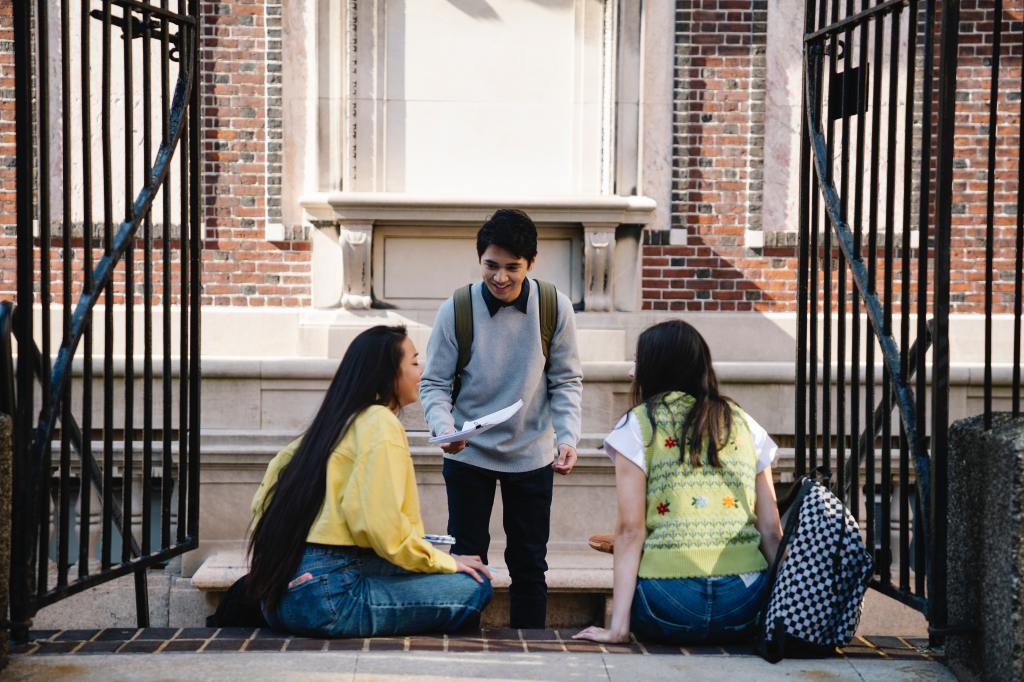
Photo by George Pak from Pexels
  1. Know Your Audience
  2. Develop a Strong Brand Identity
  3. Utilise Digital Marketing Strategies
    1. Social Media Marketing
    2. Email Marketing
    3. Website Development
  4. Leverage Community Partnerships
  5. Host Engaging Events and Programs
  6. Measure and Evaluate Marketing Efforts
  7. Conclusion

Know Your Audience

Before you start planning your marketing efforts, it’s important to identify your target audience. You should ask yourself:

  • Who are the young people you want to reach? 
  • What are their needs and interests? 

Understanding your audience will help you tailor your marketing efforts to resonate with them and increase the chances of success.

Take the time to conduct surveys, focus groups, or interviews to gather insights about your target audience. This will help you understand what they value, what motivates them, and what challenges they face. Use this information to create marketing materials and messages that speak directly to them.

Develop a Strong Brand Identity

A strong brand identity is crucial for the success of your youth program. Your brand is what sets you apart from other programs and helps to create a memorable and impactful impression. Consider your program’s mission, values, and unique selling points when developing your brand identity.

Start by creating a logo that represents your program’s personality and values. Choose a colour scheme that reflects the tone and mood you want to convey. Develop consistent messaging that communicates your program’s mission and benefits.

Remember, consistency is key. Ensure that your brand identity is consistent across all marketing materials and channels, including social media, email marketing, and your website.

Utilise Digital Marketing Strategies

Digital marketing is a powerful tool for promoting your youth program. It allows you to reach a wide audience and engage with potential participants in real-time. Here are some digital marketing strategies to consider:

Social Media Marketing

Social media platforms like TikTok, Threads, Facebook, and Instagram, are excellent channels for promoting your youth program. Use these platforms to share updates, photos, videos, and other engaging content that highlights the benefits of your program.

Consider the specific demographics, interests, and locations of people you would like to reach. Are you advertising the youth program to parents and carers, referring professionals such as social workers or doctors, or are you trying to reach the young people directly?

Email Marketing

Email marketing is a cost-effective way to keep your audience informed and engaged. Use email newsletters to share updates, announcements, and promotional offers. Segment your email list to send targeted and personalised messages to different groups of subscribers.

Make sure to include a clear call-to-action (CTA) in your emails, such as a link to register for your program or attend an upcoming event.

Website Development

Your website is the digital storefront of your youth program. It’s where potential participants and their parents can learn more about your program and how to get involved. Make sure your website is user-friendly, mobile-responsive, and optimised for search engines (SEO).

Include clear and compelling content that highlights the benefits of your program, testimonials from participants, and a CTA that encourages visitors to take action.

Leverage Community Partnerships

Community partnerships can be a powerful tool for marketing your youth program. By forming partnerships with local organisations, schools, and businesses, you can tap into new audiences and increase your program’s visibility.

Consider reaching out to local schools and youth organisations to explore collaboration opportunities. You could offer workshops, presentations, or events that align with their goals and interests.

Explore partnerships with local businesses that share your program’s values and mission. They may be willing to sponsor your program, provide in-kind donations, or help promote your program through their channels.

Remember to maintain strong relationships with your community partners. Keep them informed about your program’s successes and impact, and look for ways to reciprocate their support.

Host Engaging Events and Programs

Hosting engaging events and programs is a great way to generate interest and attract participants to your youth program. It provides an opportunity for potential participants and their parents to experience your program firsthand and see the benefits it offers.

When planning your events, consider the needs and interests of your target audience. Choose a location that is accessible and convenient for your participants. Promote your event through your marketing channels, including social media, email marketing, and community partnerships.

During the event, engage with participants and provide a positive and memorable experience. Collect contact information and follow up with attendees to encourage them to sign up for your program or attend future events.

Measure and Evaluate Marketing Efforts

Finally, it’s important to measure and evaluate the effectiveness of your marketing efforts. For youth workers, this may be evident from the number of young people who join your youth program or how many organisations would like to work in partnership with you.

If your youth program is part of a larger organisation, you may have staff members who can perform a detailed analysis on the effectiveness of your marketing attempts. Tracking key performance indicators (KPIs) and using analytics tools can help you understand what’s working and what’s not, and make data-driven decisions to improve your marketing strategy.

Some KPIs to consider include website traffic, social media engagement, email open rates, and conversion rates. Use tools like Google Analytics, social media insights, and email marketing platforms to track and analyse your data.

Regularly review your marketing performance and adjust your strategy based on the insights you gather. Test different approaches and messages to see what resonates with your audience and drives the best results.

Conclusion

Marketing your youth program is essential for increasing visibility and engagement. By knowing your audience, developing a strong brand identity, utilising digital marketing strategies, leveraging community partnerships, hosting engaging events, and measuring your marketing efforts, you can effectively promote your program and attract participants.

Remember, marketing is an ongoing process. Stay consistent, be flexible, and always look for ways to improve and optimise your marketing efforts. With the right strategy and effort, you can successfully market your youth program and make a positive impact on the lives of young people.

If you’re looking to improve your marketing skills and knowledge, consider enrolling in marketing courses or attending marketing workshops and conferences. There are many resources available to help you stay up-to-date with the latest trends and best practices in marketing.

Marketing your youth program is an essential part of attracting young people and their parents and guardians and ensuring the success of your program. By following these tips and strategies, you can effectively market your youth program and make a positive impact on the lives of young people. Good luck!


Give Your Child a Head Start: The Surprising Benefits of Youth Clubs in Developing Life Skills

4–6 minutes

Youth clubs can have an incredible impact on the lives of young people. In today’s fast-paced and ever-changing world, it’s more important than ever for young people to develop the essential life skills they need to navigate the challenges of adolescence and adulthood. This is where youth clubs come in.

Photo by Mary Taylor from Pexels
  1. What Are Life Skills?
  2. The Role of Youth Clubs in Life Skill Development
  3. Benefits of Youth Club Participation
  4. How Parents and Guardians Can Support Youth Club Participation
    1. Finding a Suitable Youth Club
    2. Encouraging Regular Attendance
    3. Fostering Open Communication
    4. Conclusion

What Are Life Skills?

Before we dive into how youth clubs can help develop life skills, let’s first take a moment to define what life skills are. Life skills are the abilities and competencies that enable individuals to effectively manage the challenges and demands of everyday life. These skills encompass a wide range of areas, including communication, teamwork, problem-solving, decision-making, and emotional intelligence.

Some key examples of life skills include:

  • Communication: The ability to express oneself clearly and effectively, both verbally and in writing. This includes active listening and the ability to give and receive constructive feedback.
  • Teamwork: The ability to work collaboratively with others towards a common goal, while respecting and valuing the contributions of each team member.
  • Problem-Solving: The ability to identify and analyse problems, generate potential solutions, and evaluate the effectiveness of different approaches.
  • Decision-Making: The ability to make informed and thoughtful decisions, weighing the pros and cons of different options and considering the potential consequences.
  • Emotional Intelligence: The ability to understand and manage one’s own emotions, as well as the emotions of others. This includes empathy, self-awareness, and self-regulation.

The Role of Youth Clubs in Life Skill Development

So, how exactly do youth clubs help young people develop these important life skills? Youth clubs provide a supportive and structured environment where young people can explore their interests, try new things, and learn valuable life skills through a variety of activities and programs.

One of the key ways that youth clubs help develop life skills is by providing opportunities for young people to take on leadership roles and responsibilities. This could include planning and organising events, leading group activities, or participating in community service projects. Through these experiences, young people learn important skills such as time management, project management, and teamwork.

Youth clubs also offer a wide range of programs and activities that are specifically designed to help young people develop important life skills. For example, many youth clubs offer workshops and classes on topics such as communication, conflict resolution, and goal-setting. These programs provide young people with the tools and strategies they need to navigate the challenges of adolescence and adulthood.

In addition to structured programs and activities, youth clubs also provide a safe and supportive environment for young people to build positive relationships with peers and adults. These relationships can be incredibly valuable for young people as they navigate the ups and downs of adolescence. Through these relationships, young people can learn important social and emotional skills, such as empathy, active listening, and conflict resolution.

Benefits of Youth Club Participation

There are numerous benefits to participating in a youth club, both for young people and for the parents and guardians who support them. Here are just a few of the many benefits of youth club participation:

  • Social Benefits: Youth clubs provide a space where young people can make friends, build a sense of belonging, and foster a sense of inclusivity. These social connections can be incredibly valuable for young people, especially during adolescence when they are navigating the complexities of social relationships.
  • Emotional Benefits: Youth clubs can help build confidence, self-esteem, and emotional intelligence. Through participation in youth club activities, young people can learn to recognize and manage their emotions, build resilience, and develop a positive self-image.
  • Cognitive Benefits: Youth clubs can enhance critical thinking, decision-making, and problem-solving skills. Through participation in activities and programs, young people can learn to think critically, evaluate information, and solve problems effectively.

How Parents and Guardians Can Support Youth Club Participation

As a parent or guardian, you play a crucial role in supporting your child’s participation in a youth club. Here are a few tips on how you can support your child’s involvement in a youth club:

Finding a Suitable Youth Club

When selecting a youth club for your child, it’s important to consider factors such as location, programs offered, and the club’s values and philosophy. Take the time to visit different clubs, speak with staff members, and gather information to help you make an informed decision.

Encouraging Regular Attendance

Regular attendance and participation in youth club activities are key to reaping the full benefits of the experience. Encourage your child to attend meetings and events regularly, and provide transportation and support as needed.

Fostering Open Communication

It’s important to foster open communication and discussion with your child about their experiences at the youth club. Ask your child about their favourite activities, what they’re learning, and how they’re feeling. This will help you stay connected and involved in your child’s life.

Conclusion

Youth clubs play a crucial role in helping young people develop essential life skills that will serve them well throughout their lives. Through participation in youth clubs, young people can build positive relationships, develop confidence and self-esteem, and learn valuable skills such as communication, teamwork, and problem-solving.

As a parent or guardian, your support and encouragement are key to ensuring that your child has a positive and enriching experience in a youth club. By working together with youth club staff and leaders, you can help your child develop the life skills they need to navigate the challenges of adolescence and adulthood.

In conclusion, if you’re looking for ways to support your child’s development and prepare them for the future, consider encouraging their participation in a youth club. Youth clubs offer a wide range of programs and activities that can help develop life skills and provide valuable opportunities for personal growth and development.

How to Use Group Games to Encourage Youth Participation

6–9 minutes

Group games are a powerful tool for encouraging youth participation.There are many games and activities that can be used to achieve different goals, such as building relationships, developing specific skills, and teaching important life lessons. Group games can help to create a safe and supportive space for youth to participate, build trust and rapport between youth and youth workers, develop youth’s communication and teamwork skills, teach youth important life skills, and be a lot of fun.

In this post, we will explore how group games can encourage youth participation in your youth club and examples of some fantastic games you can play.

Photo by Pixabay from Pexels
  1. The Benefits of Using Group Games to Encourage Youth Participation
  2. Tips for Using Group Games to Encourage Youth Participation
  3. Examples of Group Games That Can Be Used to Encourage Youth Participation
    1. Human Bingo
    2. The Amazing Race 
    3. The Floor is Lava
    4. Ice Breakers and Warm-Up Games
    5. Team Building Games
    6. Cooperative Games
    7. Problem-Solving Games
    8. Creative Games
    9. Physical Activity Games
  4. Conclusion

The Benefits of Using Group Games to Encourage Youth Participation

There are many benefits to using group games to encourage youth participation. Here are a few of the most important ones:

  • Group games can help to create a safe and supportive space for youth to participate. When youth feel safe and supported, they are more likely to participate in activities and express themselves. Group games can help to create this safe and supportive space by providing youth with an opportunity to interact with each other in a positive and non-threatening environment.
  • Group games can help to build trust and rapport between youth and youth workers. When youth workers participate in group games with youth, it helps to show youth that they are willing to have fun and be themselves. This can help to build trust and rapport between youth and youth workers, which is essential for creating a positive and productive learning environment.
  • Group games can help to develop youth’s communication and teamwork skills. Many group games require youth to communicate and work together in order to achieve a common goal. This can help youth to develop their communication and teamwork skills, which are essential for success in school, work, and life.
  • Group games can help to teach youth important life skills, such as problem-solving and conflict resolution. Many group games require youth to solve problems and resolve conflicts in order to succeed. This can help youth to develop important life skills that they can use in all areas of their lives.
  • Group games can be a lot of fun and can help to create positive memories for youth. When youth are having fun, they are more likely to be engaged and motivated. Group games can provide youth with an opportunity to have fun, be creative, and express themselves. This can help to create positive memories for youth that will last a lifetime.

Tips for Using Group Games to Encourage Youth Participation

When using group games to encourage youth participation, it is important to keep the following tips in mind:

  • Choose games that are appropriate for the age, maturity level, and interests of your youth participants. It is important to choose games that all youth can participate in and enjoy. If the games are too difficult or too easy, youth may become frustrated and disengaged.
  • Make sure that the rules of the games are clear and easy to understand. Before starting a game, take the time to explain the rules to all youth participants. Make sure that everyone understands the rules before the game begins.
  • Encourage all youth to participate, regardless of their skill level. It is important to create an environment where all youth feel comfortable participating, regardless of their skill level. Make sure that all youth have an opportunity to contribute to the game and to feel successful.
  • Be positive and supportive, and create a fun and safe environment for youth to play. It is important to create a positive and supportive environment where all youth feel comfortable participating. Be positive and encouraging, and avoid criticising youth for making mistakes.

Examples of Group Games That Can Be Used to Encourage Youth Participation

Below are a few examples of group games that can be used to encourage youth participation:

Human Bingo

This game can be used to help a group of shy and reserved youth to break the ice and get to know each other. The game is simple but effective: each youth has a bingo card with different characteristics and experiences listed on it, and they have to find other youth who match each characteristic or experience. The game can help youth to learn more about each other and to feel more comfortable participating in the group.

The Amazing Race 

This is a great game to help a group of youth to develop their teamwork skills. The game involves the youth working together to complete a series of challenges, such as solving puzzles, building structures, and navigating obstacles. To win, a team must be the first team to reach the finish line by completing a series of challenges.The Amazing Race is a game which can help youth to learn how to communicate effectively with each other, support each other, and work together to achieve a common goal.

The Floor is Lava

This game is great for youth to develop their problem-solving skills. Youth must move from one side of the room to the other without touching the floor, which is considered to be lava. The young people have to come up with creative solutions to overcome the obstacles in their path, such as using chairs and tables to create bridges and stepping stones.

These are just a few examples of how group games can be used to encourage youth participation. More examples of group games are listed below under the relevant category.

Ice Breakers and Warm-Up Games

Ice breakers and warm-up games are a great way to get youth started and engaged in a group activity. These games can help youth to get to know each other, learn each other’s names, and feel more comfortable participating in the group.

Some examples of ice breakers and warm-up games include:

  • Human Bingo
  • Two Truths and a Lie
  • Simon Says
  • Would You Rather?
  • Would You Rather?

Team Building Games

Team building games are a great way to help youth develop their teamwork skills. These games require youth to work together to achieve a common goal.

Some examples of team building games include:

  • The Amazing Race
  • Human Knot
  • Trust Fall
  • Problem-solving games, such as puzzles and escape rooms

Cooperative Games

Cooperative games are a type of team building game in which all players work together to achieve a common goal. There are no winners or losers in cooperative games, and all players succeed or fail together.

Some examples of cooperative games include:

  • Forbidden Island
  • Forbidden Desert
  • Pandemic
  • Hanabi

Problem-Solving Games

Problem-solving games are a great way to help youth develop their problem-solving skills. These games require youth to think critically and creatively to solve a problem.

Some examples of problem-solving games include:

  • The Floor is Lava
  • Tangrams
  • Rubik’s Cube
  • Escape rooms

Creative Games

Creative games are a great way to help youth develop their creativity and imagination. These games allow youth to express themselves in new and innovative ways.

Some examples of creative games include:

  • Art projects
  • Improv games
  • Storytelling games
  • Music and dance games

Physical Activity Games

Physical activity games are a great way to help youth get exercise and have fun at the same time. These games can also help to develop youth’s motor skills and coordination.

Some examples of physical activity games include:

  • Tag/ Tig
  • Football/ Soccer
  • Basketball
  • Relay races

Conclusion

Group games are a powerful tool for encouraging youth participation. They can help to create a safe and supportive space for youth to participate, build trust and rapport between youth and youth workers, develop youth’s communication and teamwork skills, teach youth important life skills, and be a lot of fun.

When using group games to encourage youth participation, it is important to choose games that are appropriate for the age, maturity level, and interests of your youth participants. It is also important to make sure that the rules of the games are clear and easy to understand, and to encourage all youth to participate, regardless of their skill level. Finally, it is important to create a positive and supportive environment where all youth feel comfortable participating.

I hope this article has given you some ideas on how to use group games to encourage youth participation. Group games can be a great way to make learning fun and engaging for youth, and to help them develop important life skills.

The Secret to Setting Healthy Boundaries with Your Youth Mentee (And Why It’s So Important)

6–9 minutes

Healthy boundaries are essential in any relationship, but they are especially important in youth mentoring relationships. As a youth worker, you are in a position of power and responsibility, and it is important to set clear and consistent boundaries to protect yourself and your mentee.

Healthy boundaries are limits that you set to protect your time, energy, and emotional well-being. They can be physical, emotional, or professional. For example, you might set a physical boundary by limiting the number of times your mentee can call or text you outside of scheduled mentoring sessions. You might set an emotional boundary by avoiding getting too involved in your mentee’s personal problems. Or, you might set a professional boundary by refusing to give your mentee money or gifts.

Photo by Yan Krukau from Pexels
  1. Why Should I Have Boundaries with My Youth Mentee?
  2. Promoting the Safety of Yourself and Your Youth Mentee
    1. For the youth:
    2. For the youth worker:
  3. Tips for Setting Healthy Boundaries with Your Youth Mentee
  4. Common Challenges to Setting Healthy Boundaries in Youth Mentoring Relationships
  5. Additional Tips for Youth Workers
  6. Conclusion

Why Should I Have Boundaries with My Youth Mentee?

Setting healthy boundaries is important for several reasons. First, it helps to protect you from burnout. If you don’t set limits, you’re likely to give too much of yourself to your mentee, which can lead to exhaustion and frustration. Second, setting boundaries helps to maintain a professional relationship with your mentee. It’s important to remember that you are not their parent or friend. You are their mentor, and your role is to provide guidance and support. Setting boundaries helps to keep the relationship focused on your mentoring goals. Third, setting boundaries helps to teach your mentee important life skills. By showing them how to set and maintain boundaries, you’re helping them to develop healthy relationships of their own.

Promoting the Safety of Yourself and Your Youth Mentee

Setting boundaries with a youth mentee helps to ensure the safety of the young person you are supporting and yourself. Below are a number of ways that boundaries can promote safety:

For the youth:

  • It teaches the youth how to set and maintain their own boundaries. This is an important life skill that will help them to protect themselves in their personal and professional relationships.
  • It helps to create a safe and supportive space for the youth to explore their thoughts and feelings. When the youth knows that there are clear boundaries in place, they feel more comfortable sharing their experiences and asking for help.
  • It prevents the youth from becoming overly dependent on the youth worker. The youth needs to learn how to be independent and self-sufficient. Setting boundaries helps to promote this development.

For the youth worker:

  • It prevents the youth worker from burnout. Youth workers often give a lot of themselves to their mentees. However, it is important for youth workers to maintain their own well-being in order to be effective. Setting boundaries helps to prevent youth workers from giving too much of themselves and becoming overwhelmed.
  • It protects the youth worker from allegations of abuse. When there are clear boundaries in place, it is less likely that someone could accuse the youth worker of inappropriate behaviour.
  • It maintains a professional relationship between the youth worker and the youth. It is important for youth workers to maintain a professional relationship with their mentees. This means avoiding getting too close to the youth or getting involved in their personal lives. Setting boundaries helps to maintain this professional relationship.

Tips for Setting Healthy Boundaries with Your Youth Mentee

Here are some tips for setting healthy boundaries with your youth mentee:

  • Be clear and direct about your boundaries. Don’t beat around the bush or try to soften your boundaries. Be clear and direct about what you’re willing and not willing to do.
  • Be consistent with your boundaries. Once you’ve set a boundary, be consistent about enforcing it. Don’t make exceptions, even if your mentee begs or pleads with you.
  • Be flexible and willing to adjust your boundaries as needed. Your mentee’s needs may change over time, so be willing to adjust your boundaries accordingly. However, it’s important to maintain your core boundaries.
  • Communicate your boundaries to your mentee in a respectful and supportive way. Explain to your mentee why your boundaries are important and how they will benefit both of you.
  • Model healthy boundaries in your own behaviour. Your mentee will learn from watching you. Be mindful of your own boundaries and make sure you’re modelling healthy behaviour.

Common Challenges to Setting Healthy Boundaries in Youth Mentoring Relationships

There are a few common challenges that youth workers face when setting healthy boundaries with their mentees. Here are a few tips for overcoming these challenges:

  • Feeling guilty or responsible for your mentee’s problems. It’s important to remember that you are not responsible for your mentee’s problems. Your job is to provide guidance and support, but you cannot solve their problems for them. If you’re feeling guilty about setting boundaries, remind yourself that you are doing what is best for both of you in the long run.
  • Wanting to be liked and accepted by your mentee. It’s natural to want to be liked and accepted by your mentee, but it’s important to remember that you cannot please everyone. Setting boundaries may sometimes mean disappointing your mentee, but it’s important to do what is right for you.
  • Feeling pressured to give your mentee everything they want. It’s important to remember that you are not your mentee’s parent. You do not have to give them everything they want. In fact, it’s not healthy to do so. Setting boundaries teaches your mentee important life skills, such as how to deal with disappointment and delayed gratification.
  • Not knowing how to say no to your mentee. It’s okay to say no to your mentee. In fact, it’s important to say no sometimes. If you’re struggling to say no, try practising with a friend or colleague. You can also try saying no in a more assertive way, such as “I can’t help you with that right now.”

Additional Tips for Youth Workers

Here are some additional tips for youth workers on how to set and maintain healthy boundaries with their mentees:

  • Be honest with yourself about your needs. What are you comfortable with? What are your limits? Once you know your own needs, it will be easier to set boundaries that are right for you.
  • Talk to other youth workers. Other youth workers can offer support and advice on how to set and maintain boundaries with your mentee. They can also share their own experiences and lessons learned.
  • Seek professional support. If you’re struggling to set boundaries with your mentee, consider seeking professional support from a therapist or counsellor. They can help you to identify your needs, develop healthy boundaries, and communicate your boundaries to your mentee in a clear and effective way.
  • Remember that you are not alone. Setting boundaries can be difficult, but it’s important to remember that you are not alone. Many youth workers struggle with this issue. There are resources and support available to help you.

Conclusion

Setting healthy boundaries with your youth mentee is essential for your own well-being, the safety of the young person, and the success of your mentoring relationship. 

Healthy boundaries with your youth mentee is important for both you and the mentee. It can help to protect you from burnout, maintain a professional relationship, teach the mentee important life skills, and promote safety.

Here are some tips for setting healthy boundaries:

  • Be clear and direct about your boundaries.
  • Be consistent with your boundaries.
  • Be flexible and willing to adjust your boundaries as needed.
  • Communicate your boundaries to your mentee in a respectful and supportive way.
  • Model healthy boundaries in your own behaviour.

Some common challenges to setting healthy boundaries include feeling guilty or responsible for your mentee’s problems, wanting to be liked and accepted by your mentee, feeling pressured to give your mentee everything they want, and not knowing how to say no.

Here are some additional tips for youth workers:

  • Be honest with yourself about your needs.
  • Talk to other youth workers.
  • Seek professional support.
  • Remember that you are not alone.

By following the tips above, you can learn to set and maintain boundaries that are both respectful and effective.

Professional Development: The Secret to Success for Youth Workers

6–9 minutes

Professional development is the process of continuously acquiring new knowledge, skills, and abilities throughout your career. It is especially important for youth workers, who play a vital role in the lives of young people. 

Photo by Akil Mazumder from Pexels
  1. Why is Professional Development Important?
  2. Types of Professional Development Activities
  3. How to Choose the Right Professional Development Opportunities for You
  4. Take Advantage of Free and Low-Cost Professional Development Opportunities
    1. Where to Find Free and Low-Cost Professional Development Opportunities
  5. Tips for Making the Most of Professional Development Opportunities
  6. Conclusion

Why is Professional Development Important?

Professional development can help youth workers to:

  • Increase their knowledge and skills in areas such as youth development, child psychology, and social justice
  • Improve their ability to meet the needs of youth, including those with special needs or who are facing challenges
  • Increase their confidence and credibility as youth workers
  • Enhance their career opportunities
  • Achieve greater personal and professional satisfaction

Types of Professional Development Activities

There are many different types of professional development activities available to youth workers. Some of the most common include:

  • Formal education and training programs: These programs typically offer structured instruction in a variety of youth work topics. They can be offered by colleges and universities, professional organizations, or community-based organizations.
  • Conferences and workshops: Conferences and workshops provide opportunities for youth workers to learn about new trends and developments in the field, network with other professionals, and earn continuing education credits.
  • Mentoring and coaching: Mentoring and coaching can provide youth workers with one-on-one support and guidance from more experienced professionals.
  • Professional reading and research: Staying up-to-date on the latest research and literature in the field of youth work is another important way to engage in professional development.
  • Networking and peer learning: Networking with other youth workers and participating in peer learning groups can be a great way to share ideas, learn from each other, and get support.

How to Choose the Right Professional Development Opportunities for You

When choosing professional development opportunities, there are a few things to keep in mind:

  • Consider your interests and career goals: What areas of youth work are you most interested in? What are your career goals? Choose professional development opportunities that will help you to achieve your goals and develop the skills you need to succeed.
  • Identify your areas of need and growth: What are your areas of strength and weakness as a youth worker? Where do you need to improve? Choose professional development opportunities that will help you to address your areas of need and grow as a professional.
  • Look for opportunities that are aligned with the values and mission of your organization: Make sure that the professional development opportunities you choose are aligned with the values and mission of the organization you work for. This will help you to ensure that your learning is relevant to your work and that you are able to apply what you learn to your role.
  • Research the quality and reputation of the training provider: When choosing professional development opportunities, it is important to research the quality and reputation of the training provider. This will help you to ensure that you are getting a high-quality learning experience.
  • Make sure the cost and time commitment are feasible for you: Professional development opportunities can vary in terms of cost and time commitment. Make sure to choose opportunities that are feasible for you financially and time-wise.

Take Advantage of Free and Low-Cost Professional Development Opportunities

Here are some tips for youth workers on how to take advantage of free and low-cost professional development opportunities:

  • Look for opportunities offered by your employer. Many employers offer professional development opportunities to their employees, either in-house or through tuition reimbursement programs. Check with your supervisor to see what professional development opportunities are available to you.
  • Search for online courses and webinars. There are many online courses and webinars available on a variety of youth work topics. Many of these courses and webinars are free or low-cost.
  • Network with other youth workers. Networking with other youth workers is a great way to learn about professional development opportunities. Join online or in-person youth work networks and connect with other professionals in your field.
  • Volunteer your time. Volunteering your time to youth work organizations is a great way to gain experience and learn new skills. Many youth work organizations offer training and professional development opportunities to their volunteers.
  • Attend conferences and workshops. While conferences and workshops can be expensive, there are often scholarships and financial assistance available to help youth workers attend. You can also look for conferences and workshops that offer early bird discounts or payment plans.

Where to Find Free and Low-Cost Professional Development Opportunities

Below are examples of where you could find free or low-cost professional development opportunities:

  • National Youth Agency (NYA): The NYA offers a variety of free and low-cost professional development resources for youth workers in the UK, including online courses, webinars, and face-to-face training.
  • YouthLink Scotland: YouthLink Scotland is a national youth work organization in Scotland that offers a variety of free and low-cost professional development resources for youth workers, including online courses, webinars, and face-to-face training.
  • Youth Development Board for Northern Ireland: The Youth Development Board for Northern Ireland is a government agency that offers a variety of free and low-cost professional development resources for youth workers in Northern Ireland, including online courses, webinars, and face-to-face training.
  • European Youth Forum: The European Youth Forum is a European youth organization that offers a variety of free and low-cost professional development resources for youth workers throughout Europe, including online courses, webinars, and face-to-face training.
  • World Association of Girl Guides and Girl Scouts: The World Association of Girl Guides and Girl Scouts is a global organization for girls and young women that offers a variety of free and low-cost professional development resources for youth workers throughout the world, including online courses, webinars, and face-to-face training.
  • Youth.gov: Youth.gov is a website from the U.S. Department of Health and Human Services that offers a variety of resources for youth workers, including free online courses and webinars.
  • National Alliance of Youth Workers (NAYW): NAYW is a professional organization for youth workers that offers a variety of resources, including free online courses and webinars, as well as paid professional development opportunities.
  • Youth Development Institute (YDI): YDI is a non-profit organization that offers a variety of professional development resources for youth workers, including free online courses and webinars, as well as paid professional development opportunities.
  • American Camp Association (ACA): ACA is a professional organization for camp professionals that offers a variety of resources for youth workers, including free online courses and webinars, as well as paid professional development opportunities.
  • National Association of Social Workers (NASW): NASW is a professional organization for social workers that offers a variety of resources for youth workers, including free online courses and webinars, as well as paid professional development opportunities.

In addition to these specific organizations, there are many other free and low-cost professional development opportunities available for youth workers. For example, many local governments and universities offer professional development courses and workshops on a variety of youth work topics. There are also many online resources available, such as free online courses, webinars, and articles.

Tips for Making the Most of Professional Development Opportunities

Once you have chosen professional development opportunities, there are a few things you can do to make the most of them:

  • Be prepared and set goals for yourself: Before attending a training program, workshop, or conference, take some time to think about what you want to learn from the experience. Set some specific goals for yourself.
  • Be engaged and participate actively: When attending professional development activities, it is important to be engaged and participate actively. This means asking questions, sharing your own ideas, and participating in discussions.
  • Take notes and reflect on your learning: It is important to take notes during professional development activities and to reflect on your learning afterwards. This will help you to retain the information you have learned and to apply it to your work.
  • Network with other professionals: Professional development activities are a great opportunity to network with other youth workers. Make an effort to meet new people and learn from their experiences.
  • Apply what you learn to your work: One of the best ways to make the most of professional development is to apply what you learn to your work. Think about how you can apply the new knowledge and skills you have learned to your programs and activities.

Conclusion

Professional development is essential for youth workers who want to provide high-quality services to young people. There are many different types of professional development opportunities available, and it is important to choose opportunities that are aligned with your interests, career goals, and the needs of your organization. By following the tips above, you can make the most of your professional development experiences and become a more effective youth worker.

How Youth Ministry Can Help Your Child Grow in Their Faith and Become a Better Person

7–10 minutes

As with youth work and many extra curricular activities, youth ministry offers many benefits for young people. It provides a safe and supportive space for young people to explore their faith, develop their leadership skills, and make a difference in their communities. Youth ministry can also help young people to become more resilient, compassionate, and purposeful individuals. But it’s not only young people who can benefit from youth ministry – it can be a valuable resource for their families and communities! In this article, we explore some of the key benefits of youth ministry for young people, their parents and guardians, and even the local community. 

Photo by Luis Quintero from Pexels
  1. Spiritual growth
  2. Leadership development
  3. Community service
  4. How to find a youth ministry program
  5. Benefits of youth ministry for parents and guardians
  6. Conclusion

Spiritual growth

One of the most important benefits of youth ministry is that it helps young people to grow in their faith. Youth ministry provides opportunities for young people to learn about the Bible, pray, and worship. It also helps young people to develop a strong moral compass and make good choices.

In today’s world, young people are bombarded with messages that are often contrary to Christian values. Youth ministry can help young people to learn about their faith and to develop a strong foundation in Christ.

Spiritual growth isn’t just for young Christians, it is an important aspect of healthy development for young people of any or no faith. Spiritual growth can help youth to:

  • Develop a strong moral compass: Spiritual growth can help young people to develop a strong moral compass and make good choices. This is important for young people of any faith, as well as those who do not identify with a particular faith.
  • Find meaning and purpose in life: Spiritual growth can help young people to find meaning and purpose in life. This can be especially helpful for young people who are struggling with difficult questions about life and their place in the world.
  • Develop a strong sense of self-identity: Spiritual growth can help young people to develop a strong sense of self-identity. This can be especially helpful for young people who are exploring their values and beliefs.
  • Build resilience in the face of challenges: Spiritual growth can help young people to build resilience in the face of challenges. This is important for all young people, regardless of their faith.

Specifically, for young people of no faith, spiritual growth can involve exploring their own values and beliefs, developing a sense of purpose in life, and connecting with others who share their values. Spiritual growth can also involve developing a sense of awe and wonder at the world around them, and finding meaning in their own experiences.

Overall, spiritual growth is an important part of human development. It can help young people to become more resilient, compassionate, and purposeful individuals.

Leadership development

Another important benefit of youth ministry is that it helps young people to develop their leadership skills. Youth ministry provides opportunities for young people to plan and lead events, serve in their communities, and mentor other young people.

Leadership development is an important skill for young people to learn. It will help them to succeed in school, in their careers, and in their personal lives. Youth ministry can help young people to develop the confidence and skills that they need to be effective leaders.

Youth ministry can help young people to develop their leadership skills in a number of ways. For example, youth ministry programs often provide opportunities for young people to:

  • Plan and lead events: Youth ministry programs often involve young people in planning and leading events, such as youth retreats, service projects, and social gatherings. This gives young people the opportunity to develop their leadership skills in a variety of areas, such as organization, decision-making, and problem-solving.
  • Serve in their communities: Youth ministry programs often encourage young people to get involved in their communities through service projects. This gives young people the opportunity to develop their leadership skills by working with others to achieve a common goal.
  • Mentor other young people: Youth ministry programs often provide opportunities for young people to mentor other young people. This gives young people the opportunity to develop their leadership skills by sharing their knowledge and experiences with others.

Community service

Youth ministry also encourages young people to get involved in their communities and make a difference. Youth ministry provides opportunities for young people to volunteer at local charities, participate in service projects, and advocate for social justice.

Community service is a great way for young people to learn about the needs of others and to develop empathy and compassion. It is also a great way for young people to make a difference in the world.

Here are some examples of how youth ministry programs can promote community service:

  • Organize service projects: Youth ministry programs can organize service projects for young people to participate in. This could involve anything from cleaning up a park to serving meals at a homeless shelter to visiting the elderly. Service projects are a great way for young people to learn about the needs of others and to make a difference in their communities.
  • Encourage young people to volunteer: Youth ministry programs can encourage young people to volunteer their time to local charities or organizations. This could involve anything from volunteering at a soup kitchen to helping out at a community animal shelter to tutoring younger students. Volunteering is a great way for young people to develop their skills, meet new people, and make a positive impact on their communities.
  • Provide information about community service opportunities: Youth ministry programs can provide young people with information about community service opportunities in their area. This could involve sharing flyers, posting announcements on social media, or inviting guest speakers to talk about their experiences with community service. Providing young people with information about community service opportunities can help them to find ways to get involved in their communities and make a difference.
  • Lead discussions about community service: Youth ministry programs can lead discussions with young people about their experiences with community service. This could involve talking about what they learned from their service projects, how they felt about their experiences, and how they can continue to make a difference in the world. Talking about community service can help young people to reflect on their experiences and to develop a deeper understanding of the importance of service.
  • Help young people to find ways to continue making a difference: Youth ministry programs can help young people to find ways to continue making a difference in the world. This could involve connecting them with local organizations that need volunteers, helping them to develop their own service projects, or providing them with resources and support. Helping young people to find ways to continue making a difference can help them to develop a lifelong commitment to service.

In addition to promoting community service, youth ministry programs can also help young people to reflect on their experiences and to learn from them. For example, after participating in a service project, youth ministry leaders may lead a discussion with young people about what they learned and how they can continue to make a difference in the world.

How to find a youth ministry program

If you are a parent or guardian, you may be wondering how to find a youth ministry program that is right for your child. Here are a few tips:

  • Ask your pastor or other church leaders for recommendations.
  • Talk to other parents or guardians whose children participate in youth ministry programs.
  • Visit different youth ministry programs to see which one is the best fit for your child.

When choosing a youth ministry program, it is important to consider the following factors:

  • The program’s mission and values.
  • The program’s activities and programs.
  • The program’s leaders.
  • The cost of the program.

Here are some additional tips for finding a youth ministry program:

  • Look for a program that is accredited by a reputable organization, such as the Youth Ministry Certification Commission.
  • Make sure that the program’s leaders are trained and experienced in working with young people.
  • Ask about the program’s safety policies and procedures.

Benefits of youth ministry for parents and guardians

In addition to the benefits that youth ministry provides for young people, it also provides benefits for parents and guardians. For example, youth ministry can help parents and guardians to:

  • Connect with other parents and guardians who are raising young people in today’s world.
  • Learn more about their child’s faith and how to support it at home.
  • Find support and encouragement as they raise their children.

Conclusion

Youth ministry is a great way for young people to grow in their faith, develop their leadership skills, and make a difference in their communities. It is a valuable resource for young people and their families.. If you are a parent or guardian, I encourage you to consider enrolling your child in a youth ministry program.

Youth ministry programs can help young people to:

  • Develop a strong moral compass
  • Find meaning and purpose in life
  • Develop a strong sense of self-identity
  • Build resilience in the face of challenges
  • Learn about the needs of others
  • Develop empathy and compassion
  • Develop their leadership skills
  • Learn new skills
  • Meet new people
  • Make a difference in their communities

Youth ministry can be a valuable resource for young people and their families. It can help young people to become more resilient, compassionate, and purposeful individuals.

3 Simple Steps to Help Your Youth Stay Safe Online

3–5 minutes

The internet is a powerful tool that can be used for learning, communication, and entertainment. However, it is also important to be aware of the risks that young people face online, such as cyberbullying, online predators, and scams. Adults and professionals who support young people play an important role in helping them stay safe online.

Photo by Kampus Production from Pexels
  1. Talk to Youth About Online Safety
  2. Use Parental Controls and Monitoring Software
  3. Teach Youth How to Be Safe Online
  4. Additional Tips
  5. Conclusion
  6. Resources for Adults and Professionals

Talk to Youth About Online Safety

One of the most important things that adults and professionals can do to help youth stay safe online is to talk to them about it. Open a dialogue about youth’s online activities and experiences. Educate them about the risks they face online, such as cyberbullying, online predators, and scams. Help them develop healthy online habits, such as being mindful of what they share online and using strong passwords.

Here are some tips for talking to youth about online safety:

  • Be open and honest. Let youth know that you are there to support them and that you want to help them stay safe online.
  • Listen to youth’s concerns. Take their concerns seriously and work with them to develop strategies for dealing with them.
  • Be respectful of youth’s privacy. Don’t spy on their online activity or read their messages without their permission.
  • Be a role model. Show youth how to use the internet and social media responsibly. Be mindful of what you share online and how you interact with others online.

Use Parental Controls and Monitoring Software

Parental controls and monitoring software can be helpful tools for keeping youth safe online. Parental controls allow you to block certain websites and apps, set time limits on screen time, and track youth’s online activity. Monitoring software can provide you with more detailed information about youth’s online activity, such as who they are communicating with and what websites they are visiting.

It is important to be transparent with youth about your use of parental controls and monitoring software. Explain to them why you are using these tools and how they are designed to help them stay safe online.

Teach Youth How to Be Safe Online

In addition to talking to youth about online safety and using parental controls and monitoring software, it is also important to teach them how to be safe online. This includes teaching them how to spot red flags online, such as unsolicited messages from strangers and websites that ask for personal information. It also includes helping them develop strategies for dealing with cyberbullying and other online threats.

Here are some tips for teaching youth how to be safe online:

  • Teach youth how to create strong passwords and keep them safe.
  • Teach youth how to be mindful of what they share online. This includes their personal information, photos, and videos.
  • Teach youth how to spot red flags online, such as unsolicited messages from strangers and websites that ask for personal information.
  • Teach youth how to deal with cyberbullying and other online threats. This includes blocking people, reporting cyberbullying, and talking to a trusted adult.

Additional Tips

Here are some additional tips for helping youth stay safe online:

  • Work with other adults and professionals in youth’s lives. Talk to youth’s parents, teachers, and coaches about online safety. Collaborate on developing strategies for keeping youth safe online.
  • Report cyberbullying and other online threats. If you see something, say something. Report cyberbullying and other online threats to the appropriate authorities.
  • Become a role model for digital citizenship. Show youth how to use the internet and social media responsibly. Be mindful of what you share online and how you interact with others online.

Conclusion

It is important to create a safe and supportive environment for youth both online and offline. By talking to youth about online safety, using parental controls and monitoring software, and teaching youth how to be safe online, adults and professionals can help youth stay safe online and have positive digital experiences.

Resources for Adults and Professionals

Here are some resources for adults and professionals who support youth:

I hope this article has been informative and helpful. Please remember that you are not alone in helping youth stay safe online. There are many resources available to support you.

How to Help Your Teen Choose a Career That They’ll Love

5–7 minutes

Choosing a career is a big decision, but it doesn’t have to be overwhelming. By working together we can help teens make informed decisions about their future.

Photo by ThisIsEngineering from Pexels
  1. Why is it important for teens to start thinking about their careers early?
  2. How can adults help teens choose a career?
    1. 1. Help teens identify their strengths and interests.
    2. 2. Encourage teens to research different careers.
    3. 3. Help teens develop a career plan.
    4. 4. Support teens throughout the career planning process.
  3. Examples for how adults and professionals can help teens choose a career:
    1. Parents and Guardians:
    2. Youth Workers:
    3. Teachers:
    4. All Adults Can:
  4. Tips for teens who are choosing a career
  5. Conclusion

Why is it important for teens to start thinking about their careers early?

There are many benefits to helping teens start thinking about their careers early. First, it gives them more time to explore different options and make informed decisions. Second, it helps them develop a plan for achieving their career goals. Third, it can motivate them to work hard in school and develop the skills and knowledge they need to be successful in their chosen field.

How can adults help teens choose a career?

Adults in teen’s lives, youth workers, teachers, parents, and guardians – there are many things that we can do to help teens choose a career. Here are a few tips:

1. Help teens identify their strengths and interests.

What are your teen’s good at? What do they enjoy doing? What are they passionate about? What are their career goals?

There are many ways to help teens identify their strengths and interests. You can talk to them about their hobbies, activities, and school subjects. Help them make a list or personal profile of their passions and strengths. You can also encourage them to take career assessments and personality tests.

Once your teen has a good understanding of their strengths and interests, they can start to narrow down their career options.

2. Encourage teens to research different careers.

There are many resources available to help teens learn about different careers, including:

  • Online career explorers
  • Career books and magazines
  • Job shadowing opportunities
  • Career fairs and workshops

When researching available career options, you should encourage your teen to consider their values. Do they want to help others? Do they think that wearing formal clothes is important for their career? Are they happy to work and sit at a desk all day? 

3. Help teens develop a career plan.

Once your teen has a good understanding of their strengths, interests, and career goals, they can start to develop a career plan. This plan should include their educational goals, short-term and long-term career goals, and a timeline for achieving those goals.

You can help teens develop a career plan by talking to them about their options and helping them set realistic goals. Help your teen to consider the many paths to each career and which may best suit their personality and skills. It may also help to have two or three career plans to prevent your teen from feeling restricted, or pressured to follow a particular career path.

4. Support teens throughout the career planning process.

Let your teen know that you are there to support them as they make decisions about their future. Offer help with research, CV/ resume writing, and interview preparation. Encourage them to try new things and explore different career options.

Remember, career paths and life trajectories are not always linear!

Examples for how adults and professionals can help teens choose a career:

Parents and Guardians:

  • Talk to your teen about their career goals and interests.
  • Help them research different careers and develop a career plan.
  • Encourage them to participate in career-related activities.

Youth Workers:

  • Organize career workshops and field trips.
  • Connect teens with mentors in different careers.
  • Provide resources on career planning and exploration.

Teachers:

  • Incorporate career exploration into the curriculum.
  • Encourage students to shadow professionals in different fields.
  • Invite guest speakers from different careers to talk to students.

All Adults Can:

  • Be supportive and encouraging.
  • Help teens identify their strengths and interests.
  • Encourage them to explore different career options.
  • Help them develop a career plan.
  • Be patient and understanding. It may take some time for teens to figure out what they want to do with their lives.

Choosing a career is a big decision, but it doesn’t have to be overwhelming. By working together, we can help teens make informed decisions about their future and choose careers that they are passionate about.

Tips for teens who are choosing a career

  • Don’t be afraid to experiment. It’s okay to try different things and change your mind about what you want to do.
  • Don’t compare yourself to others. Everyone is different and has their own unique skills and talents.
  • Don’t be afraid to ask for help. Talk to your parents, guardians, or other adults who can offer support and guidance.
  • Don’t be afraid to fail. Failure is a part of life and it can be a great learning experience. Don’t let the fear of failure prevent you from trying new things.
  • Don’t be afraid to take risks. If you have a dream, go for it! Don’t let anyone tell you that you can’t achieve your goals.
  • Be persistent. Don’t give up on your dreams, even if it takes a long time to achieve them.

Conclusion

Choosing a career is a big decision, but it doesn’t have to be overwhelming. By working together, adults such as youth workers, teachers, parents, and guardians can help teens make informed decisions about their future.

Here are key takeaways from this article:

  • Help teens identify their strengths and interests. This will help them to narrow down their career options and choose a career that they are passionate about.
  • Encourage teens to research different careers. There are many resources available to help teens learn about different careers, including online career explorers, career books and magazines, job shadowing opportunities, and career fairs and workshops.
  • Help teens develop a career plan. This plan should include their educational goals, short-term and long-term career goals, and a timeline for achieving those goals.
  • Support teens throughout the career planning process. Let them know that you are there to support them as they make decisions about their future. Offer help with research, resume writing, and interview preparation.

Remember, there is no one-size-fits-all answer to the question of how to choose a career. The most important thing is to find a career that you are passionate about and that you will enjoy doing.

If you are a parent or guardian or professional, you can help teens to choose a career by supporting them throughout the career planning process. This could involve helping them to identify their strengths and interests, research different careers, develop a career plan, and write a resume and prepare for interviews.

If you are a teen, don’t be afraid to ask for help as you choose a career. Talk to your parents, teachers, and youth workers about your options. They can offer you valuable guidance and support.

A Short History of Scouting in the UK (From the Early Days to Today)

3–5 minutes

Scouting is a youth movement that was founded in 1907 by Robert Baden-Powell. It is based on the Scout Promise and Law, which teach young people about values such as honesty, courage, and respect. Scouting programs offer a variety of activities and challenges that help young people to develop their skills and confidence.

Photo by Brett Jordan from Pexels
  1. Different Types of Scouting Programs in the UK
  2. Organizations That Broke Away from Mainstream Scouting
  3. Why Did They Break Away from Mainstream Scouting?
  4. Scouting Today
  5. Conclusion
  6. How to Get Involved in Scouting

Scouting was introduced to the UK in 1908, and it quickly became a popular movement. The first scout camp in the UK was held on Brownsea Island in 1907, and the first scout troop was formed in Birmingham in 1908.

In the early years of scouting, the program was designed for boys aged 11 to 18. However, as the movement grew, there was a need for programs for younger and older boys, as well as for girls. The first Cub Scout and Rover Scout programs were developed in the late 1910s.

In the years since, a variety of other scouting programs have been developed to meet the needs of different age groups and interests. Today, there are scouting programs available for young people aged 6 to 25.

Different Types of Scouting Programs in the UK

The following is a brief overview of the different types of scouting programs available in the UK today:

  • Squirrels (ages 4-6): Squirrels are a new age range in UK scouting with an Early Years program tailored to expand their skills and have fun.
  • Beavers (ages 6-8): Beavers have fun and learn new skills while playing games, making crafts, and singing songs.
  • Cubs (ages 8-10½): Cubs participate in a variety of activities, such as camping, hiking, and cooking. They also learn about different cultures and religions.
  • Scouts (ages 10½-14): Scouts have the opportunity to participate in a wide range of activities, including camping, hiking, canoeing, and rock climbing. They also learn about leadership and teamwork.
  • Explorers (ages 14-18): Explorers can choose to specialize in a particular area, such as mountaineering, sailing, or community service. They also have the opportunity to participate in international trips and expeditions.
  • Scout Network (ages 18-25): Scout Network is a flexible program that allows young people to continue their scouting experience into adulthood. Participants can choose to participate in a variety of activities, such as camping, hiking, and volunteering.
  • Air Scout Groups: Air Scouts learn about aviation and participate in a variety of activities, such as flying gliders and planes.
  • Sea Scout Groups: Sea Scouts learn about sailing and navigation. They also participate in a variety of activities, such as sailing regattas and canoeing expeditions.

Organizations That Broke Away from Mainstream Scouting

A few organizations have broken away from mainstream scouting in the UK. These organizations typically have different religious or ideological beliefs than the mainstream scouting movement.

Some of the organizations that have broken away from mainstream scouting in the UK include:

  • Baden-Powell Scouts’ Association
  • Pathfinders (Adventist Church)
  • Royal Rangers (Assemblies of God)
  • Trail Life UK (Christian men’s organization)

Why Did They Break Away from Mainstream Scouting?

There are a variety of reasons why organizations have broken away from mainstream scouting in the UK. Some of the most common reasons include:

  • Disagreements over religious values or policies
  • A desire to create a more inclusive or welcoming environment
  • A belief that the mainstream scouting movement was becoming too focused on commercialism or bureaucracy

Scouting Today

Scouting is still a popular movement in the UK today. There are over 400,000 young people involved in scouting in the UK, and there are over 100,000 adult volunteers.

Scouting continues to evolve to meet the needs of young people in the 21st century. For example, the Scout Association has recently introduced new programs in digital skills and social action.

Conclusion

The history of scouting in the UK is a story of growth, evolution, and adaptation. The different types of scouting programs available today offer something for everyone. 

Scouting is a great way for young people to develop their skills and confidence, and to make new friends. It is also a great way for young people to learn about the world around them and to make a difference in their communities. Scouting is a valuable opportunity for young people to learn, grow, and have fun.

How to Get Involved in Scouting

If you are interested in getting involved in scouting, you can find a scout group near you by visiting the website of the Scout Association or other scouting organizations such as the Pathfinders or the Baden-Powell Scouts’ Association. You can also contact your local Scout Association office.

How to Evaluate Your Youth Program in 6 Easy Steps

9–13 minutes

As a youth worker, program evaluation is an essential part of my practice. It allows me to understand how well my programs are meeting the needs of young people, identify areas for improvement, and ensure that I am providing the best possible services.

If you’re a youth worker, or staff member involved in the youth program, I encourage you to evaluate your programs on a regular basis. It may seem like a daunting task, but it doesn’t have to be. 

Photo by Edmond Dantès from Pexels
  1. How to evaluate your youth program
    1. 1. Define your goals and objectives.
      1. Be SMART about your goals and objectives
        1. Specific:
        2. Measurable:
        3. Achievable:
        4. Relevant:
        5. Time-bound:
    2. 2. Choose the right evaluation methods.
      1. Surveys
      2. Interviews
      3. Focus groups
      4. Observations
      5. Pre- and post-tests
    3. 3. Collect data.
    4. 4. Analyse your data.
    5. 5. Draw conclusions and make recommendations.
    6. 6. Share your findings with stakeholders.
      1. Why share your findings?
      2. Tips for sharing your findings
  2. Conclusion

Here are some simple steps to help you get started:

How to evaluate your youth program

1. Define your goals and objectives.

What do you want your program to achieve? What are the specific outcomes that you expect for your participants? Once you have a clear understanding of your goals and objectives, you can start to develop your evaluation plan.

Be SMART about your goals and objectives

SMART stands for specific, measurable, achievable, relevant, and time-bound. SMART goals are more likely to be successful because they are clear, specific, and achievable. Below are questions you can ask for each stage of the SMART model:

Specific:

  • What exactly do you want to achieve?
  • What are the specific outcomes that you expect?
  • How will you know when you have achieved your goal?

Measurable:

  • How will you measure your progress?
  • What data will you collect?
  • How often will you measure your progress?

Achievable:

  • Is your goal realistic?
  • Do you have the resources and support that you need to achieve your goal?
  • Are you willing to put in the necessary effort?

Relevant:

  • Is your goal aligned with your overall goals and objectives?
  • Is your goal important to you?
  • Is your goal relevant to the needs of your participants?

Time-bound:

  • When do you want to achieve your goal?
  • What are the key milestones that you need to meet along the way?
  • How will you stay on track?

2. Choose the right evaluation methods.

There are a variety of evaluation methods that you can use, depending on your goals and resources. Some common methods include:

  • Surveys: Surveys can be used to collect data from participants about their experiences, satisfaction, and outcomes.
  • Interviews: Interviews can provide more in-depth information about participants’ experiences and perspectives.
  • Focus groups: Focus groups can be used to generate ideas and feedback from a group of participants.
  • Observation: Observation can be used to collect data on how a program is being implemented and how participants are engaging in activities.
  • Pre- and post-tests: Pre- and post-tests can be used to measure changes in participants’ knowledge, skills, or attitudes over time.

You should consider both the benefits and restrictions of using each evaluation method, and how each method suits your youth program.

Surveys

Benefits:

  • Surveys are relatively inexpensive and easy to administer.
  • Surveys can reach a large number of participants.
  • Surveys can be used to collect data on a variety of topics.

Restrictions:

  • Surveys can be biased if they are not designed carefully.
  • Participants may not respond to surveys accurately or honestly.
  • Surveys may not provide in-depth information about participants’ experiences and perspectives.

Interviews

Benefits:

  • Interviews can provide in-depth information about participants’ experiences and perspectives.
  • Interviews can be used to collect data on sensitive topics that participants may be reluctant to discuss in a survey.
  • Interviews can be used to follow up on information that was collected in a survey.

Restrictions:

  • Interviews can be time-consuming and expensive to conduct.
  • Interviews may be biased if the interviewer is not skilled or experienced.
  • Participants may give different responses to an interviewer than they would in a survey.

Focus groups

Benefits:

  • Focus groups can be used to generate ideas and feedback from a group of participants.
  • Focus groups can help to identify common themes and perspectives among participants.
  • Focus groups can be used to explore participants’ experiences and perspectives in more depth than a survey or interview can.

Restrictions:

  • Focus groups can be difficult to moderate effectively.
  • Focus groups may be dominated by a few participants, and other participants may be hesitant to participate.
  • Focus groups may not be representative of all participants in a youth program.

Observations

Benefits:

  • Observations can provide data on how a program is being implemented and how participants are engaging in activities.
  • Observations can be used to collect data on sensitive topics that participants may be reluctant to discuss in a survey or interview.
  • Observations can be used to collect data on non-verbal communication and other behaviors that may not be captured in a survey or interview.

Restrictions:

  • Observations can be time-consuming and expensive to conduct.
  • Observations may be biased if the observer is not skilled or experienced.
  • The presence of an observer may affect the behavior of participants.

Pre- and post-tests

Benefits:

  • Pre- and post-tests can be used to measure changes in participants’ knowledge, skills, or attitudes over time.
  • Pre- and post-tests can be used to evaluate the effectiveness of a program in achieving its goals and objectives.
  • Pre- and post-tests can be standardized to allow for comparisons between different groups of participants.

Restrictions:

  • Pre- and post-tests can be time-consuming and expensive to develop and administer.
  • Pre- and post-tests may not be appropriate for all youth programs.
  • Pre- and post-tests may be biased if they are not designed carefully.

No single evaluation method is perfect. The best way to evaluate a youth program is to use a combination of methods. This will help you to get a more complete picture of the program’s effectiveness.

When choosing evaluation methods, it is important to consider the following factors:

  • The goals and objectives of the youth program
  • The needs of the participants
  • The resources and expertise that are available to you
  • The ethicality of your evaluation methods 

3. Collect data.

Once you have chosen your evaluation methods, you need to collect data from your participants. This may involve distributing surveys, conducting interviews or focus groups, observing program activities, or administering pre- and post-tests. 

TIP: Remember you will need to manage the data you collect in line with data protection laws and your organization’s policies and procedures.

4. Analyse your data.

Once you have collected your data, you need to analyze it to identify any trends or patterns. This may involve using statistical software or simply reviewing the data manually.

Here are some tips to help you to analyze your data:

  • Use a variety of data analysis methods. This will help you to get a more complete picture of your data and to identify patterns and trends that you might not have seen if you had only used one method.
  • Be transparent about your data analysis methods. This will help others to understand your findings and to assess the quality of your evaluation.
  • Consider the context of your data. When interpreting your findings, it is important to consider the context in which your data was collected. This includes factors such as the characteristics of your participants, the setting of your program, and the time period in which your data was collected.
  • Triangulate your data. Triangulation is the process of using multiple data sources to corroborate your findings. This can help to increase the validity of your evaluation.
Photo by Lukas from Pexels

5. Draw conclusions and make recommendations.

Based on your analysis, you should be able to draw conclusions about how well your program is meeting its goals and objectives. You should also be able to make recommendations for improvement. To make recommendations for your youth program, you can follow these steps:

  1. Identify the key conclusions of your evaluation. What are the most important findings that you have identified?
  2. Consider the implications of your conclusions for your program. What do your findings mean for the future of your program?
  3. Develop recommendations for improvement. What specific actions can you take to address the weaknesses or challenges that you have identified?
  4. Prioritize your recommendations. Not all recommendations will be equally important or feasible. Prioritize your recommendations based on their potential impact and their feasibility.
  5. Develop a plan for implementing your recommendations. Who will be responsible for implementing each recommendation? What resources will be needed? What are the timelines for implementation?

6. Share your findings with stakeholders.

Once you have completed your evaluation, you should share your findings with key stakeholders, such as your participants, their parents or guardians, funding agencies, and other youth workers. This will help to ensure that your evaluation results are used to improve your program and the services that you provide to young people.

Why share your findings?

Here are a few reasons to share your findings:

  • To improve your program. The purpose of evaluation is to identify areas where your program can be improved. By sharing your findings with stakeholders, you can get their input on how to implement the recommendations that you have made.
  • To be transparent and accountable. Stakeholders have a right to know how their money and resources are being used. By sharing your evaluation findings, you are demonstrating transparency and accountability.
  • To build trust and support. Sharing your evaluation findings with stakeholders shows that you are committed to improving your program and that you value their feedback. This can help to build trust and support for your program.
  • To secure funding. If you are seeking funding for your program, you will need to demonstrate that your program is effective and that it is meeting its goals. Sharing your evaluation findings with potential funders can help you to do this.
  • To promote your program. Sharing your evaluation findings with the public can help to promote your program and to attract new participants.

Tips for sharing your findings

Here are some tips for sharing your findings with stakeholders:

  • Tailor your message to your audience. Consider the needs and interests of your stakeholders when sharing your findings. What information is most important to them? How can they use your findings to make informed decisions?
  • Use clear and concise language. Avoid using jargon or technical terms that your audience may not understand. Be clear and concise in your communication.
  • Highlight your key findings. Don’t overwhelm your audience with too much information. Focus on your key findings and the implications for your program.
  • Use visuals and data. Visuals and data can help to make your findings more engaging and easier to understand. Use charts, graphs, and other visuals to illustrate your key findings.
  • Be open to feedback. Be prepared to answer questions and to discuss your findings with stakeholders. Be open to their feedback and suggestions.

Conclusion

Evaluating your youth program is an essential part of ensuring that it is meeting the needs of young people and achieving its goals. By following the steps outlined in this article, you can conduct a comprehensive and effective evaluation of your program.

Here are some key takeaways from this article:

  • Define your goals and objectives. What do you want your program to achieve? What are the specific outcomes that you expect for your participants?
  • Choose the right evaluation methods. There are a variety of evaluation methods that you can use, depending on your goals and resources. Some common methods include surveys, interviews, focus groups, observations, and pre- and post-tests.
  • Collect data. Once you have chosen your evaluation methods, you need to collect data from your participants. This may involve distributing surveys, conducting interviews or focus groups, observing program activities, or administering pre- and post-tests.
  • Analyze your data. Once you have collected your data, you need to analyze it to identify any trends or patterns. This may involve using statistical software or simply reviewing the data manually.
  • Draw conclusions and make recommendations. Based on your analysis, you should be able to draw conclusions about how well your program is meeting its goals and objectives. You should also be able to make recommendations for improvement.
  • Share your findings with stakeholders. Once you have completed your evaluation, you should share your findings with key stakeholders, such as your participants, their parents or guardians, funding agencies, and other youth workers. This will help to ensure that your evaluation results are used to improve your program and the services that you provide to young people.

Evaluating your youth program can be a daunting task, but it is worth it. By following the steps outlined in this article, you can conduct a comprehensive and effective evaluation that will help you to improve your program and to provide the best possible services to young people.