Hi there, fellow youth work enthusiasts! My name is Jack, and I’m thrilled to welcome you to my youth work blog. As a Level 3 qualified youth worker who holds both paid and voluntary youth work roles, I’m on a mission to share my experiences, insights, and reflections to benefit others in the youth work field.
Photo by Guduru Ajay bhargav
A Bit About My Background
As a teenager and young adult, I received support and enrichment from a range of engaging youth organisations including charities, uniformed youth movements, and faith organisations. I’ve always been drawn to “give back” by working with today’s youth to empower them to reach their full potential. I hold a Level 3 qualification in youth work, which has provided me with a solid foundation of knowledge and skills to effectively engage and support young individuals. I have also built my knowledge through years of both paid and voluntary experience working with children, young people, and vulnerable young adults. Through my work running youth groups and mentoring young people, I’ve had the incredible opportunity to witness their growth, resilience, and the transformative impact youth work can have on their lives.
Why I’m Passionate About Youth Work
Youth work is such a rewarding career. It’s about creating safe and inclusive spaces where young individuals can explore their identities, develop life skills, and thrive in a rapidly changing world. I am deeply committed to helping young people navigate the challenges they face, empowering them to become confident, resilient, and active contributors to society. The energy, creativity, and unique perspectives that young people bring to the table never cease to inspire and motivate me.
Purpose of this Blog
This blog is a labour of love, born out of my desire to make a positive impact in the youth work community. My primary goal is to share practical tips, reflections, and resources that will benefit fellow youth workers. Whether you’re a seasoned professional or just starting your journey, my aim is to provide valuable insights and foster a supportive community where we can learn from one another.
Development Through Reflection
One of the core values of youth work is reflection, and this blog will be no exception. Through my own reflections on my experiences, challenges, and successes, I hope to inspire you to engage in self-reflection and continuous professional development. Together, we can enhance our practice, refine our approaches, and ultimately make a greater difference in the lives of young people.
Join Me on this Adventure
I believe that youth work is a lifelong journey of growth and learning. By sharing our stories, exchanging ideas, and embracing new perspectives, we can create a collective force for positive change in the youth work field. So, I invite you to join me on this adventure as we navigate the joys and complexities of youth work together.
Thank you for being a part of this vibrant community. I can’t wait to embark on this exciting youth work journey with you.
Stay inspired, stay passionate, and let’s make a difference!
Engaging youth in meaningful conversations can sometimes feel like a challenge. Yet, sports offer a universal language. This language brings people together. Your group may be full of athletes, casual fans, or those who simply enjoy the energy of sports culture. Sport-themed icebreakers can create connections. They foster inclusivity and energize your group. This article provides 75 fun and creative sport-themed icebreaker questions. It also includes practical tips for using them effectively in your youth group.
Why Sport-Themed Icebreakers Work for Youth Groups
Sports have a unique way of building bridges between individuals. Here are a few reasons sport-themed icebreakers are especially effective:
Relatability: Almost everyone has had some experience with sports, whether it’s playing, watching, or cheering for a favorite team. This common ground makes sports an easy topic for discussion.
Community Building: Sharing personal experiences, favorite teams, or even funny moments in sports helps participants discover common interests.
Energy Boost: Talking about sports adds a dynamic and fun energy to the group, perfect for breaking the ice.
Inclusivity: Even those who aren’t avid sports fans can enjoy imaginative questions. They can also engage with non-competitive questions that focus on creativity and personal stories.
Tips for Using Icebreaker Questions Effectively
To make the most of these icebreaker questions, keep these tips in mind:
Know Your Group: Consider the age, familiarity level, and interests of your group members. Tailor questions to suit their comfort level.
Encourage Participation: Use follow-up questions to keep the conversation going or pair up group members to share answers.
Keep It Light: Start with fun, non-competitive questions to make sure everyone feels included, regardless of their knowledge of sports.
Adapt to Your Setting: Adjust the format based on your group size. It could be a small gathering, a large group, or even a virtual session.
75 Sport-Themed Icebreaker Questions
General Sports Interests
What’s your favorite sport to watch or play?
Who is your all-time favorite athlete?
If you could attend any sporting event in the world, which one would it be?
Do you prefer team sports or individual sports? Why?
What’s the most exciting game you’ve ever watched?
If you could play any sport professionally, which would it be?
What’s your favorite sports team?
Have you ever been to a live sports game? How was it?
What sport do you think is the most difficult to play?
If you could meet any athlete, past or present, who would it be?
Fun and Imaginative Questions
If you invented a new sport, what would it look like?
Would you rather be the coach or the star player? Why?
If you could combine two sports into one, which would you pick?
What’s a weird or unusual sport you’d like to try?
If you could have dinner with any sports team, past or present, who would it be?
Would you rather win a gold medal at the Olympics or a championship in your favorite sport?
If you could change one rule in any sport, what would it be?
What sport would you play if you could use a superpower?
Imagine you’re designing a new sports uniform—what would it look like?
What’s the funniest sports mascot you’ve ever seen?
Personal Experiences in Sports
Have you ever been on a sports team? If so, what sport?
What’s your favorite memory from playing a sport?
Have you ever scored a game-winning point? What was it like?
What’s the funniest thing that ever happened to you during a game?
Have you ever had a coach who inspired you? How did they do it?
What’s the most unusual sport you’ve tried?
What’s your proudest moment in sports?
Have you ever taught someone how to play a sport?
What’s your go-to strategy when competing in a game?
Have you ever played a sport with your family or friends? What was the experience like?
Teamwork and Strategy
Which sport do you think requires the most teamwork?
What’s the best piece of advice you’ve received from a teammate?
If you were building a team, what qualities would you look for in teammates?
What’s more important: talent or hard work?
Which position do you think is the most important in any sport?
How do you handle pressure during a game?
What’s your favorite team-building activity?
How would you celebrate a big win with your team?
Have you ever had to motivate a teammate? What did you say?
What’s the most important lesson you’ve learned from being part of a team?
Photo by Alex P from Pexels
Sports Trivia and Knowledge
Can you name a sport that uses a ball but isn’t played with hands?
What’s the oldest sport in the world?
Which sport do you think is the most dangerous?
What’s the strangest sport you’ve heard of?
Do you know any fun facts about a sport or athlete?
If you could invent a new Olympic sport, what would it be?
Which sport has the coolest trophies?
What’s the longest game you’ve ever heard of?
Which country do you think is the best at sports?
Do you know how your favorite sport was invented?
Miscellaneous Fun
What’s your favorite snack to eat while watching sports?
If you had a personal mascot, what would it be?
What’s your favorite sports movie or TV show?
Would you rather be famous for your skills in sports or something else?
What’s your favorite way to celebrate a win?
What’s the most creative team name you’ve ever heard?
If you could design a stadium, what features would it have?
What’s the most unique fan gear you’ve seen?
If you had to live in a sports-themed house, what sport would it represent?
What’s the craziest thing you’ve seen a fan do?
Quickfire Favorites
Favorite sport?
Favorite athlete?
Favorite sports moment?
Favorite team?
Favorite sports drink?
Favorite sports venue?
Favorite Olympic event?
Favorite workout or exercise?
Favorite sports memory?
Favorite sports quote?
Reflection and Perspective
What’s one lesson you’ve learned from sports?
How has being part of a team affected you?
If you could share one piece of advice with a younger athlete, what would it be?
What does sportsmanship mean to you?
How do sports bring people together?
Adapting the Questions for Different Settings
Small Groups: Use questions as prompts for group discussions or one-on-one conversations.
Large Groups: Incorporate questions into games or activities, like “choose a corner” or rapid-fire Q&A rounds.
Virtual or Hybrid Settings: Use polls, breakout rooms, or online platforms to engage participants with these questions.
Conclusion
Sport-themed icebreaker questions are a simple yet powerful tool to connect with youth. You can use these questions to break the ice at a retreat. They are also great for energizing a weekly meeting or fostering connections online. These questions help you create a fun, inclusive, and dynamic environment. Try them out at your next youth group gathering and watch the conversations come alive!
In today’s world, resources for youth work are often stretched thin. Public-private partnerships (PPPs) have become a critical model for success. Businesses supply resources, and they work with public and non-profit organizations that offer skills. Together, these collaborations allow youth initiatives to achieve greater impact. They also enhance sustainability and foster innovation. As a youth worker, you should understand how businesses can support your programs. Learning to build these essential collaborations can help you offer more opportunities. This will give better resources and, ultimately, a stronger future for the young people you serve.
This article explores the concept of public-private partnerships. It discusses their benefits. It also provides practical tips on how youth workers can leverage these collaborations to enhance youth development. It also highlights real-life success stories to inspire you in seeking out businesses to support your youth initiatives.
Public-private partnerships (PPPs) involve collaborations between government entities and private organizations. These efforts aim to deliver services or undertake initiatives for the public good. In the context of youth work, PPPs unite businesses and community-based organizations. They offer resources, skills, and opportunities that neither can achieve alone.
The value of PPPs lies in their ability to pool resources from both sectors to tackle complex challenges. Businesses often have financial capacity, technical skill, and networks. Meanwhile, the public sector (youth work organizations) adds community understanding, service delivery, and access to the youth population. Together, these partnerships can create more efficient and impactful youth development programs.
In youth work, businesses offer financial support, volunteer opportunities, access to new technologies, or career pathways for young people. In return, businesses gain positive publicity. They strengthen their corporate social responsibility (CSR) profiles. They also engage their employees in meaningful community work.
Why Businesses Should Get Involved in Youth Work
Businesses have a unique opportunity to make a real difference in their communities through supporting youth programs. Here’s why they should consider getting involved:
Corporate Social Responsibility (CSR)
Corporate social responsibility has grown increasingly important to both consumers and investors. Businesses are now expected to contribute to the social good, beyond just making a profit. By partnering with youth programs, companies can fulfill their CSR goals. They can also align their values with those of the community and improve their public image.
Long-Term Impact on Communities
When businesses support youth work, they contribute to the long-term success of their communities. Youth programs that offer education, skills development, and employment opportunities create a more skilled, engaged, and productive future workforce. Businesses gain from a more robust economy. They enjoy a higher quality of life for residents. Additionally, they gain from the creation of future consumers for their products or services.
Employee Engagement & Volunteering
Businesses can involve their employees in community work, which builds morale and strengthens teamwork. Employee volunteering, mentoring, or skill-sharing opportunities allow businesses to have a direct, positive impact on the youth they work with. These activities also foster a sense of pride and purpose within the organization.
Branding and Publicity
Supporting youth initiatives also offers businesses an opportunity to showcase their commitment to social causes. Positive media coverage is one advantage businesses can gain from their involvement in youth work. They can also enjoy enhanced brand loyalty. Additionally, improved community relationships are another advantage.
Key Benefits of Public-Private Partnerships in Youth Work
A well-executed partnership between businesses and youth organizations can yield significant benefits for both parties:
Resource Sharing
Businesses can supply financial support. They can also offer in-kind donations. Another choice is to give their products and services, like educational materials, technology, or venue space for youth events. Public organizations, in turn, deliver the knowledge and access to youth communities that businesses do not have.
Sustainability
Public-private partnerships can give long-term financial stability and sustainability for youth programs. Unlike one-time grants, businesses can offer recurring support, ensuring that youth initiatives continue to operate year after year.
Program Innovation
Businesses bring fresh perspectives and innovative ideas to youth programs. They can help introduce cutting-edge technologies. They can bring new teaching strategies or creative approaches to youth engagement. These might otherwise be out of reach for public organizations.
Skill Development
Through these partnerships, young people gain access to mentorship programs, job shadowing, internships, and apprenticeships. This helps them develop essential life and work skills that increase their employability and offer a pathway out of poverty.
Community Strengthening
When businesses invest in youth programs, they contribute to building stronger communities. Youth initiatives create opportunities for personal growth. They foster leadership development. These programs cultivate strong social networks. These are key factors that promote community resilience.
How Youth Workers Can Build Effective Partnerships with Businesses
Creating successful partnerships with businesses requires strategy, communication, and a clear understanding of mutual goals. Here’s how youth workers can get started:
Identifying Potential Business Partners
Not all businesses are the right fit for every program. Start by identifying companies that share a genuine interest in youth development and align with your program’s values. Research local businesses, major corporations, and industries relevant to your youth initiatives. Look for businesses that have already demonstrated a commitment to social responsibility, employee engagement, or youth development.
Approaching Businesses
When approaching businesses, it’s important to come prepared. Be clear about the needs of your youth program and how their support will make a difference. A formal proposal can outline the specifics of the partnership. It includes how businesses can contribute. It also highlights the tangible benefits they will get. It’s essential to show the partnership as a win-win situation—both for the business and the youth you serve.
Crafting a Win-Win Proposal
In your proposal, focus on how the business can achieve its CSR goals. Discuss how it can enhance employee engagement. Explain how it can gain positive publicity through the partnership. Clearly define the roles and expectations for both parties, like financial support, volunteer commitments, or specific programs. Set measurable outcomes and make sure both sides are aligned on goals.
Building Trust and Communication
Open communication and transparency are crucial in building long-term partnerships. Regular updates, clear reporting, and acknowledgment of the business’s contributions will help strengthen the relationship and foster trust.
Celebrating Success Together
Celebrate milestones and successes with your business partners. Public recognition of their contributions helps solidify the partnership. Hosting events or publishing impact reports ensures that businesses feel appreciated and valued.
Overcoming Challenges in Public-Private Partnerships
While PPPs offer many benefits, they are not without challenges. Here are some common hurdles and how to overcome them:
Aligning Goals
The goals of youth programs and businesses do not always align perfectly. It’s important to engage businesses early. Ensuring that both parties share a common vision for the partnership is crucial. Flexibility and compromise are key to finding solutions that help both sides.
Securing Consistent Funding
Businesses can have budgetary constraints or prefer to offer short-term sponsorships rather than long-term commitments. As a youth worker, it’s important to make sure that the partnership is sustainable. You do this by negotiating long-term support or a multi-year funding agreement.
Balancing Influence
While businesses bring valuable resources and skills, it’s crucial to keep control over the youth program’s mission and values. Be mindful of maintaining the integrity of the program and avoid compromising core principles for the sake of business interests.
Navigating Bureaucracy
Working with businesses may need formal contracts, legal agreements, and navigating both public and private sector regulations. Be prepared for the administrative work involved in establishing and managing these partnerships.
Photo by Pixabay from Pexels
Real-Life Success Stories of Public-Private Partnerships in Youth Work
Case Study 1: A Local Business Mentoring Program
A local tech company joined forces with a youth organization. Together, they created a mentorship program for high school students interested in STEM fields. The company provided volunteers who worked with students on hands-on projects, while also offering paid internships for graduating seniors. Several students secured full-time positions at the company after graduation. The business also gained a pipeline of skilled workers.
Case Study 2: Business-Supported Youth Employment Initiative
A national retailer worked with a youth organization to offer part-time job opportunities to young people in underserved communities. Through this partnership, the business provided not only jobs but also training in customer service, leadership, and conflict resolution. Many young participants gained valuable work experience and moved on to higher-paying, full-time jobs in retail or other industries.
How to Foster Long-Term Collaboration with Businesses
Maintaining Engagement
Regularly check in with your business partners to keep them informed of the program’s progress and impact. Use their feedback to refine and improve the partnership.
Celebrating Partnerships
Publicly recognize and thank businesses for their support. Host events, offer awards, and give credit where it’s due.
Evaluating Impact
Measure the outcomes of the partnership and share the results with your business partners. Show them the tangible results of their support, like improved graduation rates or job placements for youth participants.
Conclusion
Public-private partnerships offer significant potential for enhancing youth work initiatives. By leveraging business resources, skills, and networks, youth programs can thrive. They equip young people with the tools they need to succeed in life. As a youth worker, embracing these partnerships can create opportunities. They can also strengthen your programs. These actions have a lasting impact on your community. Take the first step today. Find businesses that share your mission. Start building the partnerships that will shape the future of youth work.
In the vibrant realm of youth work, where the potential for positive impact is immense, possessing the right set of skills is crucial. This isn’t just about a job; it’s about cultivating meaningful relationships, fostering growth, and inspiring the next generation. As a seasoned youth worker, I am here to share the seven essential skills that have proven indispensable in my journey.
At the heart of effective youth work lies the ability to empathise and actively listen. Young people are navigating a complex landscape of emotions, and understanding their needs requires a genuine connection. Empathy is the bridge that allows us to comprehend their struggles and triumphs. Active listening, on the other hand, involves more than just hearing words; it involves understanding the emotions, perspectives, and underlying messages conveyed by our youth.
Improving empathy and active listening skills is a continuous process that involves self-reflection, practice, and a genuine commitment to understanding and connecting with young people. Here are some practical suggestions to enhance these essential skills:
Cultivate Self-Awareness:
Reflect on your own experiences, biases, and values. Understanding your own emotions and perspectives helps you relate better to the diverse experiences of the young people you work with.
Seek Training and Resources:
Attend workshops or training sessions focused on empathy and active listening. Many organisations offer resources and courses designed to enhance communication skills and emotional intelligence.
Practice Mindfulness:
Incorporate mindfulness techniques into your daily routine. Being present in the moment allows you to connect more deeply with young people and respond authentically to their needs.
Use Reflective Practices:
Regularly reflect on your interactions with young people. Consider what worked well, what could be improved, and how you can better understand their perspectives and emotions.
Use Feedback Constructively:
Seek feedback from colleagues, supervisors, or even the youth you work with. Constructive feedback provides valuable insights into areas for improvement and helps you refine your empathetic and active listening skills.
Build Genuine Connections:
Invest time in building genuine relationships with the young people you serve. Show interest in their lives, experiences, and aspirations, creating an environment where they feel comfortable sharing their thoughts and feelings.
Remember, enhancing empathy and active listening is an ongoing journey. Be patient with yourself, celebrate small victories, and continually strive for improvement in these crucial areas of youth work.
Communication Skills
Youth work is a dynamic field where effective communication is paramount. Tailoring our communication styles to resonate with diverse youth populations is essential. Whether it’s adjusting our language, using relatable examples, or incorporating humour, the goal is to create an open and inclusive dialogue. A welcoming and open demeanour fosters trust and encourages young people to engage in meaningful conversations. Non-verbal communication also plays a significant role, as body language and facial expressions can convey warmth, reassurance, and approachability.
Here are some suggestions to enhance communication skills and create an approachable atmosphere:
Open Body Language:
Maintain open and relaxed body language to convey approachability. Avoid crossed arms or defensive postures, and make eye contact to show attentiveness.
Friendly Tone and Facial Expressions:
Speak in a warm and friendly tone. Smile genuinely and use facial expressions that reflect positivity and interest. A welcoming demeanour can instantly put young people at ease.
Active Listening:
Demonstrate active listening by nodding, paraphrasing, and responding appropriately to what is being shared. This not only shows genuine interest but also makes young people feel heard and understood.
Use Clear and Simple Language:
Tailor your language to the age and comprehension level of the youth you are communicating with. Avoid jargon and complex terminology, making it easier for them to understand and engage in the conversation.
Ask Open-Ended Questions:
Encourage conversation by asking open-ended questions that invite young people to share more about themselves. This demonstrates interest in their thoughts and allows for deeper, more meaningful discussions.
Respect Personal Boundaries:
Be mindful of personal space and boundaries. Respecting the physical and emotional boundaries of young people enhances their comfort level and trust in the communication process.
Adapt Communication Style:
Recognize and adapt to the communication styles of different individuals. Flexibility in your approach ensures that you connect effectively with a diverse range of young people.
By incorporating these communication strategies, a youth worker can create an approachable and supportive environment, paving the way for positive interactions and meaningful connections with the young people they serve.
Conflict Resolution and Mediation
Conflict is inevitable, but how we address it defines our success as youth workers. Recognizing common sources of conflict and implementing resolution strategies empowers young individuals to navigate disputes constructively. Mediation becomes a valuable tool in resolving conflicts, allowing for a fair and neutral space where youth can express themselves and collaboratively find solutions.
Youth Development Knowledge
To effectively support youth, it’s crucial to stay informed about their developmental stages and needs. Drawing on developmental theories informs our approach to designing programs and tailoring interventions. As youth workers, ongoing learning about the latest research and understanding the evolving landscape of youth development is not just beneficial—it’s a responsibility.
Here are several strategies for youth workers to stay informed and continuously enhance their understanding of youth development:
Professional Development Workshops and Conferences:
Attend workshops, conferences, and seminars focused on youth development. These events provide opportunities to learn from experts, engage in discussions, and stay updated on the latest research and trends.
Online Courses and Webinars:
Enrol in online courses and webinars related to youth development. Many organisations and institutions offer digital learning platforms that cover a wide range of topics, allowing youth workers to enhance their knowledge at their own pace.
Read Relevant Literature:
Stay informed by reading books, articles, and research papers on youth development. Subscribe to reputable journals, magazines, and online publications that cover topics such as adolescent psychology, education, and social issues.
Network with Peers:
Connect with other youth workers, professionals, and experts in the field. Join online forums, social media groups, or local networks where you can share insights, exchange resources, and discuss best practices in youth development.
Utilise Online Resources and Newsletters:
Explore online platforms, websites, and newsletters dedicated to youth development. Many organisations share valuable resources, research findings, and articles that can help youth workers stay informed about current issues and best practices.
Participate in Training Programs:
Take advantage of training programs offered by youth-serving organisations, government agencies, or non-profits. These programs may cover a range of topics from mental health awareness to cultural competence.
By incorporating these strategies into their professional routine, youth workers can stay abreast of the latest developments in youth development, ensuring that their practices are informed, effective, and responsive to the evolving needs of the young people they serve.
Cultural Competence and Diversity
Diversity is a cornerstone of the youth work landscape, and cultural competence is a skill that cannot be overstated. Valuing and respecting cultural differences create an inclusive environment where young people feel seen and heard. Acknowledging our own biases and actively working to promote cultural sensitivity ensures that our programs are welcoming to youth from all backgrounds.
Program Planning and Implementation
Crafting engaging and age-appropriate activities is an art that youth workers must master. Program planning involves understanding the interests and needs of the youth, aligning activities with developmental goals, and creating an environment that fosters growth and camaraderie. It’s not just about what we do but how we do it, ensuring that every program contributes to the holistic development of the youth we serve.
Involving Young People in Program Planning and Implementation
Involving youth in the program planning and implementation of a youth service is not just beneficial but essential for several compelling reasons. Recognizing and valuing the input of young people in shaping the programs that directly impact them contributes to a more effective and meaningful youth service. It is a powerful strategy that goes beyond meeting immediate program goals. Involving youth in this process fosters a sense of community, empowerment, and collaboration, creating a positive impact on the lives of young people and the overall success of youth services.
Flexibility and Adaptability
Youth work is a dynamic field that demands flexibility and adaptability. Being attuned to the evolving needs and interests of young people allows us to adjust our approaches and stay relevant. Moreover, unexpected challenges are par for the course, and the ability to navigate them with resilience and creativity is what sets exceptional youth workers apart.
Conclusion
In the tapestry of youth work, these seven skills form the warp and weft, weaving together the fabric of impactful and transformative engagement. As youth workers, let us embrace empathy, hone our communication skills, and navigate conflicts with finesse. Let us delve into the realm of youth development knowledge, champion cultural competence, and design programs that leave a lasting imprint on the lives of our young charges.
In the ever-evolving landscape of youth work, flexibility and adaptability are our compass, guiding us through uncharted territories and unforeseen challenges. As we reflect on these essential skills, let us not view them as mere tools of the trade but as keys to unlocking the immense potential within each young person we encounter.
In closing, remember that youth work is not just a profession; it’s a calling—a calling to inspire, guide, and uplift the next generation. Armed with these essential skills, let us continue to make a profound and lasting impact on the lives of the youth we serve.
Empowering youth to be leaders is one of the most important things that we can do to create a better future for all. When young people are empowered to lead, they are more likely to make a positive difference in their communities, their schools, and their world.
Photo by Anil Sharma from Pexels
So, how can professionals who work with young people empower them to be leaders? Here are a few tips:
The first step to empowering youth to be leaders is to create a safe and supportive environment where they feel comfortable taking risks, learning from their mistakes, and sharing their ideas. This means creating a culture of respect and inclusion, where all young people feel valued and supported.
It is also important to help young people to develop their self-confidence and self-efficacy. This means helping them to believe in their ability to lead and to accomplish their goals.
To create a safe and supportive environment for youth, you can:
Establish clear expectations and boundaries. This includes having a code of conduct that outlines acceptable and unacceptable behaviours. It is important to communicate these expectations clearly to youth and to enforce them consistently.
Create a culture of respect and inclusion. This means valuing all youth, regardless of their background, identity, or experiences. It also means ensuring that all youth feel safe and comfortable sharing their ideas and opinions.
Promote positive communication and conflict resolution skills. This means teaching youth how to communicate effectively with each other, even when they disagree. It also means teaching them how to resolve conflict peacefully.
Provide opportunities for youth to participate in decision-making and problem-solving. This helps youth to feel empowered and to develop their leadership skills.
Build relationships with youth. This means taking the time to get to know youth individually and to build trust with them. It also means being supportive and available to them when they need help.
Specific things you can do to create a safe and supportive environment for youth in your program or setting:
Create a physical space that is welcoming and inclusive. This means having a space that is clean, well-lit, and comfortable. It also means having a space that is decorated in a way that reflects the diversity of the youth you serve.
Have a clear and accessible grievance procedure in place. This means having a procedure that youth can follow if they feel unsafe or unsupported. It also means ensuring that the procedure is fair and effective.
Provide training to staff and volunteers on how to create a safe and supportive environment for youth. This training should cover topics such as child abuse prevention, bullying prevention, and LGBTQ+ inclusion.
Regularly evaluate your program or setting to ensure that it is safe and supportive for youth. This may involve conducting surveys or interviews with youth, staff, and volunteers.
By taking these steps, you can create a safe and supportive environment where youth can thrive.
Provide Leadership Opportunities
One of the best ways to empower youth to be leaders is to give them opportunities to lead. This means providing them with opportunities to take on leadership roles in their communities, schools, and extracurricular activities.
Professionals who work with young people can help to identify leadership opportunities for young people based on their strengths and interests. They can also support young people to develop and implement their own leadership projects and initiatives.
There are many ways to provide leadership opportunities for youth. Here are a few ideas:
Create leadership positions within your program or organisation. This could include positions such as youth council members, peer mentors, or committee chairs.
Provide youth with opportunities to lead projects and initiatives. This could include things like planning and implementing a community service project, starting a new club or organisation, or developing a new program or activity.
Encourage youth to participate in decision-making and problem-solving. This could involve things like having youth input on program planning, budgeting, and staff hiring decisions.
Send youth to leadership conferences and trainings. This is a great way for youth to learn about leadership from experts and to network with other youth leaders.
Connect youth with mentors and coaches. Mentors and coaches can provide youth with guidance and support as they develop their leadership skills.
Here are some specific examples of leadership opportunities you can provide for youth:
Have youth lead warm-up activities or games at the beginning of a program or meeting.
Have youth give presentations or lead discussions on topics they are interested in.
Have youth help to plan and implement field trips or community service projects.
Have youth lead committees or task forces on specific issues or projects.
Have youth represent your program or organisation at community events or meetings.
Have youth serve on your board of directors or advisory council.
When providing leadership opportunities for youth, it is important to keep the following things in mind:
Make sure the opportunities are aligned with the youth’s interests and skills.
Provide youth with the support and resources they need to be successful.
Recognize and celebrate the youth’s leadership contributions.
By providing youth with leadership opportunities, you can help them to develop the skills and confidence they need to be successful in life.
Mentoring and Coaching
Mentorship and coaching can play a vital role in empowering youth to be leaders. Mentors and coaches can provide young people with guidance, support, and feedback. They can also help young people to develop their leadership skills and knowledge.
Professionals who work with young people can help to connect young people with mentors and coaches who are aligned with their values and goals. They can also provide training and support for mentors and coaches who are working with youth.
There are many ways to provide mentorship and coaching opportunities for youth. Here are a few ideas:
Create a formal mentorship program within your program or organisation. This could involve matching youth with mentors who are aligned with their interests and goals. Mentors can provide youth with guidance, support, and feedback on a regular basis.
Connect youth with mentors in the community. This could involve partnering with local businesses, schools, or nonprofits to identify mentors for youth.
Encourage staff and volunteers to mentor youth. This is a great way to leverage the expertise and experience of your staff and volunteers to support youth.
Provide training and support for mentors. This could involve providing mentors with resources on youth development, mentorship best practices, and how to create a safe and supportive environment for youth.
Specific things you can do to provide mentorship and coaching opportunities for youth:
Identify potential mentors within your program or organisation. This could include staff, volunteers, board members, or community members.
Create a database of potential mentors and their areas of expertise. This will help you to match youth with mentors who are aligned with their interests and goals.
Develop a mentorship agreement. This agreement should outline the expectations for both the mentor and the mentee.
Provide regular support and supervision for mentors. This could involve meeting with mentors individually or in groups to discuss their progress and to provide support.
Recognize and celebrate the contributions of mentors. This could involve sending mentors thank-you notes, giving them awards, or featuring them in your program’s newsletter or website.
When providing mentorship and coaching opportunities for youth, it is important to keep the following things in mind:
Make sure that mentors are screened and trained before being matched with youth.
Provide youth with the opportunity to choose their own mentors. This will help to ensure that the relationship is a good fit for both the mentor and the mentee.
Encourage mentors and mentees to meet regularly. This will help to build trust and rapport.
Provide mentors and mentees with resources and support. This could include things like providing them with meeting spaces, training materials, and access to other professionals.
Recognize and celebrate the successes of mentors and mentees. This will help to motivate them to continue their relationship.
By providing youth with mentorship and coaching opportunities, you can help them to develop the skills and confidence they need to be successful in life.
Celebrate Successes
It is important to recognize and celebrate the successes of youth leaders, both big and small. This helps to boost their self-confidence and motivation. It also sends the message that their leadership contributions are valued and appreciated.
Professionals who work with young people can publicly acknowledge and recognize the leadership contributions of youth. They can also amplify the voices and stories of youth leaders.
Conclusion
Empowering youth to be leaders is an essential investment in the future. By creating a safe and supportive environment, providing leadership opportunities, and offering mentorship and coaching, we can help young people to develop the skills and confidence they need to lead.
Additional Resources
Here is a list of resources where you can learn more about empowering youth to be leaders:
Conflict is a natural part of life, but it can be especially difficult for young people to navigate. As they develop their social and emotional skills, they are still learning how to communicate effectively, resolve their differences peacefully, and work together cooperatively. Group games can be a powerful tool for helping young people develop these skills and reduce conflict.
There are many different types of group games that can be used to reduce conflict. Some of the most effective games include:
Cooperative games: These games require players to work together to achieve a common goal. Examples include cooperative board games, team sports, and trust-building activities. Cooperative games help young people learn to communicate effectively, cooperate with others, and solve problems together.
Competitive games: Competitive games can also be used to reduce conflict by teaching young people how to compete fairly and respectfully. Examples include modified competitive sports, games with multiple winners, and games that emphasise teamwork. Competitive games can help young people develop resilience, sportsmanship, and the ability to handle frustration in a healthy way.
Social-emotional learning games: These games are designed to help young people develop social-emotional skills such as communication, cooperation, and conflict resolution. Examples include role-playing games, problem-solving games, and games that teach about emotions. Social-emotional learning games can help young people understand their own emotions and the emotions of others, communicate their needs effectively, and resolve conflict peacefully.
How to Use Group Games to Reduce Conflict
When using group games to reduce conflict, it is important to follow these tips:
Choose the right game for the group: Consider the age, interests, and skill level of the participants when choosing a game. A game that is too challenging or too easy can be frustrating and lead to conflict.
Set clear expectations: Explain the rules of the game and the desired behaviours before you start playing. Make sure that everyone understands what is expected of them and the consequences for breaking the rules.
Encourage communication and cooperation: Create an environment where young people feel comfortable communicating with each other and working together. This may involve reminding them to take turns, listen to each other, and be respectful of each other’s ideas.
Monitor the game and intervene as needed: Be on the lookout for signs of conflict and intervene to help young people resolve their differences peacefully. This may involve mediating a disagreement, reminding players of the rules, or suggesting a compromise.
Debrief after the game: Discuss what went well and what could be improved. This is a good opportunity to reinforce the skills that young people learned during the game and to identify any areas where they need additional support.
Benefits of Using Group Games to Reduce Conflict
There are many benefits to using group games to reduce conflict among young people. Group games can help young people:
Learn to communicate effectively: Group games require players to communicate with each other in order to achieve their goals. This helps young people develop their communication skills, including listening skills, problem-solving skills, and assertiveness skills.
Develop cooperation and teamwork skills: Group games require players to work together and cooperate in order to succeed. This helps young people develop important teamwork skills such as collaboration, trust, and empathy.
Learn how to resolve conflict peacefully: Group games can provide young people with opportunities to practise resolving conflict in a safe and supportive environment. This helps them develop the skills they need to resolve conflict peacefully in their everyday lives.
Build trust and rapport with each other: Group games can help young people build trust and rapport with each other as they work together to achieve a common goal. This can lead to a more positive and supportive group environment.
Have fun: Group games are a fun and engaging way for young people to learn and grow. When young people are having fun, they are more likely to be open to learning new skills and practising new behaviours.
Examples of Group Games
Cooperative games
Pandemic: Players work together to stop the spread of a deadly disease.
Forbidden Island: Players work together to collect four sacred treasures from a sinking island.
The Mind: Players work together to play a deck of cards in ascending order without using verbal communication.
Hanabi: Players work together to create fireworks displays by playing cards in the correct order, without being able to see their own cards.
Ghost Stories: Players work together to defeat a variety of ghosts and demons.
Fuse: Players work together to defuse a bomb by cutting the correct wires.
Competitive games
Modified tag without elimination: All players are tagged out if they are tagged once, but they can be tagged back in by a teammate.
Sharks and minnows: Players are divided into two teams: sharks and minnows. Sharks try to tag minnows, who can only be tagged if they are swimming alone.
Musical chairs: Players circle a set of chairs, one less than the number of players. When the music stops, players rush to sit in a chair. The player left without a chair is eliminated.
Relay races: Players are divided into teams and race to complete a series of tasks, such as running around cones or carrying objects.
Three-legged race: Players are tied together at one leg and race to the finish line.
Tug-of-war: Two teams compete to pull a rope across a centre line.
Social-emotional learning games
Feelings Charades: Players act out different emotions for their teammates to guess.
Emotional Bingo: Players listen to a story and identify the emotions that the characters are feeling.
Conflict Resolution Skits: Players act out different conflict scenarios and practise resolving them peacefully.
Active Listening: Players take turns listening to each other share a story and then summarising the story back to the speaker.
I-Statements: Players practise using “I-statements” to communicate their feelings and needs.
These are just a few examples of team games that can help to reduce conflict among young people. There are many other great games available, so encourage young people to try different games and find ones that they enjoy.
Conclusion
Group games can be a powerful tool for reducing conflict among young people by promoting communication, cooperation, and problem-solving skills. Professionals who work with young people can use group games to create a more positive and supportive environment, to help young people develop important social-emotional skills, and to reduce the risk of conflict.
If you are passionate about working with young people and making a difference in their lives, then a career in youth work may be right for you. Youth workers play an important role in the lives of young people, providing them with guidance, support, and opportunities to grow and learn.
Photo by Yan Krukau from Pexels
There are many different types of youth work jobs available, working in a variety of settings, including schools, community centres, youth clubs, and residential care facilities. Youth workers may provide a variety of services, such as tutoring, mentoring, counselling, and recreation programs.
If you are interested in finding a youth work job, there are a few things you can do to increase your chances of success.
The first step is to develop your skills and knowledge. There are many ways to do this, such as:
Taking courses in youth work, education, or psychology.
Volunteering with a youth work organisation.
Shadowing a youth worker.
Volunteer with a local youth organisation.
Resume and Cover Letter
Once you have developed your skills and knowledge, you need to create a strong resume and cover letter. Be sure to highlight your skills, experience, and passion for youth work.
Here are some websites which can help you to write a resume and cover letter:
Indeed Resume Builder – This website provides a free resume builder that helps you create a professional resume in minutes. It also provides tips on how to write a resume that will stand out to employers.
Monster Resume Builder – This website also offers a free resume builder and tips on how to write a resume. It also has a library of resume templates and examples.
CareerBuilder Resume Builder – This website also has a free resume builder and resume writing tips. It also has a resume checker that can help you identify any errors in your resume.
The Muse – This website has a variety of articles and resources on how to write a resume and cover letter. It also has a resume and cover letter builder.
LiveCareer – This website offers a number of career resources, including resume writing tips and tools.
ResumeWorded – This website offers a variety of resume writing tips and advice, as well as resume templates and examples.
Zety – This website has a comprehensive resume writing guide that covers everything from choosing the right format to writing effective bullet points.
Novoresume – This website offers a free resume template and cover letter template. It also has a number of articles and resources on how to write a resume and cover letter.
Career Contessa – This website has a number of articles and resources on how to write a resume and cover letter. It also has a resume and cover letter builder.
Network with Youth Organisations
You should also network with other youth workers. This is a great way to learn about job opportunities and to get your foot in the door.
Check-out these websites which can help you to find and network with youth work professionals:
LinkedIn: This is the most popular professional networking site, with over 830 million members worldwide. It is a great place to connect with other professionals in your field, find job opportunities, and learn about industry trends.
Xing: This is a professional networking site that is popular in Europe and Asia. It has over 19 million members and is a great place to connect with professionals in your field who are based in these regions.
Meetup: This website allows you to find and join local groups of people who share your interests. There are many Meetup groups for professionals in different fields, so this is a great way to meet other professionals in your area and network with them.
Glassdoor: This website has information about companies and their employees. It also has a job board and a community forum where professionals can connect with each other and share reviews of companies.
Facebook Groups: There are many Facebook groups for professionals in different fields. These groups can be a great way to connect with other professionals in your area, ask questions, and share resources.
Finding Youth Work Jobs
There are a few different ways to find youth work jobs. You can search online job boards, contact youth work organisations directly, or attend youth work conferences and events.
Online job boards
There are many online job boards that specialise in youth work jobs. Some popular job boards include:
Indeed
Monster
CareerBuilder
Glassdoor
Idealist
Youth work organisations
Many youth work organisations list their job openings on their websites. You can also contact youth work organisations directly to inquire about unadvertised positions.
Youth work conferences and events
Youth work conferences and events are a great way to meet potential employers and to learn about job opportunities. Some popular youth work conferences include:
National Youth Agency (NYA) Conference
National Association of Youth Workers (NAYW) Conference
World Youth Forum
Interviewing for Youth Work Jobs
When interviewing for youth work jobs, it is important to research the organisation and the position you are interviewing for. This will help you to prepare for the interview and to demonstrate your knowledge of the organisation and the position.
You should also dress professionally and arrive on time for your interview. Be enthusiastic and positive, and be prepared to answer common interview questions about youth work.
Check-out these websites to help you prepare for a job interview:
Indeed: Indeed has a comprehensive guide to interview preparation, including tips on how to research the company and the position, answer common interview questions, and follow up after an interview. They also have a list of interview questions and answers by industry.
Monster: Monster has a similar guide to interview preparation, as well as a section on their website where you can practise answering common interview questions.
CareerBuilder: CareerBuilder has a variety of resources to help you prepare for an interview, including a list of interview questions and answers, a practice interview tool, and a mock interview service.
The Muse: The Muse has a number of articles and resources on interview preparation, including tips on how to prepare for an interview, answer common interview questions, and negotiate your salary.
LiveCareer: LiveCareer offers a variety of career resources, including interview preparation tips and tools. They also have a mock interview service.
Glassdoor: Glassdoor has a section on their website where you can read reviews of companies and their interview process. This can be helpful for getting a sense of what to expect in your interview.
Vault: Vault is a website that provides information about companies and their interview process. They also have a section on their website where you can practise answering common interview questions.
Interviewing.io: Interviewing.io is a website that connects job candidates with experienced professionals for mock interviews. This is a great way to practise your interviewing skills and get feedback from someone who has experience interviewing candidates.
Pramp: Pramp is a website that connects job candidates with each other for mock interviews. This is a free service and is a great way to practise your interviewing skills with someone who is also preparing for an interview.
Landing the Job
After your interview, be sure to send a thank-you note to the interviewer. This is a polite way to express your interest in the position and to thank them for their time.
If you do not hear back from the interviewer within a week or two, you can follow up with a phone call or email. However, be sure to be polite and professional, and do not be too pushy.
Tips for Success in Your Youth Work Career
Here are a few tips for success in your youth work career:
Be passionate about working with young people.
Be patient and understanding.
Be willing to learn and grow.
Be a good communicator.
Be a role model for young people.
Resources for Aspiring Youth Workers
Here is a list of resources where you can learn more about youth work:
National Youth Agency (NYA)
National Association of Youth Workers (NAYW)
The National Youth Work Institute
The National Alliance for Youth Development
The National AfterSchool Association
Conclusion
Finding a youth work job can be challenging, but it is definitely possible with a little effort and perseverance. By following the tips above, you can increase your chances of finding the right youth work job for you.
If you are passionate about working with young people and making a difference in their lives, I encourage you to start your job search today. There are many rewarding youth work jobs available, and I am confident that you can find the right one for you.
Starting a youth club can be a rewarding and fulfilling endeavour. Youth clubs provide a safe and supportive environment for young people to socialise, learn new skills, and engage in positive activities.
The purpose and importance of youth clubs cannot be overstated. Youth clubs play a crucial role in the lives of young people, providing them with opportunities for personal growth, social interaction, and skill development. As youth workers and volunteers, we have the opportunity to make a positive impact on the lives of young people by establishing and running a successful youth club. However, establishing and running a successful youth club requires careful planning and consideration.
Photo by Breakingpic from Pexels
In this guide, we will explore the 5 things you need to know before starting a youth club. We will discuss the key considerations for starting a youth club, including identifying objectives and goals, securing funding and resources, establishing policies and procedures, engaging and training volunteers, and planning and promoting programs and activities.
Before starting a youth club, it’s important to clarify the purpose and mission of the organisation. Consider the needs and interests of the target audience and identify specific, measurable, achievable, relevant, and time-bound (SMART) goals for the youth club.
For example, the objectives and goals of a youth club could include providing a safe and supportive environment for young people to socialise, promoting personal and social development, fostering positive relationships and connections, and offering opportunities for skill development and learning.
Aligning the objectives and goals of the youth club with the needs and interests of the target audience is essential. This will ensure that the youth club is relevant, engaging, and meaningful for young people and that it meets their needs and expectations.
Securing funding and resources is a crucial aspect of starting and running a successful youth club. Explore funding options, including grants, donations, and fundraising events, to secure the financial resources needed to establish and operate the youth club.
Identifying and securing necessary resources, such as a venue, equipment, and supplies, is also essential. Consider the needs and preferences of the target audience and select resources that are appropriate, safe, and engaging.
Developing a budget and financial plan is crucial to ensure the sustainability of the youth club. Consider the costs associated with establishing and running the youth club, including rent, utilities, insurance, equipment, and supplies, and plan accordingly to ensure financial stability.
Here are some ideas to include in your budget:
Facility costs: This includes the cost of renting or purchasing a space for the club, as well as the cost of any necessary renovations or repairs.
Equipment costs: This includes the cost of furniture, games, sports equipment, and other supplies needed for the club.
Staffing costs: This includes the cost of hiring and paying staff members to supervise and operate the club.
Programming costs: This includes the cost of developing and implementing programs and activities for the club members.
Marketing and outreach costs: This includes the cost of promoting the club and recruiting members.
Liability insurance costs: This is the cost of protecting the club against financial losses in the event of a lawsuit.
In addition to these direct costs, there may also be indirect costs associated with establishing a youth club, such as the cost of time and effort volunteered by board members and other supporters.
Establish Policies and Procedures
Establishing policies and procedures is essential for the smooth operation of the youth club. Develop policies and procedures for membership, attendance, and behaviour, and communicate these clearly to all members and volunteers.
Implementing child protection and safeguarding measures is a critical aspect of establishing a youth club. Ensure that all staff and volunteers are trained in child protection and safeguarding and that appropriate measures are in place to protect the well-being and safety of young people.
Ensuring compliance with legal and regulatory requirements is also essential. Familiarise yourself with relevant laws and regulations related to youth work, including health and safety, data protection, and child protection, and ensure that the youth club operates in compliance with these requirements.
Engage and Train Volunteers
Recruiting and selecting qualified and motivated volunteers is crucial for the success of the youth club. Consider the skills, experience, and interests of potential volunteers and select individuals who are passionate about working with young people and who can contribute to the success of the youth club.
Providing training and support to volunteers is essential to ensure their effectiveness. Offer training and resources related to youth work, child protection, and safeguarding, and provide ongoing support and supervision to volunteers to ensure their success and well-being.
Fostering a positive and inclusive volunteer culture is important for the success of the youth club. Encourage collaboration, communication, and teamwork among volunteers, and create an environment where volunteers feel valued, supported, and empowered.
Plan and Promote Programs and Activities
Designing a diverse and engaging program of activities and events is crucial for the success of the youth club. Consider the needs and interests of the target audience and plan activities and events that are relevant, engaging, and meaningful for young people.
Involving youth members in the planning and decision-making process is essential. Encourage young people to participate in the planning of activities and events, and seek their input and feedback to ensure that the youth club meets their needs and expectations.
Promoting the youth club and its programs through various channels is important for attracting and retaining members. Consider using social media, local newspapers, community bulletin boards, and word-of-mouth to promote the youth club and its programs and activities.
Conclusion
Starting a successful youth club requires careful planning and consideration. By identifying objectives and goals, securing funding and resources, establishing policies and procedures, engaging and training volunteers, and planning and promoting programs and activities, youth workers and volunteers can establish a successful youth club that meets the needs and expectations of young people.
The rewards of starting and running a youth club are numerous. Youth clubs provide young people with opportunities for personal growth, social interaction, and skill development. They also foster positive relationships and connections and contribute to the well-being and development of young people.
So, if you’re considering starting a youth club, we hope this comprehensive guide has provided you with the information and guidance you need to get started. Remember, the success of the youth club depends on the dedication, passion, and commitment of youth workers, volunteers, and the wider community. With careful planning and consideration, you can establish a successful youth club that makes a positive impact on the lives of young people.
Positive role models play a significant role in shaping the lives of young people. They inspire, motivate, and guide youth toward positive outcomes. As youth workers, parents, and guardians, we have a responsibility to connect youth with positive role models who can help them navigate the challenges of adolescence and support their growth and development. This guide will explore strategies for finding positive role models for youth and the impact they can have on their lives.
The importance of positive role models for youth development cannot be overstated. Positive role models provide guidance, support, and inspiration for young people as they navigate the complexities of adolescence. They help shape values, attitudes, and behaviours, and they play a crucial role in fostering resilience, self-confidence, and a sense of purpose.
Adults play a critical role in connecting youth with positive role models. Whether within the family, the community, educational institutions, or through media and technology, we have the opportunity to help young people find role models who can inspire and support them on their journey to adulthood.
Identifying Key Qualities of Positive Role Models
When seeking positive role models for youth, it’s important to identify individuals who possess key qualities that align with the interests and values of the young person. Positive role models are typically characterised by traits such as empathy, integrity, resilience, and a strong sense of responsibility. They demonstrate positive behaviours, attitudes, and values, and they serve as a source of inspiration and motivation for others.
Additional Qualities to Consider
Perseverance: Positive role models demonstrate determination and persistence in pursuing their goals and objectives.
Confidence: They have a strong sense of self-worth and belief in their abilities and potential.
Respect: Positive role models treat others with kindness, courtesy, and consideration.
Communication Skills: They are effective communicators, actively listen to others, and express themselves clearly and thoughtfully.
Open-mindedness: They are open to new ideas, perspectives, and experiences, and are willing to learn from others.
Patience: Positive role models demonstrate patience and understanding in their interactions with others.
Generosity: They are willing to share their time, resources, and knowledge with others.
Leadership: Positive role models inspire and motivate others through their actions, decisions, and leadership style.
Adaptability: They are flexible and adaptable, adjusting to changing circumstances and challenges.
Creativity: Positive role models think outside the box and approach problems with creativity and innovation.
Passion: They are enthusiastic and passionate about their interests, goals, and pursuits.
Humility: Positive role models are humble, recognizing their own limitations and the contributions of others.
Altruism: They demonstrate a genuine concern for the well-being of others and take action to make a positive impact in the lives of others.
Matching Interests and Values
Matching role models with the interests and values of the youth is essential. It’s important to consider the young person’s passions, goals, and aspirations when seeking role models who can provide guidance and support in those areas. Shared interests and values can be beneficial in helping the role model to offer tailored and passionate support for the young person.
Avoiding Negative Influences
It’s also important to avoid negative influences and role models. Negative role models can have a detrimental impact on the development and well-being of young people, leading to negative behaviours, attitudes, and outcomes.
Characteristics to avoid may include:
Dishonesty: Negative role models engage in deceptive or dishonest behaviour, leading others to question their trustworthiness.
Irresponsibility: Negative role models avoid responsibility for their actions and decisions, often blaming others for their shortcomings.
Arrogance: They demonstrate an attitude of superiority and condescension toward others.
Intolerance: They are unwilling to accept or respect the opinions, beliefs, or differences of others.
Impulsivity: Negative role models act impulsively without considering the consequences of their actions.
Lack of Accountability: They refuse to take responsibility for their mistakes and fail to learn from their experiences.
Manipulation: Negative role models use manipulation and coercion to control or influence others.
Aggression: They demonstrate hostile or aggressive behaviour toward others, either verbally or physically.
Inconsistency: Negative role models lack consistency in their actions and behaviour, leading to confusion and uncertainty.
Lack of Integrity: They compromise their values and principles for personal gain or convenience.
Finding Positive Role Models within the Family
The family is often the first and most significant source of positive role models for youth. Parents, siblings, and extended family members can play a crucial role in shaping the values, attitudes, and behaviours of young people.
Encouraging positive relationships and connections within the family is essential. By fostering open communication, trust, and support, families can create an environment where positive role models can thrive and positively impact the lives of young people.
Supporting family members in their role as positive role models is also crucial. This may involve providing guidance, resources, and opportunities for family members to develop and demonstrate positive qualities and behaviours.
Finding Positive Role Models within the Community
Community organisations and groups can provide a wealth of positive role models for youth. Whether through sports teams, youth clubs, or community service organisations, young people can connect with positive role models who share their interests and values.
Community leaders, mentors, and coaches can play a significant role in guiding and supporting young people. These individuals often possess a wealth of experience, knowledge, and skills that can benefit youth and help them navigate the challenges of adolescence.
Examples of Community Role-Models:
Coaches: Sports coaches who instil values such as teamwork, discipline, and perseverance.
Youth Workers: Professionals who work directly with young people to provide support, resources, and opportunities.
Social Workers: Individuals who advocate for the well-being of young people and provide support and resources.
Librarians: Library staff who encourage reading, learning, and creativity among young people.
Religious Leaders: Spiritual leaders who provide guidance, support, and a sense of community for young people.
Emergency Responders: Firefighters, police officers, and paramedics who serve and protect the community and serve as role models of courage and dedication.
Environmental Activists: Individuals who advocate for environmental sustainability and conservation, inspiring young people to care for the planet.
Entrepreneurs: Local business owners who demonstrate creativity, innovation, and determination.
Veterans: Military veterans who share their experiences and values of service, discipline, and perseverance.
Encouraging youth to participate in community activities and programs is essential. These opportunities provide young people with the chance to connect with positive role models, develop new skills, and build positive relationships and connections within the community.
Finding Positive Role Models through Education
Educational institutions, including schools and colleges, can be a valuable source of positive role models for youth. Teachers, counsellors, and school staff can provide guidance, support, and inspiration for young people as they pursue their educational goals and aspirations.
Encouraging positive relationships between youth and educators is essential. Positive relationships with teachers and other educational professionals can provide young people with a sense of belonging, support, and motivation to succeed academically and personally.
Supporting youth in pursuing their educational goals and aspirations is crucial. Positive role models within educational institutions can help young people navigate the challenges of academia and provide guidance and support as they work toward their goals.
Finding Positive Role Models through Media and Technology
Media and technology can provide young people with access to a wide range of positive role models. Books, movies, television shows, and online platforms can introduce young people to individuals who demonstrate positive qualities and behaviours and who serve as sources of inspiration and motivation.
Exploring positive role models in books, movies, and television shows can provide young people with valuable insights and lessons. These role models can help young people understand the importance of values, integrity, and resilience, and they can serve as sources of inspiration and motivation.
The role of social media and online platforms in connecting with positive role models is significant. These platforms provide young people with access to individuals who share their interests and values, and who can provide guidance, support, and inspiration.
However, encouraging critical thinking and media literacy in youth is essential. It’s important to help young people evaluate and critically assess the information and messages they encounter through media and technology, and to support them in making informed choices about the role models they choose to follow.
Conclusion
Finding positive role models for youth is a critical aspect of youth development. Positive role models can inspire, motivate, and guide young people toward positive outcomes, shaping their values, attitudes, and behaviours.
As youth workers, parents, and guardians, we have the opportunity to connect youth with positive role models who can have a lasting impact on their lives. Whether within the family, the community, educational institutions, or through media and technology, we can help young people find role models who can inspire and support them on their journey to adulthood.
So, let’s work together to help young people find positive role models who can inspire and support them as they navigate the challenges of adolescence and work toward their goals and aspirations. Let’s help youth find positive role models who can have a lasting impact on their lives and contribute to their growth and development.
Developing self-esteem is a crucial aspect of youth development, and it plays a significant role in shaping the mental health and overall well-being of young people. As youth workers, parents, and guardians, we have a responsibility to support and encourage the development of healthy self-esteem in the youth we care for. This comprehensive guide will explore strategies and approaches for fostering self-esteem and building resilience in young people.
Self-esteem is defined as an individual’s overall subjective evaluation of their own worth. It encompasses feelings of self-worth, self-confidence, and self-respect. Healthy self-esteem is essential for youth development as it influences their emotional well-being, mental health, and ability to navigate challenges and setbacks.
As youth workers, parents, and guardians, we play a crucial role in supporting the development of self-esteem in young people. Through our interactions, guidance, and encouragement, we can help foster a positive self-image and build the foundation for a fulfilling and successful life.
Understanding the Components of Self-Esteem
Self-esteem is a multifaceted concept that includes several key components, such as self-worth, self-confidence, and self-respect.
Self-worth refers to an individual’s belief in their inherent value and worthiness, while self-confidence relates to their belief in their abilities and competencies.
Self-respect involves treating oneself with dignity and valuing one’s own needs and desires.
What Can Influence Self-Esteem?
The relationship between self-esteem and mental health is well-established, with low self-esteem often linked to various mental health issues such as depression, anxiety, and substance abuse. Additionally, external factors such as family dynamics, peer relationships, and social media can significantly impact a young person’s self-esteem.
Creating a Supportive Environment for Self-Esteem
A supportive environment is crucial for fostering healthy self-esteem in young people. Positive reinforcement and praise can go a long way in boosting a young person’s self-worth and confidence. It is essential to recognize and acknowledge their achievements, no matter how small, and to provide constructive feedback that focuses on their efforts and improvements.
Communication and Active Listening
Effective communication and active listening are vital components of a supportive environment. By actively listening to young people, we can understand their feelings, concerns, and perspectives, and provide them with the validation and support they need. Encouraging a growth mindset and a positive attitude towards challenges and setbacks can also help young people develop resilience and a strong sense of self-esteem.
Building Strong Relationships and Positive Connections
Role Models
Positive role models and mentorship can have a profound impact on a young person’s self-esteem. By providing them with guidance, support, and encouragement, we can help them navigate the challenges of adolescence and develop a positive self-image.
Peer Relationships
Encouraging positive peer relationships and social connections is also crucial for fostering self-esteem. Positive peer relationships provide young people with a sense of belonging and support, which can boost their confidence and self-worth.
Family Support
Family support and involvement play a significant role in the development of self-esteem. A supportive and nurturing family environment can provide young people with the stability and security they need to develop a positive self-image and navigate the challenges of adolescence.
Encouraging Self-Expression and Self-Discovery
Providing opportunities for young people to explore their interests and passions can help them develop a sense of identity and purpose, which is essential for building self-esteem. Encouraging creativity and self-expression through arts, sports, and other activities can also help young people discover their talents and strengths.
Supporting young people in their journey of self-discovery can help them develop a positive sense of identity and a strong sense of self-worth. By providing them with the space and encouragement to explore their interests and passions, we can help them develop a deeper understanding of who they are and what they value.
Teaching Resilience and Coping Skills
Resilience is the ability to overcome challenges and setbacks, and it is a crucial aspect of building self-esteem. Teaching young people resilience and coping skills can help them navigate the ups and downs of life with confidence and a positive attitude.
Coping skills and stress management techniques can help young people manage their emotions and reactions to challenging situations. By teaching them effective problem-solving and decision-making skills, we can empower them to navigate challenges with resilience and confidence.
Conclusion
Fostering self-esteem in young people is a complex and ongoing process that requires collaboration and support from youth workers, parents, and guardians. By creating a supportive environment, building strong relationships and positive connections, encouraging self-expression and self-discovery, and teaching resilience and coping skills, we can help youth develop their self-esteem and build the foundation for a fulfilling and successful life.
The impact of self-esteem on youth development and well-being cannot be overstated. Healthy self-esteem is essential for mental health, emotional well-being, and overall success. As youth workers, parents, and guardians, we have a unique opportunity to make a lasting impact on the lives of young people by supporting and encouraging the development of self-esteem.
So, let’s work together to create a supportive and nurturing environment for young people, where they can explore their interests, discover their talents, and develop a positive sense of identity and purpose. Let’s help youth develop their self-esteem and build the foundation for a fulfilling and successful life.
Becoming a scout leader can be an incredibly rewarding experience. It provides an opportunity to make a positive impact on the lives of young people and to contribute to your local community. But how do you get started? This comprehensive guide will walk you through the process of how to become a scout leader in the UK, from understanding the responsibilities and expectations, to developing your skills and building a positive scouting environment.
Scout leaders play a vital role in the scouting organisation, guiding and supporting young people as they learn new skills, develop their confidence, and build character. The UK scouting movement has a rich history and is one of the largest youth organisations in the country, providing opportunities for young people to explore, learn, and grow. As a scout leader, you have the opportunity to make a lasting impact on the lives of the scouts in your group and the wider community.
Preparing to Become a Scout Leader
Before you can become a scout leader, it’s important to understand the responsibilities and expectations of the role. Scout leaders are responsible for planning and organising meetings and activities, providing guidance and support to scouts, and ensuring a safe and supportive environment for all members of the group. It’s a role that requires patience, creativity, and a strong commitment to the scouting values of integrity, respect, and responsibility.
It’s also important to research the different scouting groups and levels available in your area. Scouting in the UK is organised into different sections based on age, from Squirrel Scouts for the youngest members, to Beaver Scouts, Cub Scouts, Scouts, Explorer Scouts, and Network Scouts for the older age groups. Each section has its own program and activities, and it’s important to find a group that matches your interests and skills.
In addition to understanding the responsibilities and expectations of the role, it’s also important to identify the skills and qualities needed to be a successful scout leader. These may include strong communication and organisational skills, the ability to work well with others, and a passion for working with young people.
Getting Started as a Scout Leader
Once you’ve prepared to become a scout leader, the next step is to get started. Start by finding a local scout group to join. You can do this by visiting the Scouts website and using their group finder tool to locate a group near you. Once you’ve found a group, contact the leader or organiser to express your interest in becoming a scout leader and to learn more about the group and its activities.
The next step is to complete the necessary training and background checks. All scout leaders in the UK are required to complete a Disclosure and Barring Service (DBS) check and to attend a training course to learn the skills and knowledge needed to be a successful leader. The training course covers topics such as child protection, first aid, and program planning, and is designed to give you the confidence and skills you need to lead a scout group.
Once you’ve completed the training and background checks, it’s time to start attending meetings and getting to know the scouts and other leaders in your group. This is a great opportunity to learn more about the scouting program and to develop your skills as a leader.
Developing Your Skills as a Scout Leader
Becoming a scout leader is a continuous learning process, and it’s important to continue developing your skills and knowledge throughout your time as a leader. One way to do this is to participate in ongoing training and development opportunities. This may include attending workshops, conferences, and training courses to learn new skills and to keep up to date with changes and updates in the scouting program.
Another important aspect of developing your skills as a scout leader is to learn from experienced leaders and mentors. Seek out opportunities to connect with other leaders, both within your group and in the wider scouting community, to learn from their experiences and to share your own. This can be a valuable source of support and guidance as you navigate the challenges and rewards of being a scout leader.
It’s also important to keep up to date with changes and updates in scouting programs and activities. The scouting movement is constantly evolving, and it’s important to stay informed about new initiatives, resources, and opportunities to ensure that you are providing the best possible experience for the scouts in your group.
Leading and Supporting Scouts
One of the key responsibilities of a scout leader is to plan and organise meetings and activities for the scouts in your group. This requires creativity, flexibility, and a strong understanding of the scouting program. It’s important to create a balanced program that includes a mix of indoor and outdoor activities, as well as opportunities for the scouts to learn new skills, work together as a team, and have fun.
Another important aspect of being a scout leader is to encourage and motivate scouts to achieve their goals. This may include helping them to work towards badges and awards, supporting them as they take on leadership roles within the group, and providing guidance and support as they navigate the challenges and opportunities of the scouting program.
Providing guidance and support to scouts is a key part of being a scout leader. It’s important to be a positive role model and to create a safe and supportive environment where the scouts feel comfortable to express themselves, take risks, and learn from their experiences. This requires patience, empathy, and a strong commitment to the scouting values of integrity, respect, and responsibility.
Building a Positive and Inclusive Scouting Environment
One of the key values of the scouting movement is to promote diversity and inclusion. As a scout leader, it’s important to create a welcoming and inclusive environment where all scouts feel valued and respected. This may include adapting activities to meet the needs of all members, celebrating diversity and different cultures, and ensuring that all scouts have the opportunity to participate fully in the program.
Creating a safe and supportive environment is also crucial for the success of the scouting program. This requires a strong commitment to child protection and safety, and a clear understanding of the policies and procedures in place to protect the scouts and leaders in your group.
Fostering positive relationships with parents and the wider community is another important aspect of being a scout leader. This may include involving parents and carers in the program, seeking out opportunities for the scouts to engage with the community, and building partnerships with other organisations and groups.
Conclusion
Becoming a scout leader can be a challenging but incredibly rewarding experience. It provides an opportunity to make a positive impact on the lives of young people and to contribute to your local community. Whether you’re new to scouting or have been involved for many years, there’s always something new to learn and new challenges to overcome.
If you’re considering becoming a scout leader, take the time to research the different scouting groups and levels, identify the skills and qualities needed for the role, and get involved in your local scouting community. The rewards of being a scout leader are many, from the lasting impact on the lives of the scouts in your group, to the friendships and connections you’ll make along the way.
So, if you’re passionate about working with young people, committed to the values of integrity, respect, and responsibility, and ready to make a difference, why not take the first step towards becoming a scout leader today?


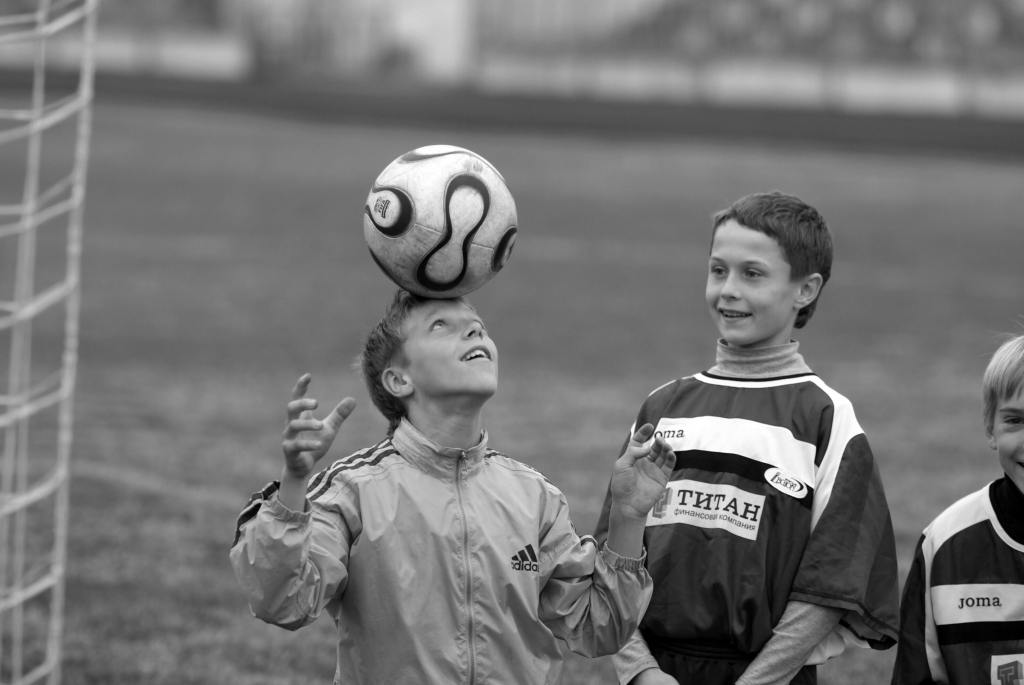





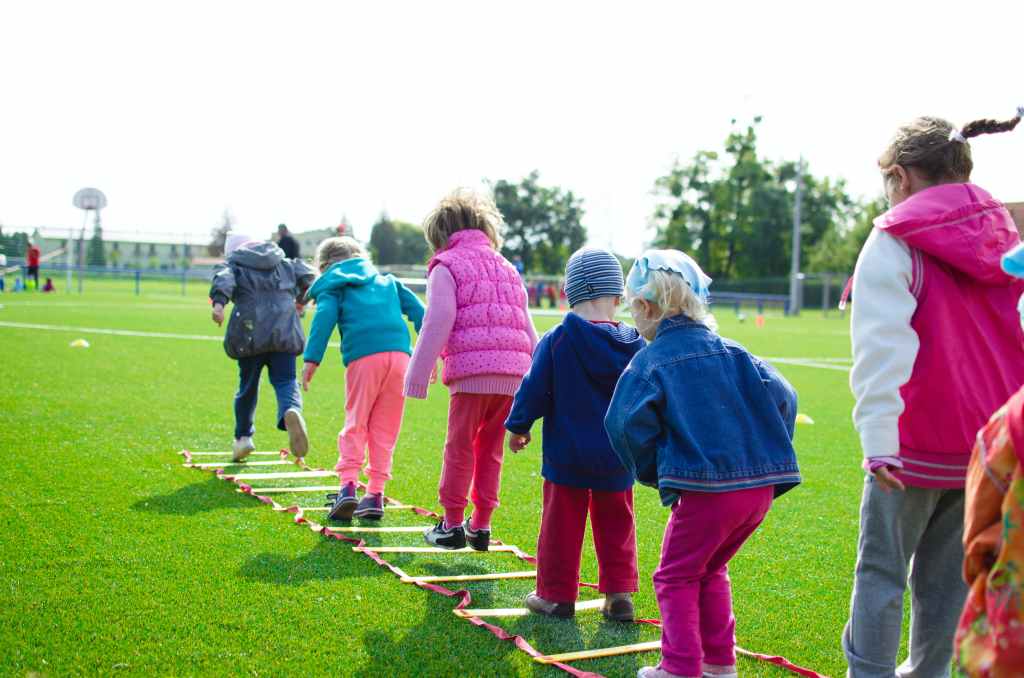





 The Next Generation Blog