
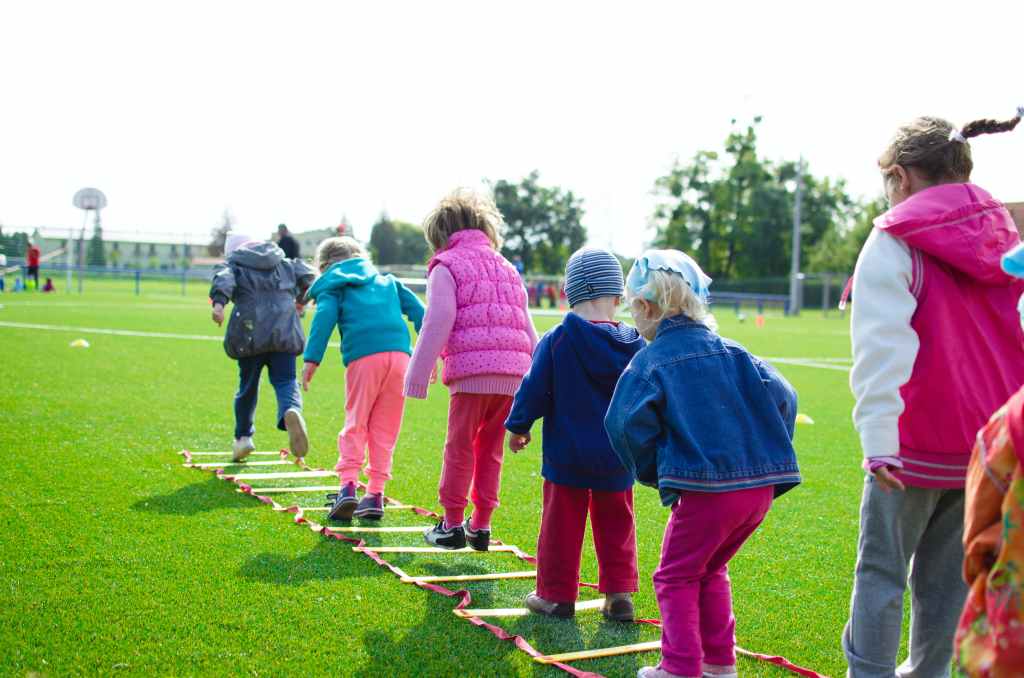
Conflict is a natural part of life, but it can be especially difficult for young people to navigate. As they develop their social and emotional skills, they are still learning how to communicate effectively, resolve their differences peacefully, and work together cooperatively. Group games can be a powerful tool for helping young people develop these skills and reduce conflict.
- Types of Group Games that Reduce Conflict
- How to Use Group Games to Reduce Conflict
- Benefits of Using Group Games to Reduce Conflict
- Examples of Group Games
- Conclusion
Types of Group Games that Reduce Conflict
There are many different types of group games that can be used to reduce conflict. Some of the most effective games include:
- Cooperative games: These games require players to work together to achieve a common goal. Examples include cooperative board games, team sports, and trust-building activities. Cooperative games help young people learn to communicate effectively, cooperate with others, and solve problems together.
- Competitive games: Competitive games can also be used to reduce conflict by teaching young people how to compete fairly and respectfully. Examples include modified competitive sports, games with multiple winners, and games that emphasise teamwork. Competitive games can help young people develop resilience, sportsmanship, and the ability to handle frustration in a healthy way.
- Social-emotional learning games: These games are designed to help young people develop social-emotional skills such as communication, cooperation, and conflict resolution. Examples include role-playing games, problem-solving games, and games that teach about emotions. Social-emotional learning games can help young people understand their own emotions and the emotions of others, communicate their needs effectively, and resolve conflict peacefully.
How to Use Group Games to Reduce Conflict
When using group games to reduce conflict, it is important to follow these tips:
- Choose the right game for the group: Consider the age, interests, and skill level of the participants when choosing a game. A game that is too challenging or too easy can be frustrating and lead to conflict.
- Set clear expectations: Explain the rules of the game and the desired behaviours before you start playing. Make sure that everyone understands what is expected of them and the consequences for breaking the rules.
- Encourage communication and cooperation: Create an environment where young people feel comfortable communicating with each other and working together. This may involve reminding them to take turns, listen to each other, and be respectful of each other’s ideas.
- Monitor the game and intervene as needed: Be on the lookout for signs of conflict and intervene to help young people resolve their differences peacefully. This may involve mediating a disagreement, reminding players of the rules, or suggesting a compromise.
- Debrief after the game: Discuss what went well and what could be improved. This is a good opportunity to reinforce the skills that young people learned during the game and to identify any areas where they need additional support.
Benefits of Using Group Games to Reduce Conflict
There are many benefits to using group games to reduce conflict among young people. Group games can help young people:
- Learn to communicate effectively: Group games require players to communicate with each other in order to achieve their goals. This helps young people develop their communication skills, including listening skills, problem-solving skills, and assertiveness skills.
- Develop cooperation and teamwork skills: Group games require players to work together and cooperate in order to succeed. This helps young people develop important teamwork skills such as collaboration, trust, and empathy.
- Learn how to resolve conflict peacefully: Group games can provide young people with opportunities to practise resolving conflict in a safe and supportive environment. This helps them develop the skills they need to resolve conflict peacefully in their everyday lives.
- Build trust and rapport with each other: Group games can help young people build trust and rapport with each other as they work together to achieve a common goal. This can lead to a more positive and supportive group environment.
- Have fun: Group games are a fun and engaging way for young people to learn and grow. When young people are having fun, they are more likely to be open to learning new skills and practising new behaviours.
Examples of Group Games
Cooperative games
- Pandemic: Players work together to stop the spread of a deadly disease.
- Forbidden Island: Players work together to collect four sacred treasures from a sinking island.
- The Mind: Players work together to play a deck of cards in ascending order without using verbal communication.
- Hanabi: Players work together to create fireworks displays by playing cards in the correct order, without being able to see their own cards.
- Ghost Stories: Players work together to defeat a variety of ghosts and demons.
- Fuse: Players work together to defuse a bomb by cutting the correct wires.
Competitive games
- Modified tag without elimination: All players are tagged out if they are tagged once, but they can be tagged back in by a teammate.
- Sharks and minnows: Players are divided into two teams: sharks and minnows. Sharks try to tag minnows, who can only be tagged if they are swimming alone.
- Musical chairs: Players circle a set of chairs, one less than the number of players. When the music stops, players rush to sit in a chair. The player left without a chair is eliminated.
- Relay races: Players are divided into teams and race to complete a series of tasks, such as running around cones or carrying objects.
- Three-legged race: Players are tied together at one leg and race to the finish line.
- Tug-of-war: Two teams compete to pull a rope across a centre line.
Social-emotional learning games
- Feelings Charades: Players act out different emotions for their teammates to guess.
- Emotional Bingo: Players listen to a story and identify the emotions that the characters are feeling.
- Conflict Resolution Skits: Players act out different conflict scenarios and practise resolving them peacefully.
- Active Listening: Players take turns listening to each other share a story and then summarising the story back to the speaker.
- I-Statements: Players practise using “I-statements” to communicate their feelings and needs.
These are just a few examples of team games that can help to reduce conflict among young people. There are many other great games available, so encourage young people to try different games and find ones that they enjoy.
Conclusion
Group games can be a powerful tool for reducing conflict among young people by promoting communication, cooperation, and problem-solving skills. Professionals who work with young people can use group games to create a more positive and supportive environment, to help young people develop important social-emotional skills, and to reduce the risk of conflict.
 The Next Generation Blog